
How to Build a Wedding Day Timeline That Keeps the Energy Right
Most couples think of the wedding day timeline as a practical document. A list of times. A sequence of events. A thing to finalize once the prettier decisions are made.
I think of it differently.
A wedding day timeline is the invisible architecture of the entire experience. It controls the pace of the morning, the emotional tone of the ceremony, the way guests move from one setting to the next, when people eat, when they exhale, and whether the party peaks exactly when it should. When the timing is right, the day feels effortless. When it is off, everyone feels it, even if they cannot quite name why.
That is why a strong wedding day schedule is never just about logistics. It is about energy.
Most couples begin by searching for a wedding timeline template or a wedding day hour by hour guide. Those can be useful as a starting point, but they are not the same as a well-built plan. A truly thoughtful timeline is customized to the people, the place, the season, the photography goals, the guest experience, and the emotional rhythm of the day itself.
We spend a great deal of time detailing every minute, but when the wedding day comes, I like to let it unfold in a relaxed manner. The day has already been designed. It should feel like something to savor, not a rigid march in five-minute increments.
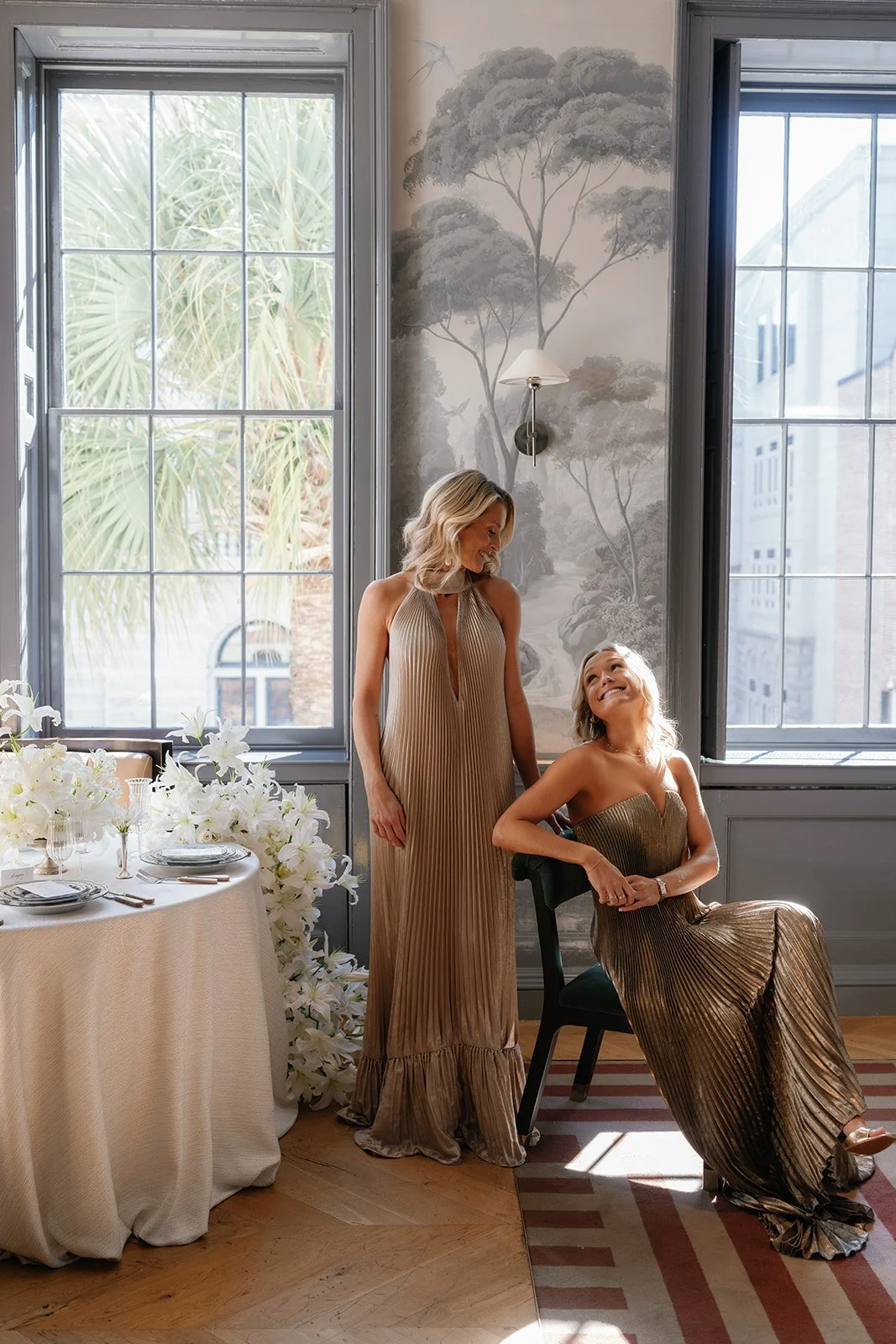
Why the Wedding Day Timeline Is So Often Underrated
Couples will spend months discussing linens, florals, menus, invitations, entertainment, and all the visual layers that make a wedding beautiful. Yet the wedding day timeline is often treated like an administrative task to solve at the very end.
That is a mistake.
The timeline affects everything. It determines whether the morning feels calm or chaotic. It determines whether guests stand too long with empty glasses, whether dinner begins while people are still buoyant and engaged, whether speeches feel moving or excessive, and whether the dance floor opens with momentum or fatigue. It even determines whether the couple has room to actually be present.
I have seen a well-built timeline save a wedding day more times than I can count, and usually it comes down to one simple thing: buffer. You build in more time than you think you need where it matters most, especially early in the day. Hair and makeup is a perfect example. If you get off track at the beginning, the entire day can start to feel rushed, reactive, and anxious.
The opposite is also true. A reception that ends just when people have not quite had enough leaves a completely different impression than one that drags on too long. You want guests calling for one more song. You want the energy to break at its peak, not after it has already started to flatten.
That is what a strong luxury wedding timeline really is. Not more formality. Not more structure for the sake of it. Just more intention.
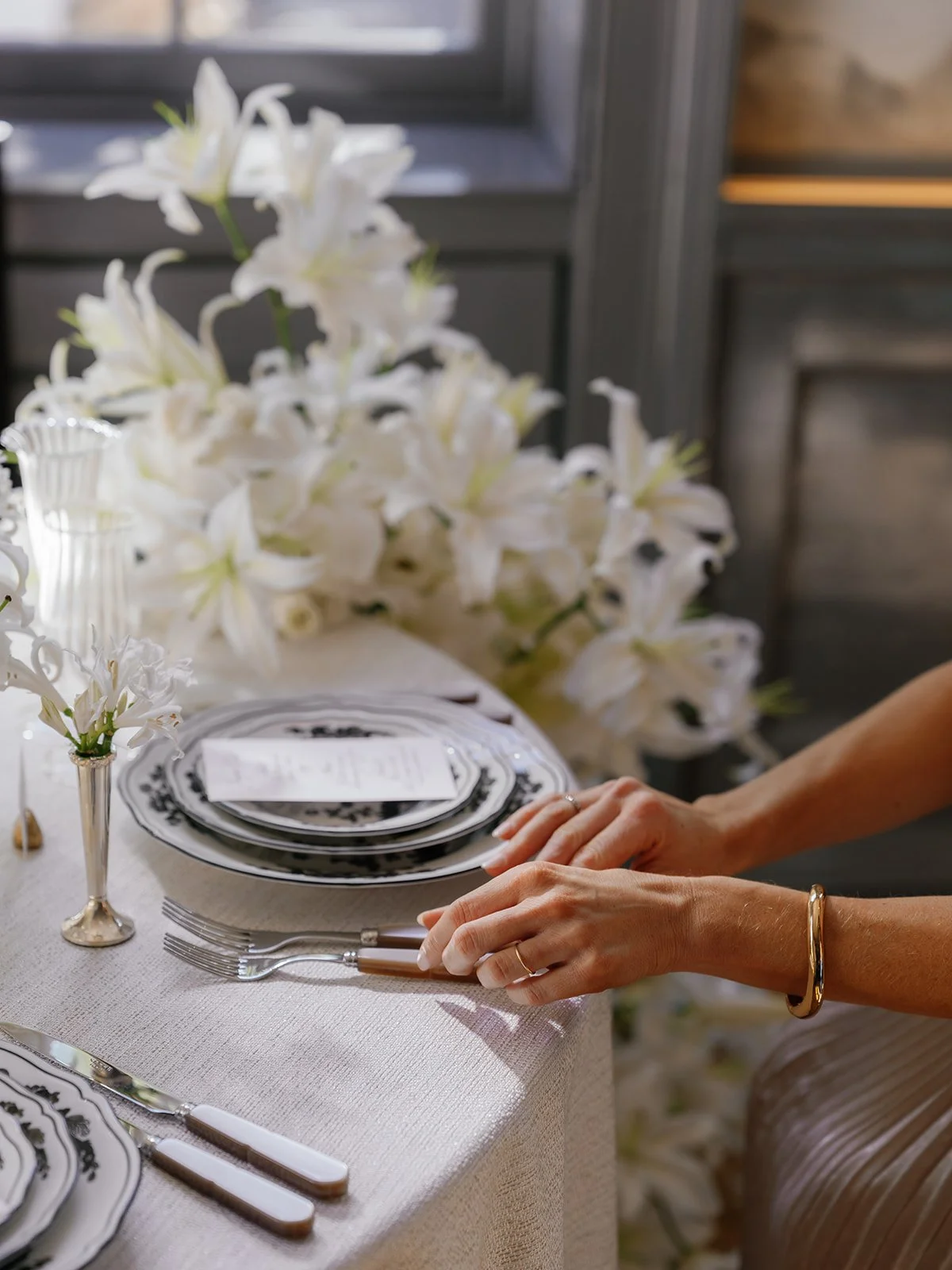
The Building Blocks of a Wedding Day Timeline
If you are wondering how to plan a wedding timeline, begin with the major phases of the day. Every celebration is different, but most wedding day flow planners are built around the same foundational blocks.
Getting ready usually takes more time than couples expect. This includes hair and makeup, steaming, dressing, personal details, champagne arriving, family filtering in and out, and all the small, human moments that make the morning feel real. This is one of the few places where I almost always add more time than clients initially think they need. Protecting the start of the day protects everything that follows.
First look and pre-ceremony photos can be a gift when they are handled well. They create breathing room later, allow for a more relaxed cocktail hour, and often give the couple one of the few private moments they will have all day. The amount of time needed depends on the size of the wedding party, whether family portraits are included before the ceremony, how far apart locations are, and the photography style.
The ceremony is usually the shortest formal part of the day, but it carries the most emotional weight. A ceremony may only last fifteen to twenty minutes, yet the lead-up to it and transition out of it matter just as much. Guest arrival, musicians beginning, ushers guiding, transportation timing, and clear directional flow all influence whether the ceremony feels elegant and seamless or slightly unsettled.
Cocktail hour should feel lively, not long. People are always tempted to allocate more time than is needed here, but too much cocktail hour can flatten momentum before dinner. The ideal length often falls around sixty minutes, sometimes a touch shorter, but not so long that guests begin wondering when they will be seated. The point is to create social energy and anticipation, not a lull.
Reception entrance and first dances should land with confidence. This is the first real shift in energy after the ceremony and cocktail hour, and it sets the tone for the rest of the evening. Depending on the format, this sequence may happen immediately upon guests being seated or after a welcome toast. Either way, it should feel crisp and well paced.
Dinner service deserves more protection than people realize. Hungry guests are not gracious guests. A late dinner is one of the quickest ways to lose the room. Ideally, once guests are seated, the evening should move with purpose into welcoming remarks and meal service. The meal itself should feel generous but not sluggish.
Toasts and speeches need restraint. This is one of the most common places where wedding reception timeline problems begin. Too many speeches, too many speakers, or toasts placed at awkward moments can interrupt the meal, strain the kitchen, and break the room’s rhythm. I am a big believer in limiting wedding night toasts. Ideally, the parents of the bride speak, and the rest are moved to the rehearsal dinner or welcome party.
Dancing, late-night food, and the exit should build naturally from dinner rather than arrive abruptly. When done well, the dance floor feels earned. It is the high point of the evening, and it should arrive before the room has gone sleepy. Late-night touches can extend that high without making the night feel over-programmed.
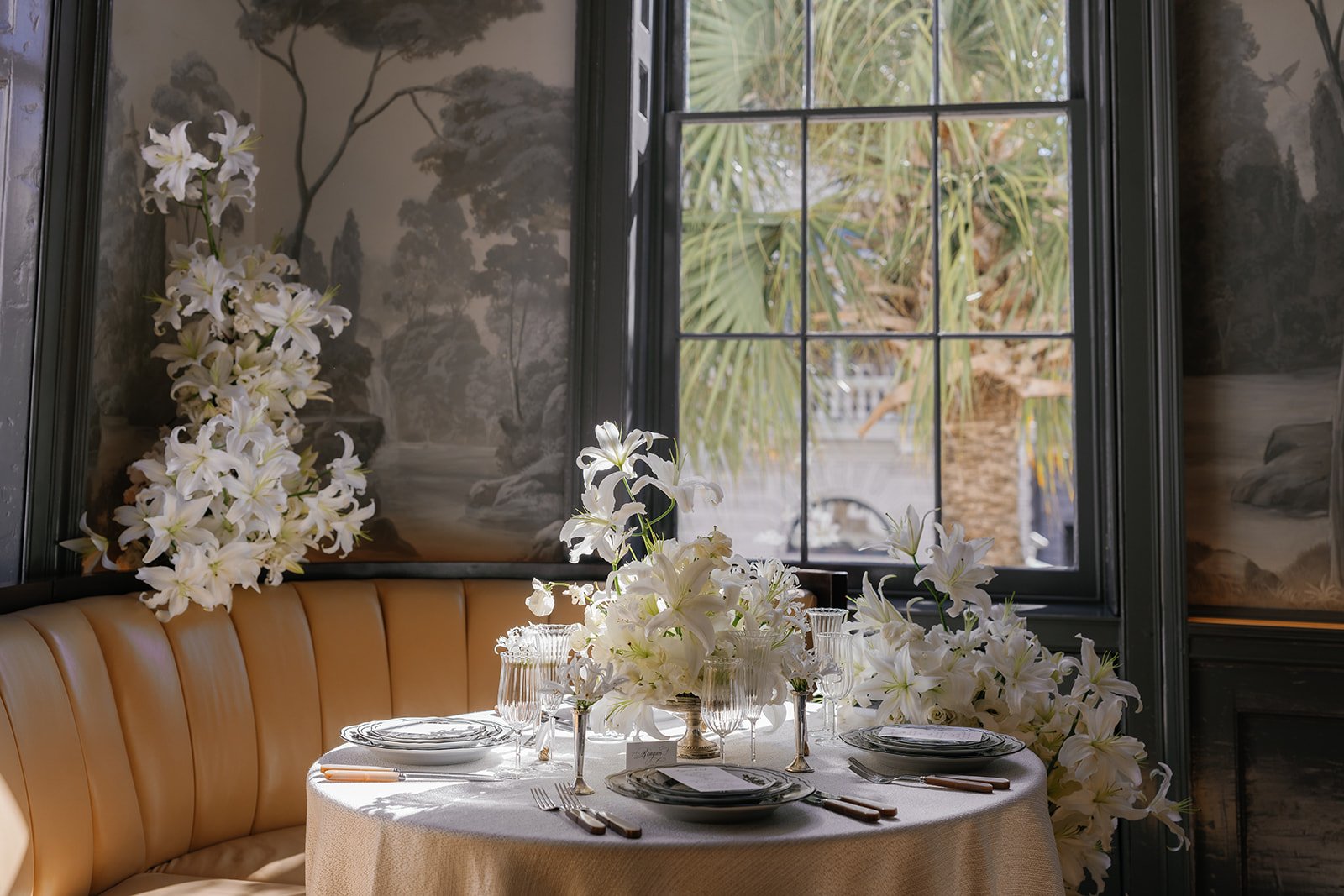
A Sample Timeline for a Saturday Evening Wedding
Every celebration is different, but if you are building a wedding day timeline for a classic Saturday evening event with a 5:30 p.m. ceremony, this is the kind of flow I often find works beautifully:
5:00 p.m. - Prelude begins and guests arrive for the ceremony
5:30 p.m. - Ceremony begins
5:50 p.m. - Guests transition to the reception venue
6:00 p.m. - Cocktail hour begins
6:00-6:45 - p.m. Post-ceremony photos take place nearby
7:00 p.m. - Guests are invited to be seated for dinner
7:09 p.m. - Sunset photos, ideally while guests are naturally settling in
7:15 p.m. - Welcome toast
7:20 p.m. - Dinner is served
8:20-8:30 p.m. - Dinner concludes and cake cutting can take place
8:30 p.m. - Band takes the stage and dancing begins
11:00-11:30 p.m. - Reception concludes, depending on venue and bar policies
The most important thing here is not the exact times. It is the spacing. There is room for transition. There is enough time for photos without stalling the guest experience. Dinner begins while the room still feels lifted. Dancing starts before the energy dips.
A wedding day hour by hour plan should always read like a living rhythm, not a robotic checklist.
A Different Energy for a Daytime or Brunch Wedding
A daytime wedding can be incredibly chic, but its rhythm is entirely different.
These celebrations peak earlier. They often feel brighter, quicker, and slightly less forgiving from a production standpoint. If the ceremony is late morning or early afternoon, that means hair and makeup may begin at 6:00 a.m. or earlier. Vendor load-in also starts earlier, which can affect what is realistic from a design and installation perspective, especially if venue access is limited or there is no set-up window the day before.
This does not make a daytime wedding less impactful. It simply means the timeline has to account for the different shape of the day.
A brunch or luncheon celebration works beautifully when you lean into its natural strengths. Fresh light. A more relaxed social tone. A charming earlier finish that still feels full. But it has to be planned accordingly. You cannot simply compress an evening wedding day schedule and expect the same emotional result.
Common Timeline Mistakes and How to Avoid Them
The first mistake is not building in enough buffer. Couples often worry that adding cushion will make the day feel too long, but the opposite is usually true. Buffer creates calm. It allows the team to absorb the inevitable slippage without passing that stress onto the couple.
The second is stacking too many formal moments back to back. Ceremony, family photos, grand entrance, first dance, welcome remarks, multiple toasts, cake cutting - without relief - can make the evening feel like a performance rather than a celebration. Guests need variation. So does the couple.
Another common issue is starting dinner too late. By the time the ceremony ends, guests are ready to settle in, enjoy a drink, and then eat. If they are left waiting too long, the room begins to drift. Energy becomes harder to recover once hunger has set in.
Toasts during active dinner service are another problem. They interrupt the meal, interfere with kitchen pacing, and divide attention in a way that never feels particularly gracious. If speeches are happening, they should be intentionally placed so the meal still feels like a meal.
Travel time is frequently underestimated, especially when there are multiple venues, golf cart movements, shuttles, difficult access points, or a property with more distance between settings than people realize. Ten minutes on paper rarely feels like ten minutes in formalwear, heels, and with a hundred-plus guests moving all at once.
And then there is the mistake I see most often: too many toasts on the wedding night. It is understandable. People are loved. People want to speak. But the evening benefits from editing. Keep the wedding night focused. Move additional speeches to the rehearsal dinner or welcome party where there is more room for them to breathe.
Finally, couples forget to schedule time to eat. Not stand near their plates. Not take three bites while being pulled into conversation. Actually eat. Even ten quiet minutes can change the way the rest of the evening feels.
How to Keep the Energy Arc Right
A strong wedding day timeline does not just organize events. It shapes an emotional arc.
The ceremony is the heart. Cocktail hour is the release. Dinner is the exhale. Dancing is the peak. The ending should feel like a celebration punctuated at exactly the right moment, not a slow fade.
One of the best rules I know is to move people just when they have not had enough. That is what keeps momentum alive. Let them enjoy one setting, one mood, one chapter, and then gently reveal the next. A new room. A new sound. Candlelight now glowing where sunlight once did. A band where there had been strings. Dinner giving way to movement.
When guests are introduced to every part of the evening at once - ceremony, dinner, dancing all sitting in full view from the beginning - it can be much harder to preserve surprise and progression. Thoughtful transitions matter. So does pacing the reveal.
This is where timing, music, lighting, and layout all begin working together. It is not only about what happens. It is about when it happens, and what the room feels like at that exact moment.
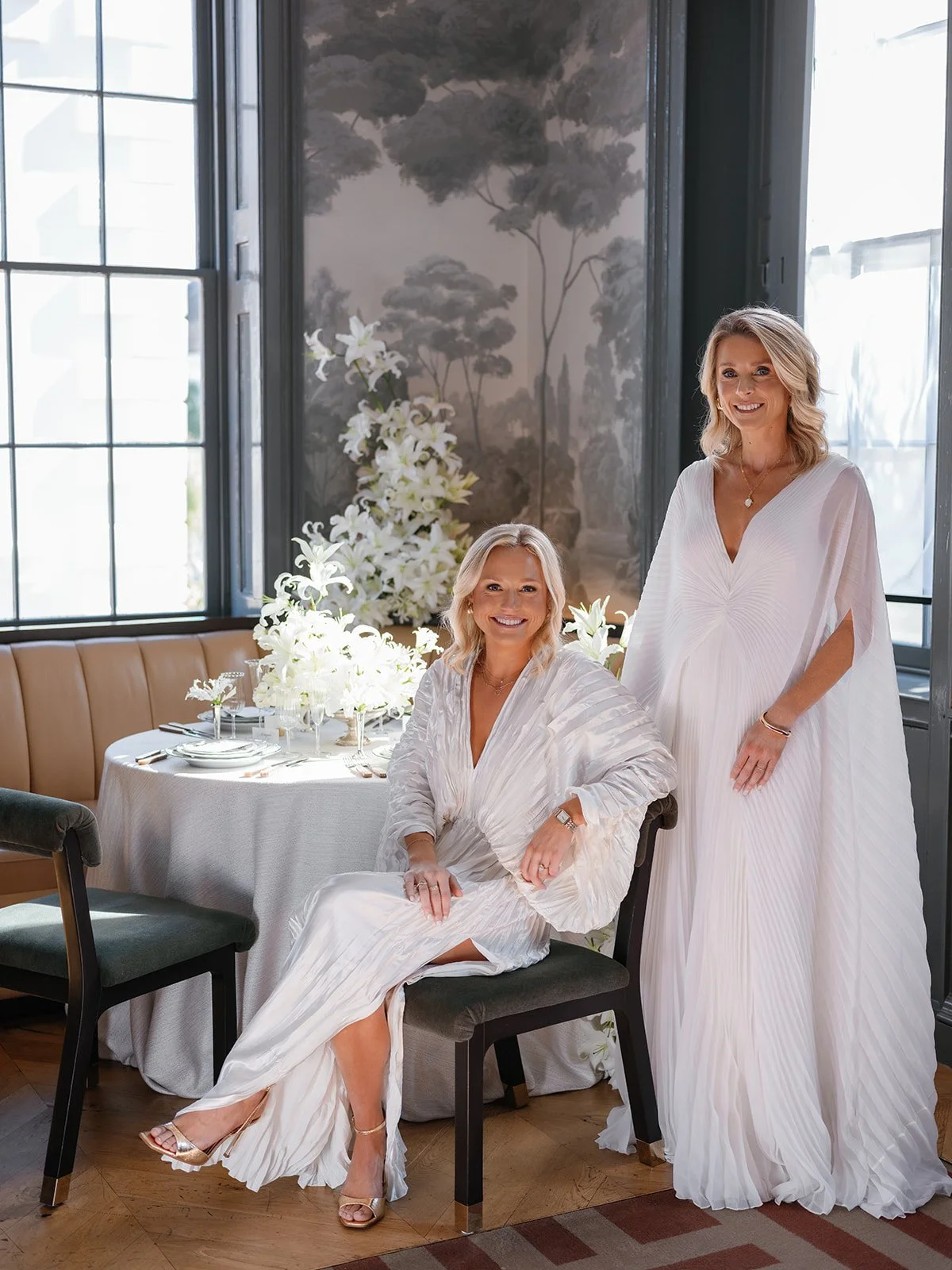
Why Your Planner Owns the Timeline
The timeline belongs to the planner because it touches everything.
It informs photography, transportation, catering, band cues, floral access, family movement, beauty schedules, rental installation, venue staffing, and more. It is the document that quietly coordinates every moving part so the couple never has to.
That does not mean the couple is not part of building it. Of course they are. Their priorities shape the day. Their people shape the day. Their values shape the day. But on the wedding day itself, they should not be holding the plan in their heads.
The way we keep a day on track without making a couple feel rushed is simple: we build in buffer, we overcommunicate expectations with vendors, and we keep communication open all day long so the team is fluid and prepared for whatever tiny pivot may come. Calm is not an accident. It is created.
If you have read our thoughts on The Secret to a Wedding That Feels Effortless, you already know that ease is usually the result of deep preparation. The same is true here. And if you appreciate the unseen layers that shape a guest experience, The Details That No One Sees (But Everyone Feels) sits right beside this conversation.
In Closing
A wedding day timeline should never feel like a constraint. It should feel like support.
When it is built well, it protects the atmosphere, the guest experience, and the emotional pace of the celebration. It gives the couple room to be present. It gives vendors room to perform well. It lets the night build naturally toward the kind of ending people talk about long after the last song.
If you are beginning to think through your own wedding day timeline, our team at Reagan Events would be honored to guide the process through our wedding planning services. And when you are ready for a more tailored conversation, you can contact us here.
If you’d like to talk with us about planning your next event, click here.
Want more behind-the-scenes stories, trends, and inspiration?
Subscribe to our newsletter for inspiration, updates, and expert advice.
Follow us on Instagram and TikTok for behind-the-scenes moments, trending ideas, and so much more.
Tune in to our Wine and Dine Me Podcast on Apple Podcasts and Spotify, where we explore all things weddings, life, and business.
FAQs
How long should a wedding reception last?
Most receptions last about four to five hours from the start of cocktail hour to the final song. The ideal length depends on the format of the evening, the energy of your guests, venue restrictions, and whether there is an after-party. The goal is not to make it as long as possible. The goal is to end while the energy still feels full.
When should we schedule our first look?
A first look is often best scheduled after everyone is fully dressed and before family portraits begin. This usually creates more breathing room later and allows cocktail hour to feel more relaxed. The right timing depends on light, travel, the size of your family, and how much photography you want completed before the ceremony.
How much buffer time should we build into the timeline?
More than you think, especially in the morning. Hair and makeup, getting dressed, transportation, and guest transitions all benefit from cushion. Even ten to fifteen extra minutes in the right places can keep the entire day from feeling rushed.
Should toasts happen during dinner or after?
Generally, it is better to avoid placing too many toasts during active meal service. It interrupts the flow of dinner and can affect kitchen timing. A small number of thoughtfully placed remarks can work, but the evening is usually stronger when speeches are edited down and additional toasts are moved to another event earlier in the weekend.
What should a wedding timeline template actually include?
A solid wedding timeline template should include vendor arrival times, beauty schedules, dressing, photography, transportation, ceremony timing, cocktail hour, guest seating, dinner service, toasts, dances, cake cutting, late-night food, exit cues, and contingency plans. It should also account for transitions and buffer, not just major moments.