
Welcome Party Ideas for a Destination Wedding Weekend
A destination wedding weekend begins the moment your guests arrive.
It’s when guests shake off the travel day and step into the first event that tells them exactly what kind of weekend they are about to experience. Done well, a welcome party creates that shift almost instantly. People stop thinking about flight delays, room keys, and whether they packed the right shoes. They start relaxing. They start connecting. They start feeling like they are part of something considered.
That is why we almost always recommend a welcome party for a destination wedding.
Of all the events across a wedding weekend, this one carries a particular kind of weight. It sets the tone without trying too hard. It lets guests exhale. It gives families and friend groups a chance to meet before the formality of the wedding day. Most importantly, it gives the couple the chance to host with warmth before the pace picks up.
The strongest welcome party ideas for a destination wedding do not feel copied from someone else’s itinerary. They reflect the couple. They reflect the destination. They reflect the rhythm the entire weekend is meant to have.
Why a Welcome Party Matters More Than You Think
Guests feel the difference between a weekend that has been scheduled and one that has been hosted.
A welcome party does more than fill a slot on the itinerary. It creates a shared starting point. For guests who have traveled in from different cities, different time zones, and often different chapters of the couple’s life, that matters. It softens the social edges early. People meet over a drink instead of across a ceremony aisle. They start recognizing names, faces, and family dynamics before the wedding day ever begins.
That ease changes everything.
It also gives the couple something they rarely get enough of on the wedding day itself - unhurried time with their guests. Not a rushed greeting in the middle of a reception. Not a quick exchange between formalities. Real conversation. Real presence. A few calm hours where the pressure is lower and the stakes feel lighter.
For a multi-day celebration, this first gathering also establishes the weekend’s rhythm. If the welcome event feels relaxed, considered, and easy to move through, guests carry that feeling with them. They trust the flow. They settle in faster. The rest of the weekend benefits.
This is one of the reasons we think so carefully about the full guest experience in our destination work. If that is part of what you are building, our approach to Designing a Seamless Guest Journey in Multi-Day Destination Weddings offers a deeper look at how those moments connect.
Choosing the Right Format for Your Welcome Party
The right format depends on the destination, the guest count, the arrival pattern, and the personality of the couple. There is no single correct version of a destination wedding welcome event. The goal is not to choose the most elaborate option. It is to choose the one that opens the weekend in the right tone.
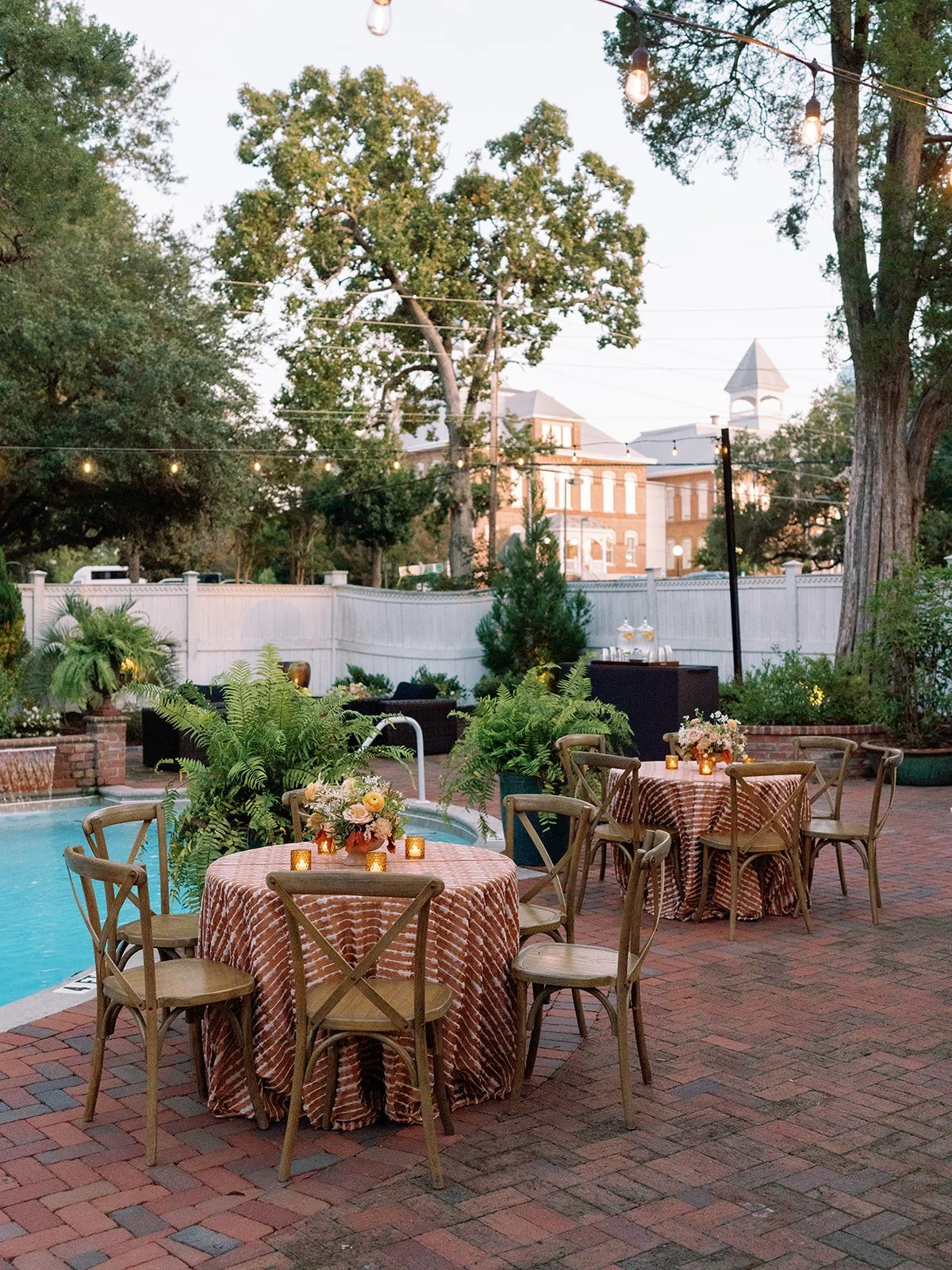
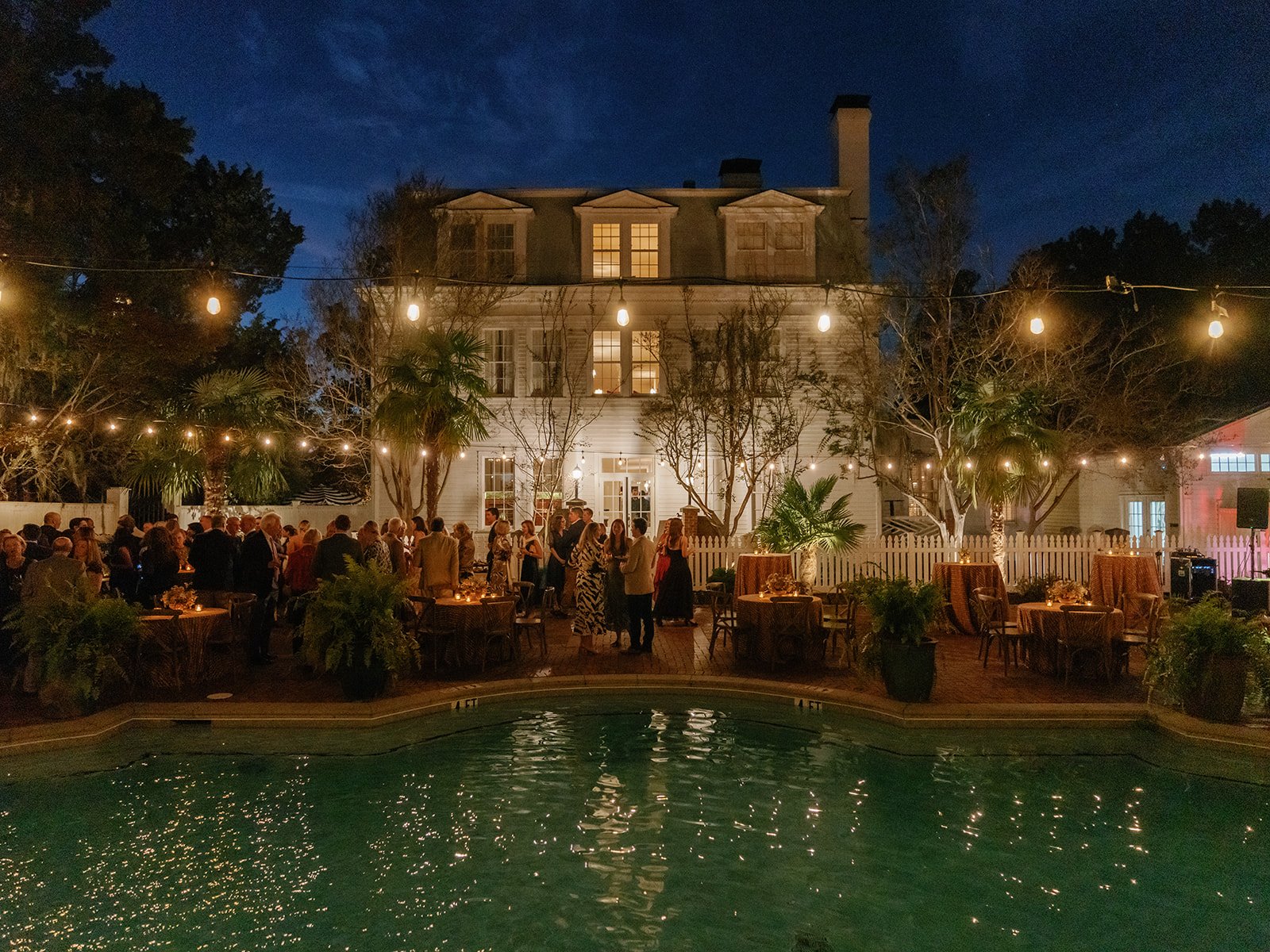
A casual cocktail reception is often the easiest and most natural fit. It works especially well when guests are arriving at slightly different times or when the destination already offers a beautiful setting that does not need much added to it. A rooftop at sunset, a hotel terrace, a poolside bar, a waterfront restaurant - these all allow the evening to feel social and stylish without forcing too much structure onto it. For many couples, this is the ideal casual welcome party wedding because it feels polished without becoming formal.
A seated welcome dinner creates a different kind of atmosphere. It is more intimate, more anchored, and often better suited to smaller guest counts or a guest list that already knows each other fairly well. A seated dinner asks people to stay put a little longer, which can be wonderful when the setting is beautiful and the evening is meant to feel slower.
An activity-based gathering can work beautifully when the destination itself is a large part of the weekend’s draw. A wine tasting, a cooking class, a guided market tour, a private boat outing, or a thoughtfully planned local experience can give guests something to do while still functioning as the welcome event. This format tends to work best when it feels natural to the place, not inserted just to make the itinerary more interesting.
An open-house style welcome event is one of the smartest options for couples with complicated travel schedules. Guests can arrive during a larger window, settle in at their own pace, and avoid the pressure of making a single hard start time after a day in transit. It is lower pressure, easier on guests, and often more elegant than people expect.
When couples ask us how to plan a wedding welcome party, this is usually where we begin - not with decor, but with format. The structure determines so much of how the evening will feel.
Welcome Party Ideas by Destination Style
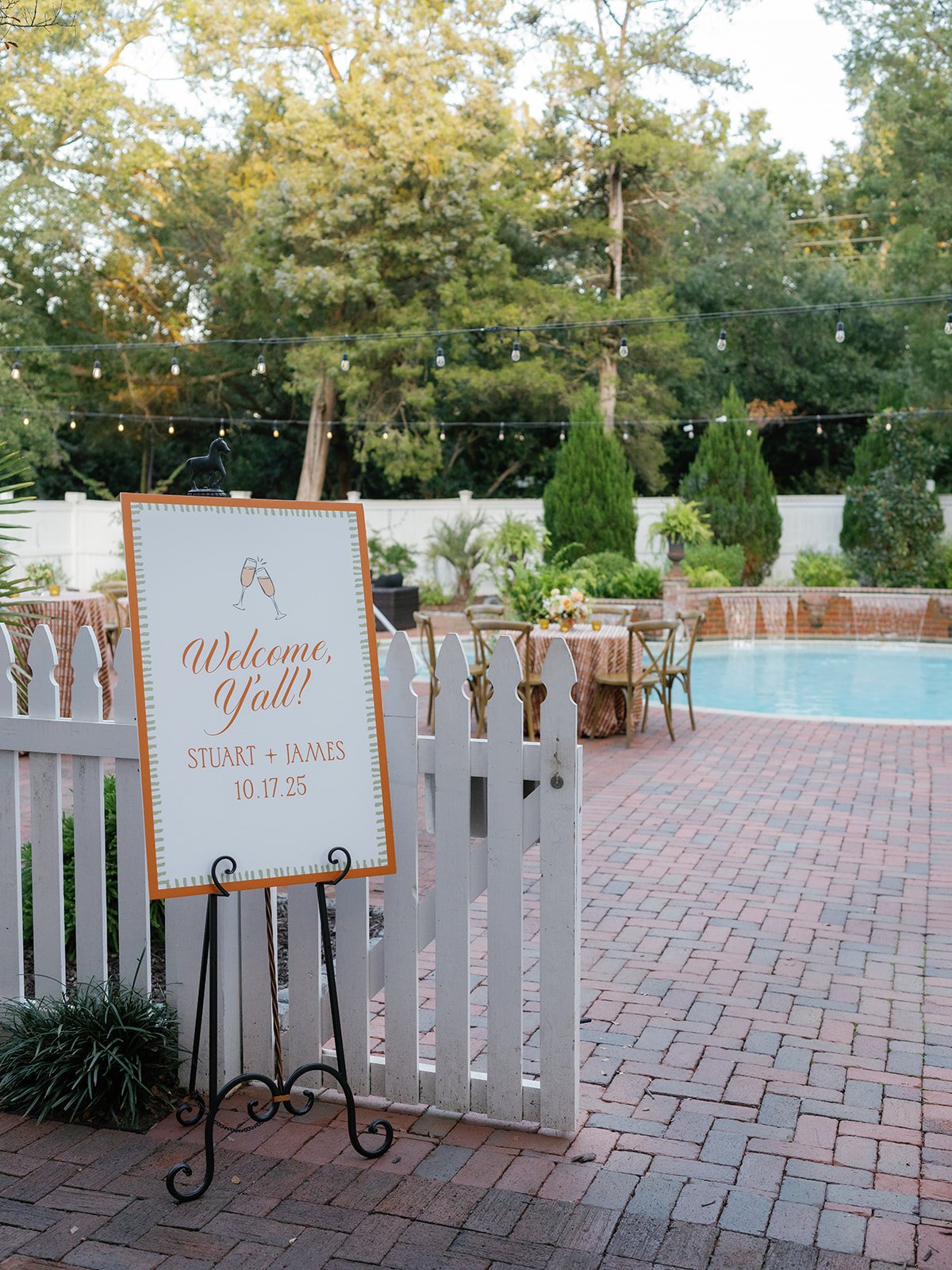
The best welcome dinner ideas for a wedding weekend feel connected to place. Guests should not feel like they could be anywhere. It is an introduction to the destination that has been so carefully selected.
In a coastal setting like Charleston or Santa Barbara, the mood is often best when it leans into movement, air, and light. A harbor-side cocktail party, a waterfront restaurant buyout, an oyster roast with restraint, or a sunset boat cruise can all work beautifully. The strongest version is usually the one that lets the setting do its job without overcomplicating it.
In Italy or wine country, the welcome event often benefits from a little more depth and pacing. A vineyard dinner under the stars, aperitivo in a piazza, or a private villa reception with regional food and wine has a natural sense of place built into it. Guests are not just being welcomed to the wedding weekend. They are being welcomed into the destination itself.
In the mountains or the countryside, warmth becomes the defining element. A farm dinner, a winery gathering with live music, or a bonfire evening with excellent food and thoughtful drinks can feel generous without feeling staged. These settings tend to respond well to texture, candlelight, and a pace that gives people room to settle into conversation.
In an urban destination, the venue itself often carries more of the visual impact. A rooftop cocktail party, a landmark private dining room, or an after-hours gallery event can create an opening night that feels sharp, social, and distinctly of the city. Here, restraint matters. The setting is often enough.
Some of the most memorable welcome parties are not memorable because they are the most expensive. They stay with people because the choices were clear. The food made sense for the place. The music was right. The drinks were cold. The room was easy to move through. Nothing felt crowded, confusing, or overworked.
That is usually what guests remember anyway.
Timing and Logistics: When and How Long
Most welcome parties take place the evening before the wedding, and in most cases that timing is exactly right.
For a Saturday wedding, Friday evening is the natural choice. For a Friday wedding, Thursday evening usually makes the most sense. It gives the weekend a defined beginning and helps guests understand when the hosted experience truly starts.
As for duration, two to three hours is usually enough. Longer than that, and the evening can start to feel like too much on the front end of the weekend. Shorter than that, and people barely have time to arrive, connect, and relax before it is over. A welcome event should feel complete, but it should still leave a little room in the evening.
Timing should always account for real travel conditions, not ideal ones. If most guests are flying in that day, the start time needs to reflect that. A welcome party that begins too early can create unnecessary stress, and stress is the opposite of what this event is supposed to accomplish. The timing may also allow for people to explore and dine on their own, if serving light bites or desserts rather than a full dinner is part of the plan.
Transportation should also be resolved clearly. If the venue is not walkable from the hotel, then the transportation plan should be obvious and easy. Guests should not be standing in formal clothes trying to decode a shuttle timeline or guess which rideshare drop-off is correct.
This is also where communication matters. The details should be consistent across the wedding website, printed itinerary, welcome bag materials, and any pre-arrival guest communication. Time, location, dress code, and transportation instructions should feel impossible to misunderstand. Clarity is part of hospitality.
If you are planning for guests who travel often and notice every loose end, our post on Planning Events for the Well-Traveled Guest speaks directly to that level of expectation.
Guest List and Etiquette: Who Gets Invited
When couples ask about welcome party etiquette for a destination wedding, the answer is usually straightforward.
If guests are traveling for the wedding, they should be invited to the welcome party.
For destination weddings, that typically means the full guest list. The event is not simply an optional extra. It is often the first hosted expression of the weekend, and excluding traveling guests from that first gathering can feel noticeable in a way couples do not always anticipate.
This also means plus-ones should be treated thoughtfully and consistently. If someone is invited to the wedding with a guest, that guest should generally be included in the welcome event as well. The same goes for children, depending on how the weekend is being structured overall. The key is not to create a separate layer of confusion around who belongs where.
Late arrivals are usually best handled with flexibility rather than overcorrection. If several guests are landing later in the evening, that may be a reason to choose a cocktail-style format or a more open arrival window where guests can arrive on a flow, not a reason to overcomplicate the schedule.
Good wedding welcome party planning makes guests feel included early. That is part of what makes the entire weekend feel more gracious.
Design and Details: Setting the Right Tone
A welcome party should feel related to the wedding, but never like a preview of it.
This is not where everything needs to happen. It is where the tone begins.
We usually think about welcome party design in terms of atmosphere first. The lighting should flatter the room and the people in it. The music should be lively and support conversation, not compete with it. The food should feel natural to the setting. The bar should move quickly. The room should encourage interaction rather than force it. When those pieces are right, the event already feels considered.
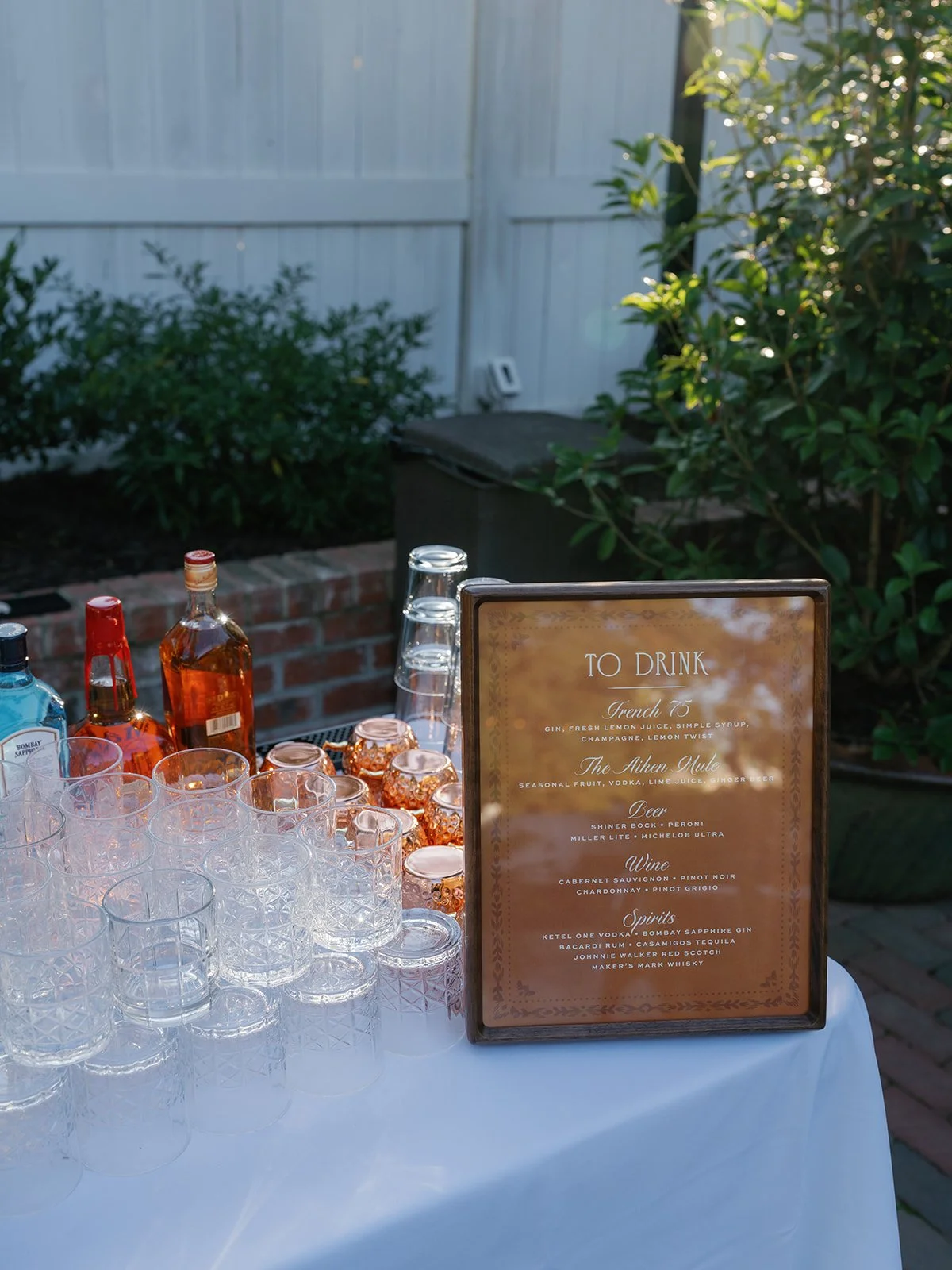
This is also where a few specific details can go a long way. Signature drinks. Monogrammed napkins. Regional dishes that actually belong in that destination. A dress code that feels relaxed enough for the first night but still connected to the weekend’s overall point of view. These choices help guests understand the tone without announcing it too loudly.
The best welcome party ideas for a destination wedding give guests a sense of what is ahead without giving everything away. The wedding day should still hold something back. The welcome event should feel like an elegant first chapter, not the entire story at once.
If there is one design principle we return to often, it is this: warmth matters more than spectacle. People remember how an evening felt. They remember whether it was easy to enter, easy to enjoy, and easy to stay in.
Budgeting for a Welcome Party
A welcome party deserves a real place in the budget because it does real work across the weekend.
That does not mean it needs to be oversized.
Some of the best destination wedding welcome events are comparatively simple. They are just well judged. The venue has a great atmosphere. The food is strong and has a sense of place. The drinks are handled properly. The timing makes sense. Guests feel taken care of. That combination will always be more effective than a welcome party that tries to impress through volume alone.
If couples are deciding where to spend, we usually suggest prioritizing what the guest will feel most directly. Good food and drink. A setting with natural character. Comfortable flow. Lighting. Transportation, if it is needed. Those are worthwhile investments because they shape the experience in a real way.
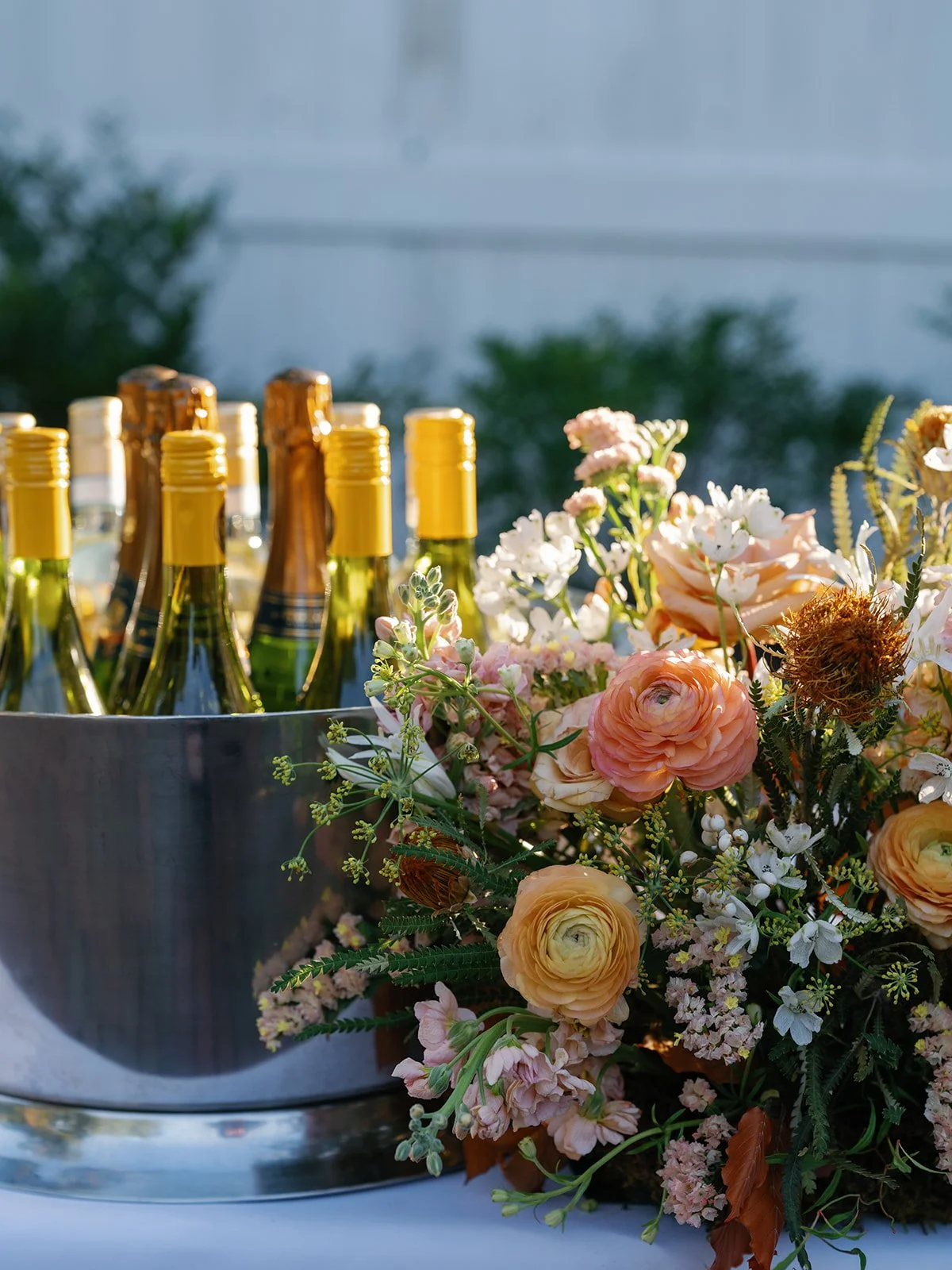
This is often a place to save on things that do not meaningfully change the night. Extensive florals are rarely necessary. Large-scale entertainment is not always needed. Overproduction can work against the kind of ease this event is meant to create.
A welcome party should support the wedding weekend, not compete with it. When the budget reflects that, the event usually lands exactly as it should.
To see how we think about destination celebrations more broadly, you can explore our destination wedding services or visit theReagan Events homepage.
The Welcome Party Sets the Weekend in Motion
The welcome party is the moment your guests stop arriving and start belonging.
It creates the first shared memory of the weekend. It turns a travel schedule into a celebration. It gives the couple room to host with warmth before the ceremony and reception take over the pace of things. Most of all, it signals that the guest experience has been thought through from the very beginning.
That is why we see it as more than a nice addition. It is one of the clearest opportunities to shape how the entire weekend feels.
If you’d like to talk with us about planning your next event, click here.
Want more behind-the-scenes stories, trends, and inspiration?
Subscribe to our newsletter for inspiration, updates, and expert advice.
Follow us on Instagram and TikTok for behind-the-scenes moments, trending ideas, and so much more.
Tune in to our Wine and Dine Me Podcast on Apple Podcasts and Spotify, where we explore all things weddings, life, and business.
FAQs
Who pays for the welcome party at a destination wedding?
It depends. If the groom’s family hosts a rehearsal dinner prior, they may also pay for the welcome party, split the cost of the welcome party, or the bride’s family may pay for the welcome party separately. For destination weddings, it is usually treated as part of the larger hosted weekend rather than a separate optional event.
How long should a wedding welcome party last?
Two to three hours is the usual sweet spot. It gives guests enough time to arrive, connect, eat, and relax without asking too much of the first evening.
Do we need a formal invitation for the welcome party?
Not always, although we recommend it. Many couples include the details on the wedding website, in the invitation suite, or in the printed itinerary. The important part is that the information is clear and consistent everywhere guests will look.
Can the welcome party be at the same venue as the wedding?
Yes, as long as it feels distinct from the wedding day itself. A different setting, a different time of day, or a different format can help it feel like its own event instead of a repetition.
What is the best format for a casual welcome party wedding?
A cocktail-style event or open-house format is often the strongest choice. Both allow for flexibility, easy conversation, and a more relaxed start to the weekend.