
Destination Wedding Etiquette: What Couples and Guests Should Know
When guests pack a suitcase for your wedding, the invitation becomes more than a date on a calendar. They are taking time away from work, booking flights, arranging childcare, choosing attire for more than one event, and stepping into a place that may be unfamiliar to them.
The best destination weddings feel generous, clear, and beautifully paced. Guests know where to be. They understand what is hosted. They have room to enjoy the destination without feeling overscheduled. The couple feels celebrated instead of pulled into logistics before the welcome party begins.
At Reagan Events, we see etiquette as an extension of hospitality. It is not about stiff rules or outdated formality. It is about making people feel considered. For couples planning a destination wedding, especially a multi-day celebration in Charleston, Kiawah, Italy, or another meaningful destination, etiquette becomes part of the guest experience.

Quick Answer: What is proper etiquette for a destination wedding?
Proper destination wedding etiquette begins with clarity. Couples should communicate travel expectations early, host the events they are inviting guests to attend, provide transportation when guests are moving between hosted locations, and make the weekend easy to navigate. Guests, in return, should RSVP promptly, book travel thoughtfully, respect the itinerary, and arrive with flexibility and gratitude.
The entire exchange should feel balanced. The couple is asking guests to make an effort, and good etiquette protects both sides.
Destination wedding etiquette begins with clear hosting
The most common questions around destination wedding etiquette are usually financial. Who pays for the welcome party? Are guests responsible for their hotel rooms? Should the couple cover transportation? What about optional excursions?
The cleanest answer is this: if you are formally hosting it as part of the wedding weekend, you should expect to pay for it.
For the couple, this typically includes the welcome party, ceremony, reception, farewell brunch, and any other event presented as part of the official wedding itinerary, along with the food, beverage, entertainment, staffing, decor, rentals, and production behind them.
Transportation is also part of the hosting experience. If guests are staying at one property and the wedding takes place 30 minutes away, group transportation should be arranged. If a welcome party is hosted at a restaurant that is not walkable from the hotel, shuttles or car service should be considered. Guests should not be left refreshing rideshare apps in evening wear, wondering if they will make it to the ceremony on time.
This is where planning becomes service. Transportation, signage, timing, and communication may not be the most photographed parts of the weekend, but they are often what guests feel most. We explore this further in Designing a Seamless Guest Journey in Multi-Day Destination Weddings, because guest movement is one of the quiet details that separates a lovely wedding from a truly well-produced one.
What guests are usually responsible for
Guests are typically responsible for their own travel to and from the destination, their accommodations, and any meals or activities outside of hosted events. If there is a free afternoon between the welcome party and the wedding ceremony, guests should expect to feed and entertain themselves during that time.
That said, the couple should make this easy. A thoughtful wedding website can include hotel blocks, airport information, car service recommendations, restaurants, spa appointments, golf, shopping, tours, and things to do. This gives guests independence without leaving them unsupported.
For an Italy destination wedding, this becomes even more important. Guests may be navigating language differences, unfamiliar transportation, passports, train schedules, or regional customs. A well-prepared guest is a calmer guest.
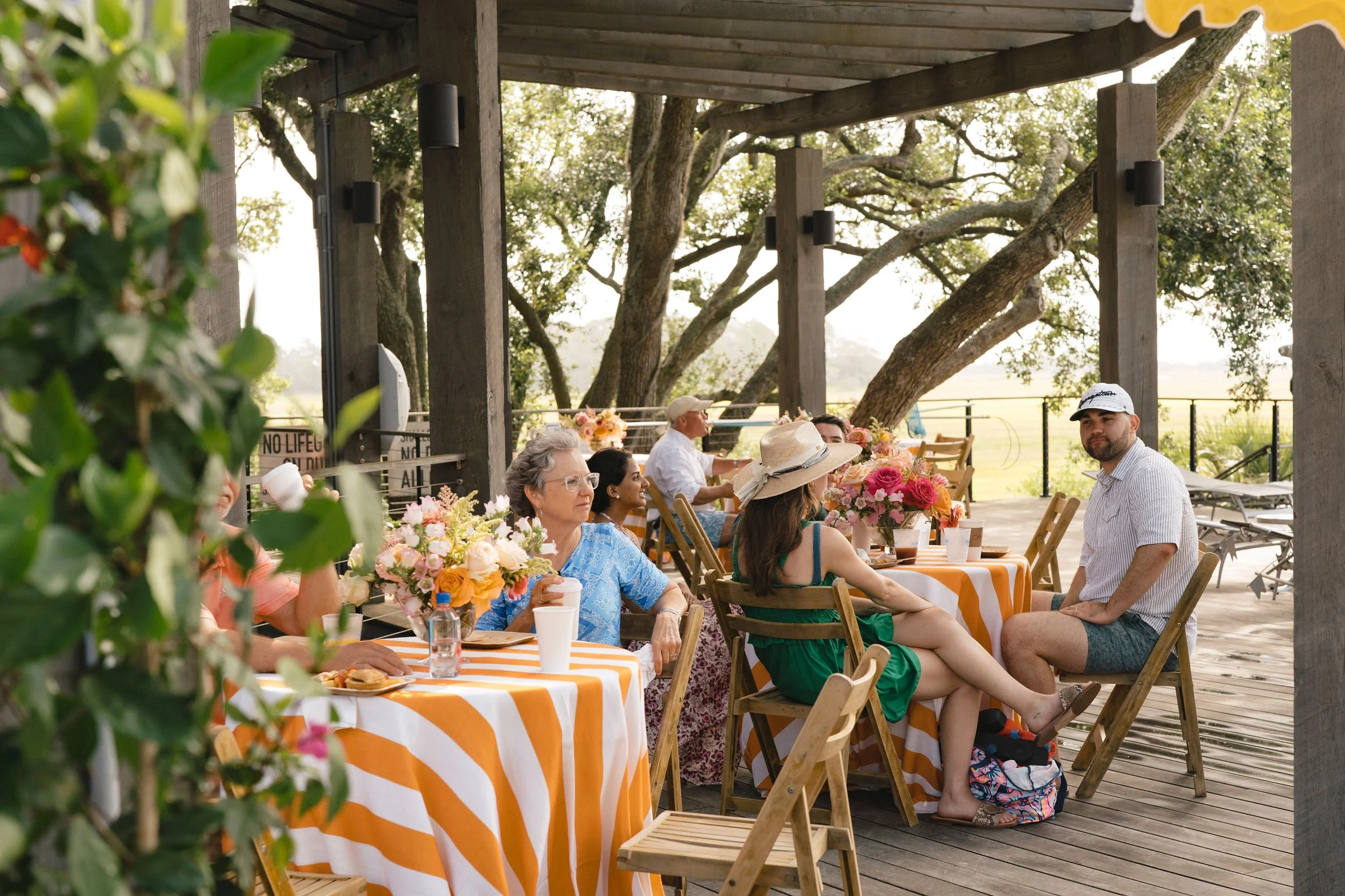
The grey areas: accommodations, excursions, and wedding party expenses
Some expenses are less obvious.
Traditionally, guests pay for their own hotel rooms. However, some couples choose to cover accommodations for immediate family, the wedding party, or a select group of guests as a gesture of generosity. There is nothing wrong with this, but it should be handled privately and consistently.
The same applies to excursions. A private boat day, wine tasting, golf outing, or beach afternoon can be a beautiful addition to a destination wedding weekend, but the way it is presented matters. If it appears on the official itinerary as a wedding event, guests will likely assume it is hosted. If it is optional and self-funded, say that clearly and graciously.
Wedding party expenses deserve special care. Bridesmaids and groomsmen are often already investing in attire, travel, lodging, gifts, and time away. Couples do not have to cover every expense, but they should be mindful of the full financial picture.
Send destination wedding information earlier than you think
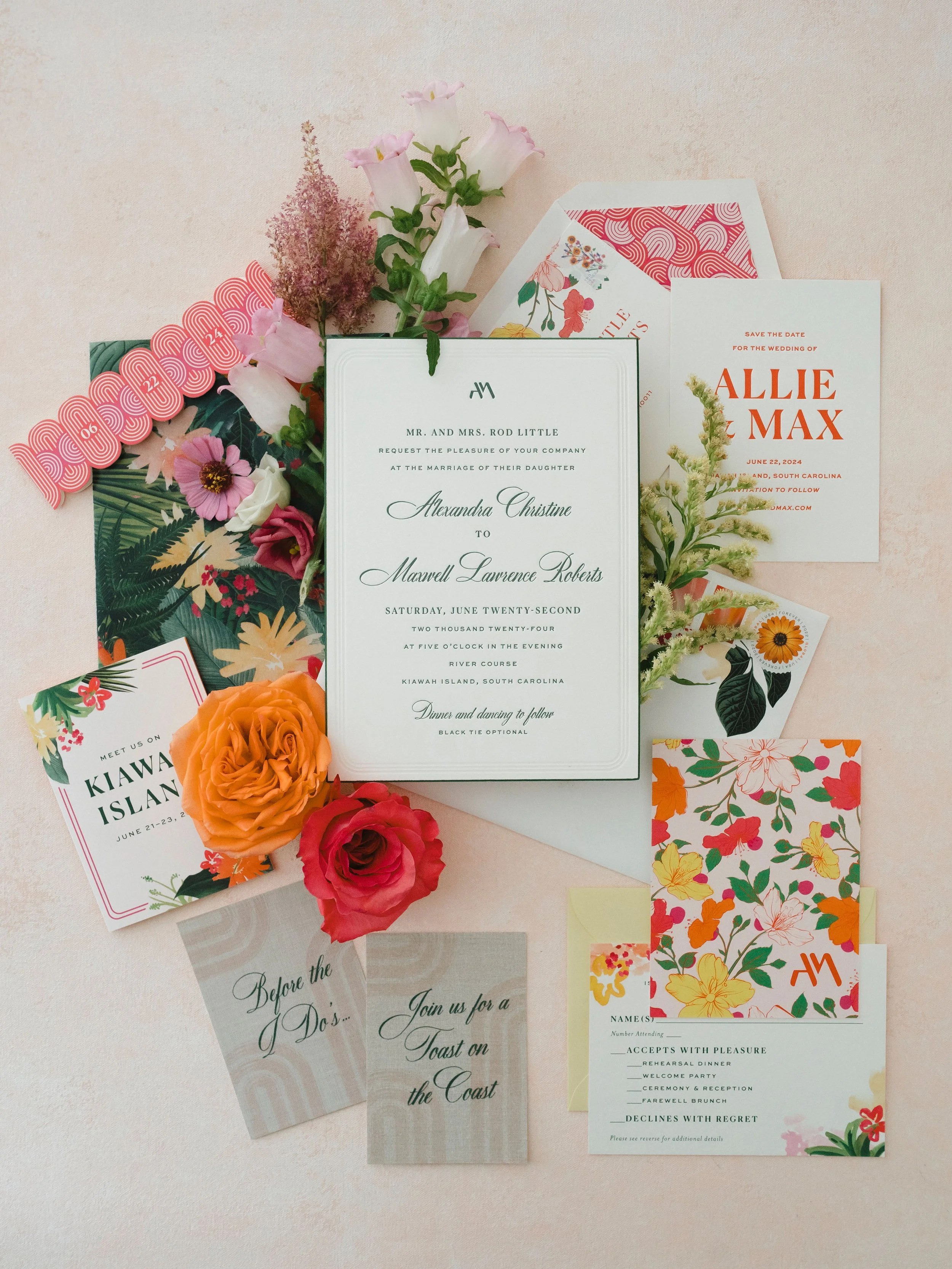
Save-the-dates should generally be sent 10 to 12 months in advance, especially if the wedding requires flights, passports, or multiple days away. The save-the-date should include the destination, the wedding date, and a wedding website where guests can review travel information.
Formal invitations can follow closer to the wedding, but the key logistics should not wait until the invitation suite. By then, guests should already know the room block, suggested arrival and departure dates, major weekend events, and any travel requirements.
For couples working through our planning process, guest communication is never treated as an afterthought. It is part of the production. A destination wedding should unfold with enough information that guests feel gently guided from the first booking decision to the final goodbye.
What to include on a destination wedding website
A destination wedding website should be more than a digital invitation. It should function as a guest care tool.
Include the recommended airport, transportation guidance, hotel block links, booking deadlines, suggested arrival and departure windows, the full weekend itinerary, dress code details for each event, and a clear note about which events are hosted. If children are not included, say so kindly and clearly. If childcare resources are available, provide them.
This is also where you should include details people forget to ask until it is too late: terrain, weather, shoe guidance, wraps after sunset, local customs, salon recommendations, babysitting contacts, transportation pickup points, and who guests should contact during the weekend.
The more clearly this information is presented, the fewer decisions guests have to make while traveling.
Plus-ones and children should be handled with consistency
Plus-ones are sensitive at any wedding, but destination weddings add another layer because guests are traveling. Every additional person affects catering, transportation, welcome amenities, seating, and the feel of the weekend.
As a general rule, guests who are married, engaged, or in a committed long-term relationship should be invited with their partner. For single guests, the decision depends on the size of the wedding, the budget, and the social makeup of the guest list.
The most important thing is consistency. Giving plus-ones to some single guests and not others in the same close friend group can create unnecessary hurt.
The same principle applies to children. Couples may host an adults-only wedding or welcome children warmly, but the decision should be communicated clearly. Babysitting resources are a thoughtful addition when many guests are traveling with young children.
If someone asks to bring an uninvited guest, the answer can be kind and firm: “We would love to include everyone, but our guest count is carefully planned for the weekend. We are not able to accommodate additional guests.”
No overexplaining required.
Give guests room to enjoy the destination
One of the loveliest parts of a destination wedding is the shared setting. Charleston streets after dinner. A slow morning by the water. A glass of wine in Tuscany before the welcome party. Guests should have time to experience it.
This is where restraint matters. Offer suggestions, but do not overfill the schedule. A weekend packed with mandatory events can begin to feel like an obligation, even when everything is beautiful. Guest downtime is not empty space. It is where people recover from travel, explore the location, and arrive at each hosted event with more energy and presence.
We love offering curated recommendations: favorite restaurants, walks, museums, shopping, spas, golf, local guides, and reservations worth making. The goal is to make the destination feel accessible, not overly managed.
For more on this kind of pacing, How a Well-Orchestrated Event Becomes a Gift to Your Guests speaks directly to the way communication, timing, and comfort shape the emotional tone of a celebration.
What guests should know before they RSVP
Guests have etiquette responsibilities too.
For a destination wedding, an RSVP is not just a headcount. It affects transportation, seating, catering, hotel block management, welcome amenities, and printed materials. Respond by the deadline, even if the answer is no.
Once a guest RSVPs yes, they should treat that commitment seriously. The couple has planned and paid with their attendance in mind. Of course, emergencies happen. But canceling casually after the deadline creates real logistical and financial consequences.
Guests should also book travel early, especially when a room block is involved. Booking within the block can help the couple, and it usually makes the weekend easier for the guest.
Most importantly, guests should arrive with flexibility. Destination weddings often involve unfamiliar food, transportation, customs, weather, or timing. A gracious traveler adds to the atmosphere. A complaining one can shift it.
Gifts, registries, social media, and privacy
A couple should never expect a gift or make guests feel obligated after they have already traveled. At the same time, many guests still choose to send something as a gesture of celebration. For a destination wedding, that gift may be more modest, and that is perfectly appropriate.
Registry information should live on the wedding website, not the printed invitation. Guests should not bring physical gifts to the destination. Shipping to the couple’s home before or after the wedding is far more practical for everyone.
Social media expectations should also be clear before the wedding weekend begins. Some couples welcome real-time posting. Others prefer an unplugged ceremony, no geotagging, no venue names in real time, or waiting until they have shared professional images first. Whatever the boundary is, communicate it on the wedding website or in the welcome materials.
A destination wedding often takes place somewhere visually stunning, but privacy is part of the experience too. Discretion allows everyone to be more present.
When etiquette gets complicated
If guests want to bring an uninvited plus-one, answer warmly and firmly. If family members want to extend their stay, that is perfectly fine, but the couple’s hosting responsibilities should remain limited to the wedding weekend. If someone cannot afford to attend, receive that decline with grace. No guilt, no pressure, no emotional accounting.
Good etiquette protects relationships while keeping the weekend clear, gracious, and beautifully led.
FAQ: Destination Wedding Etiquette
Do couples have to pay for guest flights for a destination wedding?
No. Guests are generally responsible for their own flights or travel to the destination. Some couples choose to cover travel for immediate family or wedding party members, but that is a personal decision rather than a requirement.
Should couples pay for hotel rooms at a destination wedding?
Traditionally, guests pay for their own hotel rooms. Couples may choose to cover accommodations for select family members, the wedding party, or all guests if they wish, but the key is to communicate clearly and handle any private assistance with discretion.
How early should destination wedding save-the-dates be sent?
For most destination weddings, save-the-dates should be sent 10 to 12 months in advance. Guests need time to request time off, book flights, arrange childcare, and plan the trip thoughtfully.
Is it rude to decline a destination wedding invitation?
No. A destination wedding is a meaningful commitment, and not every guest will be able to attend. Guests should decline promptly and warmly. Couples should receive those declines graciously.
Should destination wedding guests attend every hosted event?
If a guest has RSVP’d yes to the full weekend, they should plan to attend the hosted events unless they are ill, exhausted, or facing a genuine conflict. These events have been planned with their attendance in mind.
What should couples do to make a destination wedding easier for guests?
Communicate early, provide transportation where needed, offer clear attire guidance, share local recommendations, respect guest downtime, and make the wedding website truly useful. The easier the experience feels, the more present everyone can be.
Planning a destination wedding with care
A destination wedding asks something of everyone. It asks guests to travel, adjust, spend, and show up with enthusiasm. It asks the couple to lead with clarity, generosity, and care.
When the etiquette is handled well, it does not feel like etiquette at all. It feels like ease. A welcome note waiting in the room. A shuttle exactly where it should be. A dinner that begins on time. A free afternoon that lets guests fall in love with the place you chose.
For couples planning a multi-day celebration in Charleston, Kiawah, Italy, or another meaningful destination, Reagan Events brings together design, logistics, guest communication, and production with discretion and intention. You can explore our destination wedding planning services, learn more abouthow we work, or inquire with our team when you are ready to begin.