
Destination Wedding Budgeting: Where to Invest and Where to Save
A destination wedding asks more of everyone.
Guests are booking flights, packing for multiple events, and stepping into unfamiliar place. The couple is welcoming people into an entire weekend of meals, movement, and hospitality.
At Reagan Events, we approach destination wedding budgeting with the same philosophy we bring to planning itself: clarity first, then creativity. The goal is not to spend everywhere. The goal is to understand where the investment will be felt, where it will be remembered, and where it can be simplified without weakening the guest experience.
This guide helps couples think through where to invest, where to save, and what hidden costs often appear when planning a destination wedding in Charleston, Kiawah, Italy, or beyond.
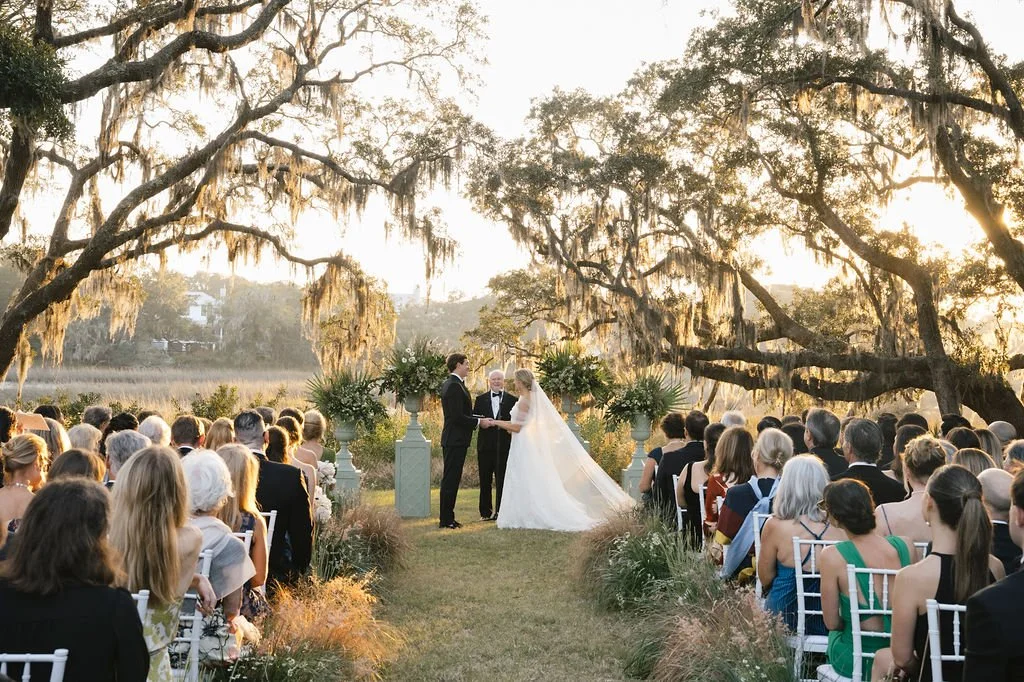
Why Destination Wedding Budgets Are Different
A destination wedding is rarely one event.
It is a welcome, a wedding, a farewell, and often the smaller gestures in between: the bottle of wine waiting in the room, the printed itinerary, the shuttle that arrives on time after a long dinner.
With a local wedding, most of the investment is focused on one primary celebration. With a destination wedding, the budget supports a broader guest journey: hosted meals, transportation, vendor travel, foreign taxes, staffing, production schedules, and the infrastructure required to move a group through a place they may not know.
For couples planning multi-day weddings, this distinction matters. The investment may be higher overall because the scope is larger, but the value is spread across more time and more shared memories.
The better question is not, “What should a wedding cost?” It is, “What kind of experience are we hosting?”
The Hidden Costs of a Destination Wedding
The expenses that surprise couples are rarely frivolous. More often, they are the quiet pieces that make the weekend feel seamless. They may not photograph beautifully, but guests feel it when they are missing.
Vendor Travel and Accommodations
If you are bringing key vendors from home, their travel costs need to be considered from the beginning. This usually means flights, hotel accommodations, ground transportation, and meals.
There are moments when flying in a trusted vendor is worth it, especially for photography, videography, entertainment, or beauty. There are also moments when hiring locally is wiser. Floral, catering, rentals, and production are often better handled by regional partners who understand the climate, sourcing, venue rules, and delivery realities.
This is one reason couples often choose a planner with established destination relationships. A strong destination wedding planner knows when to bring someone in and when the best answer is already on the ground.
Guest Transportation
Transportation is one of the least romantic line items and one of the most important.
In a destination setting, you cannot assume guests will find their own way. A winding road in Tuscany, a remote Lowcountry property, a coastal venue without easy rideshare access, or a late-night return from a reception can quickly become stressful without a clear transportation plan.
Guests should know where to meet, when to arrive, how long the drive will be, and how they will get home. Budget thoughtfully for shuttles, private cars, signage, transportation attendants, and clear guest communication. This is not the place to guess.
Additional Hosted Events
A destination wedding weekend feels incomplete when guests travel a long distance and are only hosted for the wedding day.
The welcome party and farewell brunch do not need to compete with the wedding reception, but they should feel considered. These moments give the weekend rhythm. A welcome party might be cocktails in a courtyard, a relaxed dinner by the water, or a regional meal that introduces guests to the setting. A farewell brunch might be coffee, fruit, pastries, and something warm before travel. These events do not need to be overproduced. They do need to be hosted well.
Currency, VAT, and Wire Fees
For an Italy destination wedding, couples need to account for currency exchange, VAT or IVA, international wire fees, and payment timing. Always confirm whether vendor proposals are quoted inclusive or exclusive of tax. A proposal that appears to fit may change once taxes and fees are applied.
Exchange rates may also shift over the course of planning. For this reason, we recommend building a currency buffer into the budget rather than treating every estimate as fixed.
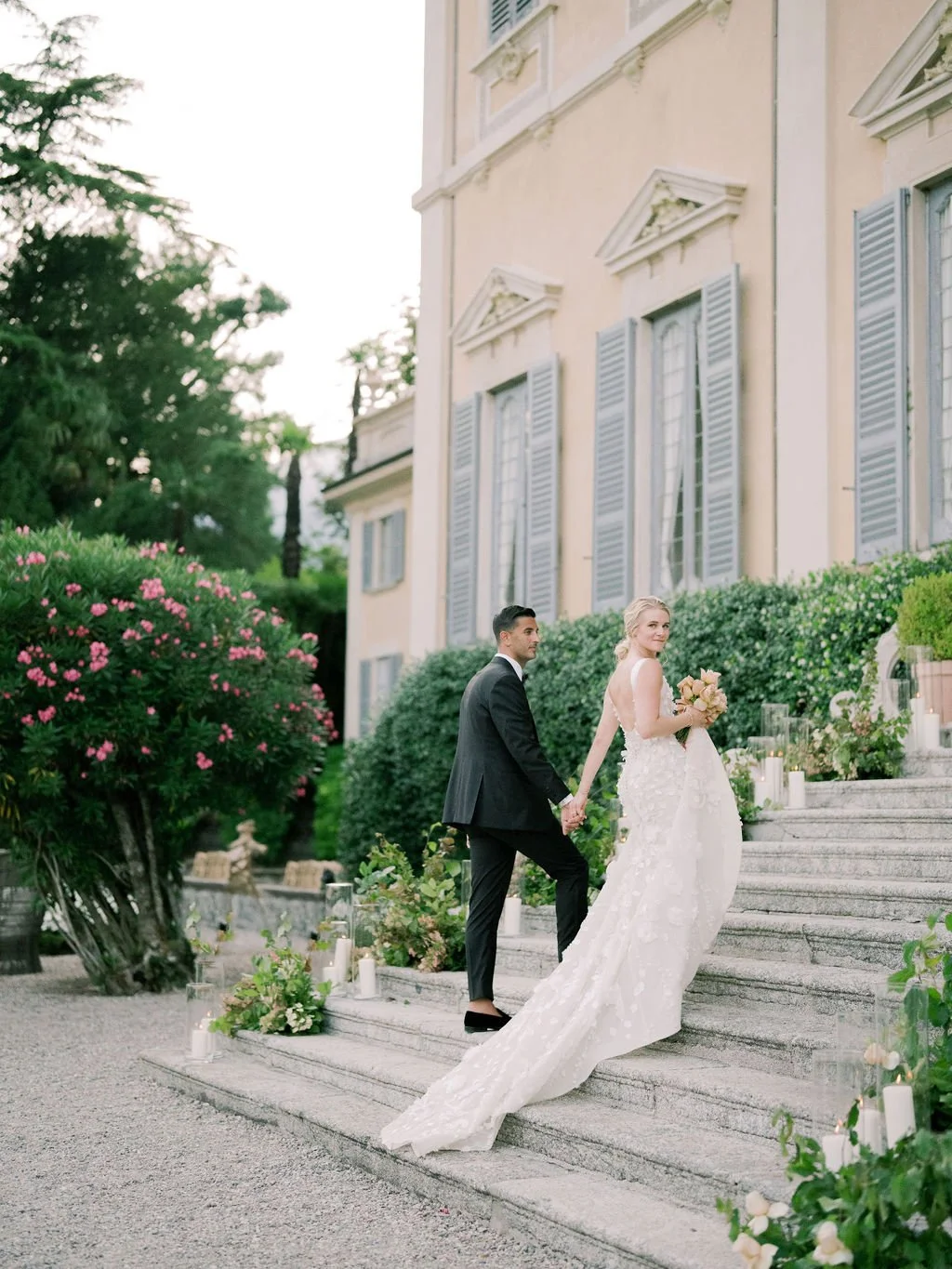
Where to Invest: The Areas Guests Actually Feel
Some expenses shape the weekend more than others. Protect the pieces that carry the emotional weight of the experience: food, service, pace, imagery, music, and logistical ease.
Food, Beverage, and Service
If there is one area we would be very careful about cutting, it is food, beverage, and service.
Guests remember how they were fed. They remember whether the wine was poured before they had to ask. They remember whether the bar had a line. They remember the late-night bite that appeared just as the dance floor needed new energy.
Food and beverage is hospitality in its most visible form. For a destination wedding, the culinary program should extend across the full weekend: welcome party, wedding dinner, cocktail hour, late-night food, farewell brunch, and even the room drop.
In Italy, that may mean local olive oil, seasonal produce, handmade pasta, regional wine, and an aperitivo that lets guests feel the pace of the place. In Charleston, it may mean oysters, coastal flavors, craft cocktails, and a menu that nods to the Lowcountry without becoming predictable.
The food does not need to be overly complicated. It needs to be abundant, well-timed, beautifully served, and appropriate to the setting.
Photography and Videography
Photography and videography are how the weekend will be remembered after the flowers are gone, the tent is struck, and everyone has returned home.
For a destination wedding, we often recommend coverage beyond the wedding day itself. The welcome party, landscape, guest arrivals, quiet moments before the ceremony, late-night energy, and farewell brunch all contribute to the story.
A single wedding day gallery can be beautiful. A full weekend gallery can feel like an heirloom. For legacy celebrations or high-net-worth events, documentation should be intentional and discreet.
Entertainment
Music carries the energy of the reception.
A strong band or DJ does more than play songs. They read the room, manage transitions, support the timeline, and understand when to lift the tempo or let a moment breathe.
This is especially important at a destination wedding, where guests have often spent days together before the reception even begins. By the time dinner ends, the room needs to move naturally into celebration.
For more on this, our guide to managing the band like a pro offers a deeper look at the details that make entertainment feel polished instead of chaotic.
A Specialized Destination Planner
A destination wedding planner is not simply there to make things pretty. The planner protects the budget, the timeline, the guest experience, and the couple’s peace of mind.
Destination planning requires vendor knowledge, contract review, transportation planning, production oversight, guest communication, and the ability to anticipate problems before they become visible.
At Reagan Events, our planning process is built to bring structure to that complexity. We begin with clarity around priorities, budget, location, and guest experience before the design is pushed too far.
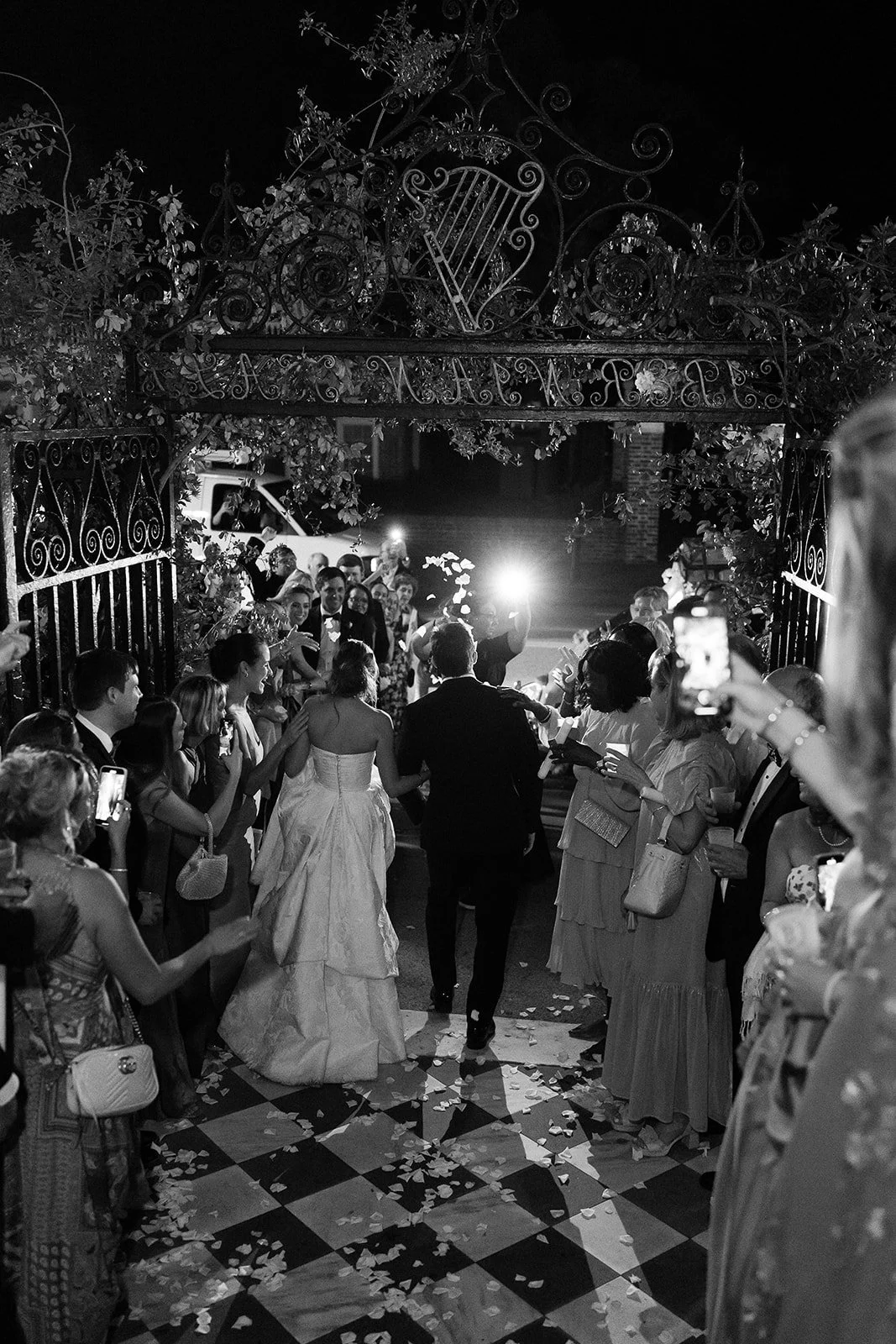
Where to Save: Thoughtful Reductions That Do Not Weaken the Weekend
Saving does not mean lowering the standard. It means knowing where the guest experience will remain intact with a more restrained choice.
Printed Materials and Day-Of Signage
The invitation suite matters. It is the first tangible expression of the weekend and should feel aligned with the destination, tone, and level of formality.
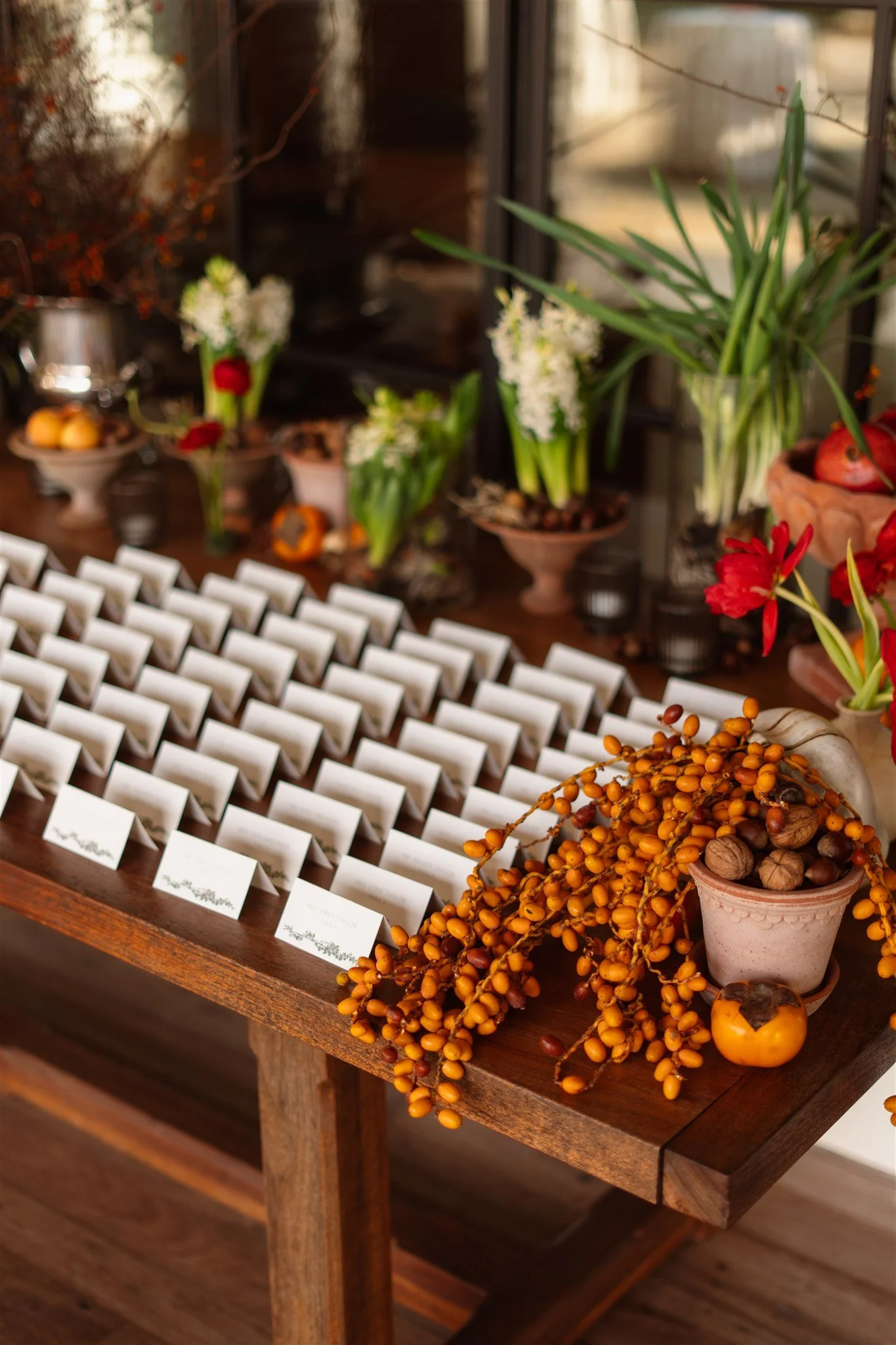
Day-of paper can usually be more restrained. Menus, programs, bar signs, and escort cards should still be polished, but they do not always need the same level of production as the invitation. Save the handwork for the pieces that guests will keep, photograph, or experience before the weekend begins.
Welcome Gifts
Welcome gifts should be useful, intentional, and easy to enjoy.
The most successful ones are not overfilled. A bottle of local wine, a regional snack, a clear itinerary, and one small keepsake can feel more considered than a crowded bag of branded items that guests leave behind.
After a long travel day, guests usually want something simple: water, something salty, something sweet, and the information they need for the weekend. That is hospitality.
Ancillary Event Decor
The wedding reception deserves the fullest design treatment. The welcome party and farewell brunch can usually be more relaxed, especially when the setting is already doing meaningful work. A terrace overlooking the water, a Charleston courtyard, or a candlelit restaurant may not need heavy floral or custom production to feel special. Not every moment needs to peak.
Favors
Traditional favors are often one of the easiest places to save.
At destination weddings, guests are traveling with limited luggage space. If the item is not useful, edible, or truly meaningful, it may be left behind. A better approach is to make the experience itself the gift.
Common Budget Mistakes We See
The most expensive mistakes often begin quietly: an assumption, a delayed decision, an unconfirmed number, or a guest count that keeps growing while the budget stays the same.
A destination wedding usually needs a longer planning runway than a local wedding. Venue availability, travel logistics, vendor schedules, room blocks, transportation, contracts, and production needs all take time.
Every destination wedding should also have a contingency fund. We typically recommend setting aside 10 to 15 percent of the total budget for unexpected costs. This is not money you plan to spend. It is protection.
A three-day wedding weekend in Italy cannot be fairly compared to a Saturday evening reception at a local club. The scope, logistics, hosted meals, guest experience, and production needs are different.
Finally, remember that the budget does not end when the band stops playing. Post-wedding expenses may include gratuities, album design, video edits, thank-you gifts, preservation, shipping, vendor meals reconciled after the event, or damage deposits that are partially retained.
Working With Your Planner on Budget
The budget conversation should happen early.
At Reagan Events, we believe financial clarity is part of good service. Before design is developed too deeply, before vendor proposals begin arriving, and before a couple becomes attached to a specific vision, the budget needs to be understood.
A strong budget is not a static spreadsheet. It is a living tool. It should track estimates, proposals, deposits, balances, taxes, fees, gratuities, and payment deadlines. It should show what has been committed, what is still flexible, and where adjustments may need to be made.
When a vision exceeds the budget, the answer does not always need to be a flat no. Sometimes the better answer is a thoughtful alternative: a revised welcome party format, a more strategic lighting plan, or a design adjustment that protects the feeling while reducing the cost.
The right planner knows what can change and what should be protected.
Frequently Asked Questions
Are destination weddings more expensive than local weddings?
Generally, yes, because the scope is broader. A destination wedding often includes multiple hosted events, guest transportation, vendor travel, welcome materials, and additional production needs.
Do couples pay for guest accommodations at a destination wedding?
Traditionally, guests pay for their own flights and hotel rooms. The couple typically hosts the wedding events, provides transportation to and from those events, and offers welcome information or gifts.
Should we hire local vendors or fly vendors in?
It depends on the vendor category and destination. Photography, videography, entertainment, or beauty may be worth bringing in if the creative relationship is especially important. Catering, floral, rentals, and production are often best handled locally.
How far in advance should we start budgeting for a destination wedding?
Ideally, 14 to 18 months before the wedding date. This gives you time to understand destination-specific costs, secure the right vendor team, and build a thoughtful contingency fund.
What percentage of the budget should go toward the planner?
Planning fees vary by scope, location, guest count, complexity, and number of events, and typically fall anywhere between 12-22%. For a multi-day weekend, the planner’s role often includes budget management, vendor curation, guest experience, design direction, production oversight, and on-site execution.
A Final Thought on Destination Wedding Budgeting
A well-built budget does not limit the wedding. It gives the wedding structure. It shows where to be generous, where to be restrained, and where the experience needs protection.
The most memorable destination weddings are not memorable because every detail was expensive. They are memorable because every detail was intentional.
For couples planning a wedding in Charleston, Kiawah, Italy, or another meaningful destination, Reagan Events offers full-service destination wedding planning,bespoke event design, and deeply considered production.
Explore our wedding and event portfolio, learn more about our planning process, or inquire with Reagan Events to begin the conversation.