
What Happens After You Hire a Luxury Wedding Planner?
Hiring a wedding planner is often the moment the celebration begins to feel real.
The date is no longer just a possibility. The place is no longer just a dream. The ideas you have been collecting, the family conversations, the budget questions, the guest list, the travel plans, the atmosphere you hope to create - suddenly, all of it needs direction.
For many couples, this is also the moment they wonder what actually happens next.
A thoughtful planning process is not simply a checklist passed from one person to another. It is a guided experience that takes your vision, priorities, budget, guest experience, vendor team, design direction, and production logistics, then organizes them into a clear path forward. The right planner does not remove you from your own wedding. The right planner protects your time, steadies the process, and helps you make meaningful decisions in the right order.
At Reagan Events, our planning process is designed to bring structure to the emotional, creative, and logistical weight of planning a deeply personal celebration.
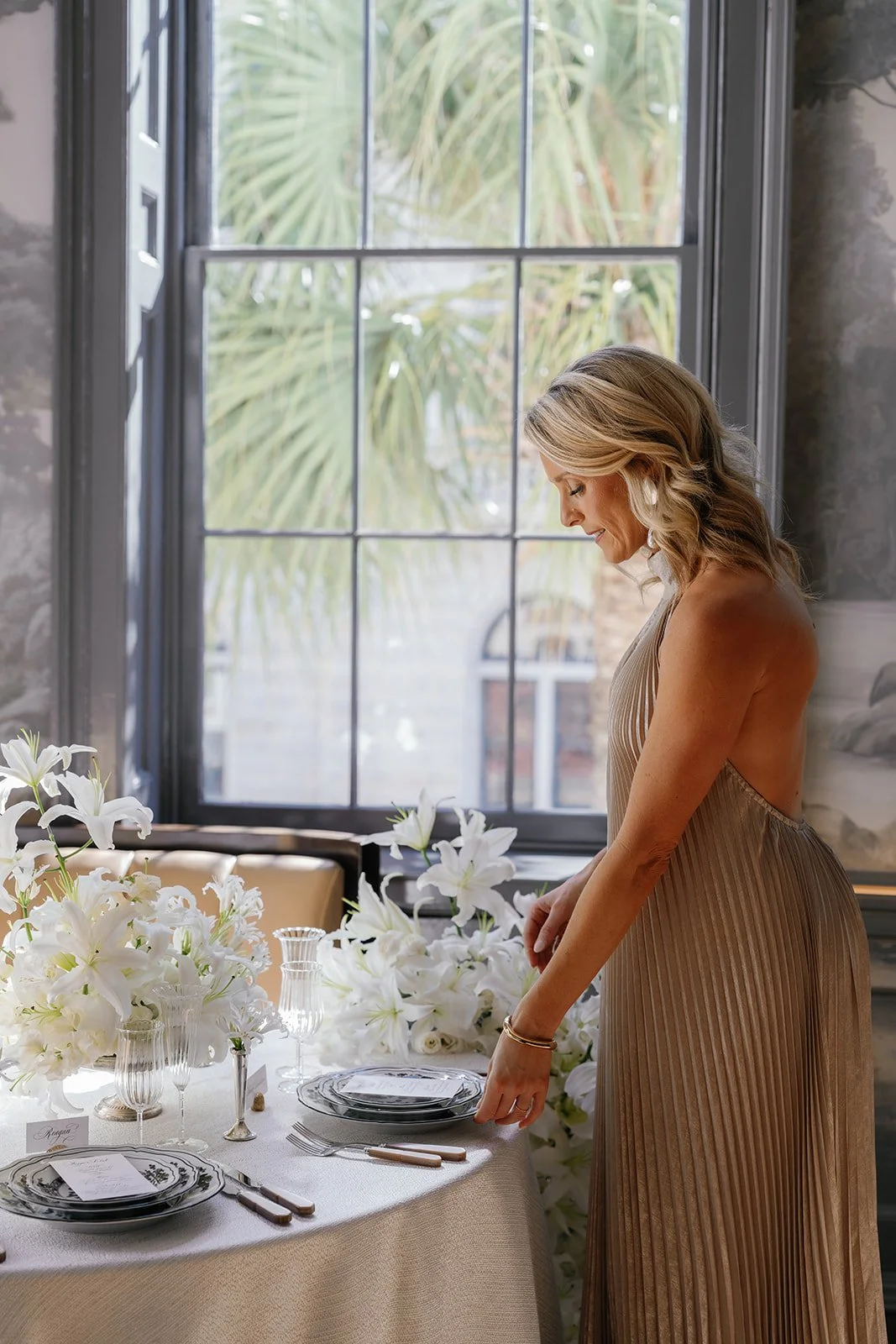
Quick Answer: What Happens After You Hire a Luxury Wedding Planner?
After you hire a luxury wedding planner, the process typically begins with onboarding, discovery, vision alignment, budget review, venue or vendor strategy, design direction, guest experience planning, logistics, production timelines, and ongoing communication.
For full-service planning, your planner helps organize the entire wedding journey so decisions happen in the right sequence and you are not left managing the process alone. For destination weddings and multi-day weddings, this often includes vendor curation, travel logistics, weekend flow, production details, guest communication, and on-site execution.
In other words, the process should start to feel less scattered and more intentional.
What Happens First After You Hire a Wedding Planner?
The first stage is about getting grounded.
Before any design board is created or vendor proposal is requested, your planner needs to understand what already exists, what still needs to be decided, and what kind of experience you are hoping to create.
This usually includes:
A welcome or onboarding process
A discovery conversation
A review of your priorities and non-negotiables
A discussion around budget direction
A communication rhythm
Access to planning documents or platforms
A review of what has already been booked
A clear outline of what should happen next
This stage matters because it sets the tone for everything that follows. Planning should not begin with frantic motion. It should begin with listening.
A planner needs to understand how formal or relaxed the weekend should feel, how involved you want to be, what family dynamics may need extra care, what guest experience matters most, and what kind of pace you want from arrival to farewell.
This is where the foundation is built. Quietly, clearly, and with purpose.

How Does the Planner Help Clarify the Wedding Vision?
Most couples begin with fragments.
A saved photo of a linen-draped dinner under trees. A color they love but cannot quite name. A desire for the weekend to feel intimate, even with a large guest count. A preference for music that feels spirited without turning the evening into something too expected. A hope that guests feel cared for from the moment they arrive.
A planner’s role is to translate those fragments into direction.
That does not mean forcing the wedding into a theme. It means understanding the feeling behind the inspiration and turning it into a clear design and planning language. The best weddings are not built from scattered references. They are built from discernment.
Your planner helps clarify:
What the weekend should feel like
What guests should experience first
Where the emotional peaks should happen
Which design ideas have staying power
Which details are meaningful and which are distractions
How the venue, budget, guest count, and logistics shape the design
This is where design and strategy begin to work together. A room can be beautiful and still feel awkward if the pacing is wrong. A dinner can be visually impressive and still feel disconnected if the guest flow is not considered. A tent can be extraordinary and still fall flat if lighting, sound, service, and transitions are not designed as part of the same experience.
Strong planning keeps the wedding from becoming a collection of pretty ideas. It gives those ideas a reason to exist.
How Does Budget and Vendor Strategy Work?
Once the vision has direction, the budget needs to support it honestly.
Budget strategy is not just about assigning numbers to categories. It is about understanding priorities, anticipating hidden costs, and making sure the investment is placed where it will have the greatest impact on the experience.
A full-service planner helps review the budget through the lens of the full event, including design, production, service, logistics, guest comfort, and contingency needs. This is especially important for destination weddings, tented celebrations, private estates, and multi-day weekends where the visible details are only one part of the full production.
Vendor strategy is equally important.
The right vendor team is not simply a list of talented people. It is a group of professionals whose style, scale, communication, service standards, and operational capacity align with the event. Your planner helps recommend vendors, review proposals, compare options, support contract conversations, manage communication, and make sure each creative partner understands how their work fits into the larger plan.
This is one of the reasons hiring a luxury wedding planner is worth the investment. Much of the value lives in the decisions you never have to untangle alone: the proposal that looks comparable but is missing labor, the rental order that needs a second layer of review, the band contract that needs timing clarified, the transportation plan that requires more structure than expected.
Vendor strategy is not collecting quotes. It is building the team that will carry the experience.
What Decisions Should Happen Early in the Planning Process?
The early decisions have the most influence.
Before the focus shifts to flowers, paper goods, rentals, and tabletop details, the larger structure needs to be clear. These decisions shape the budget, vendor availability, guest experience, and production plan.
Early planning decisions often include:
Date and location
Venue confirmation
Guest count
Budget direction
Wedding weekend structure
Key vendor team
Guest accommodations
Transportation needs
Design direction
Planning priorities
This is why the sequence matters so much. Booking a venue before understanding the full scope of the wedding can create limitations that are hard to undo later. Layout, weather plans, access, power, sound restrictions, parking, catering requirements, transportation, and guest accommodations all shape what is possible.
If you are still in the earliest stage of planning, our guide on why you should book your planner before your venue explains why that first decision can protect the entire process.
Once the planner is hired, the goal is to make sure every major decision supports the event you are actually trying to create, not just the one that looks good on paper.
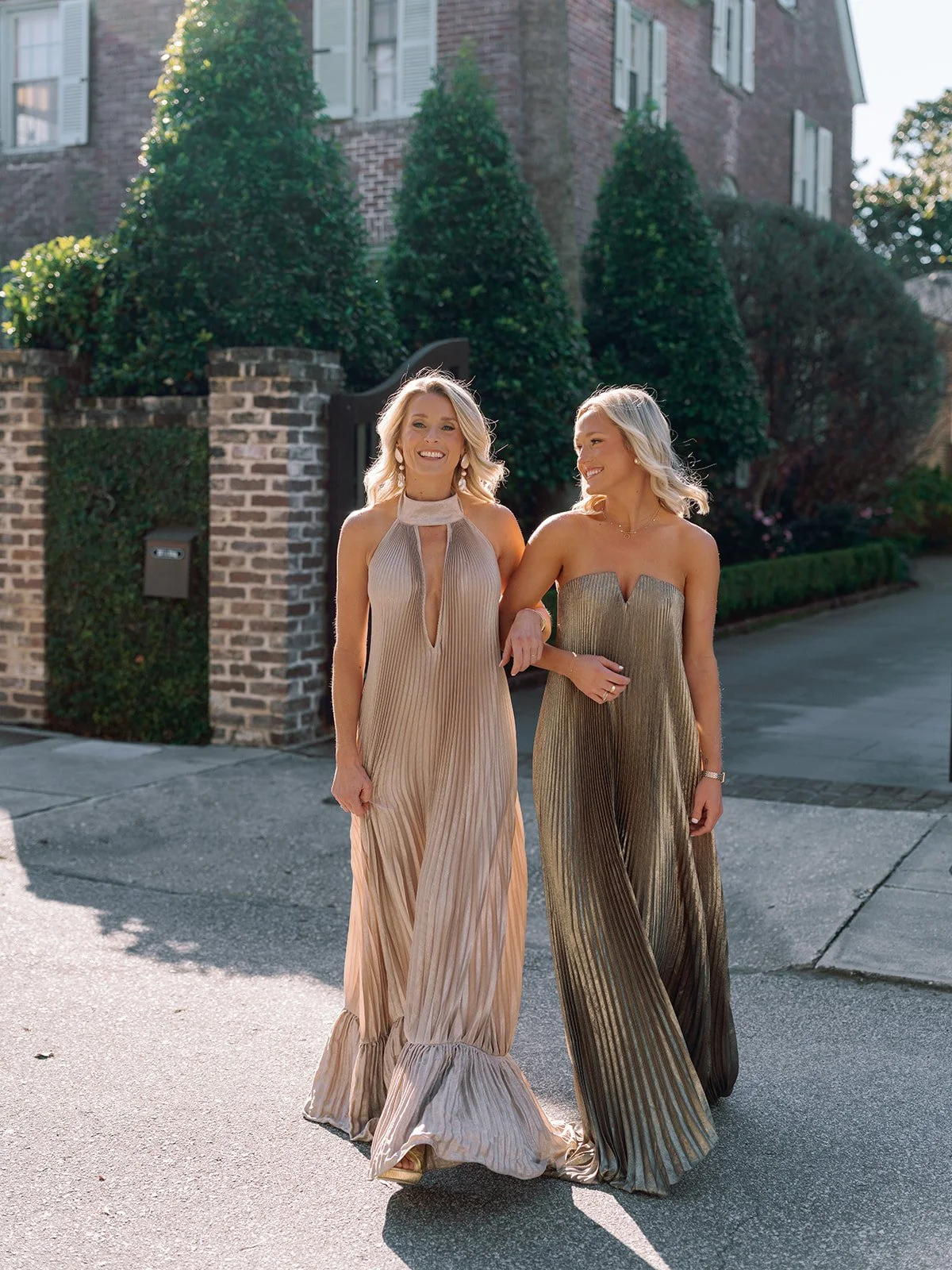
How Does Design Development Usually Begin?
Design begins with atmosphere.
Not just color. Not just flowers. Not just a table setting. Atmosphere.
How should the room feel when guests walk in? What should the ceremony setting say before a word is spoken? Should the welcome party feel polished and lively, or relaxed and sun-warmed with local wine and easy conversation? Should the reception lean formal, editorial, garden-like, coastal, old-world, modern, or something harder to name?
From there, the design begins to take shape through:
Mood and atmosphere
Color direction
Floral style
Floor plans
Rentals
Paper goods
Lighting
Linens
Tabletop details
Guest experience touchpoints
Environmental styling
But design cannot be separated from function.
A floor plan determines how guests move. Lighting changes how the room feels from dinner to dancing. Bar placement affects service speed. Lounge placement influences conversation. Paper goods guide guest understanding. Florals should support the architecture and the setting, not fight them.
This is where bespoke event design becomes more than aesthetics. It becomes the way the celebration breathes.
What Does the Planner Handle Behind the Scenes?
The work you see is only a fraction of the work being done.
Behind the scenes, your planner is managing communication, sequencing decisions, tracking details, organizing vendors, reviewing documents, refining layouts, adjusting budgets, and anticipating problems before they become visible.
This can include:
Vendor communication
Budget updates
Timeline management
Production documents
Floor plans
Rental orders
Transportation notes
Guest flow
Weather plans
Troubleshooting
Schedule coordination
Ongoing decision tracking
Wedding party and family communication
For larger weddings and high-net-worth events, this layer becomes even more important. Privacy, scale, security, guest comfort, family expectations, travel details, and production timing all require careful handling.
Our event planning and management work is built around this kind of structure. The goal is not to make the couple feel buried in operational detail. The goal is to make sure the details are being held with precision, so the couple can stay connected to the meaning of the celebration.
Good planning is often quiet. You feel it because the weekend moves well.
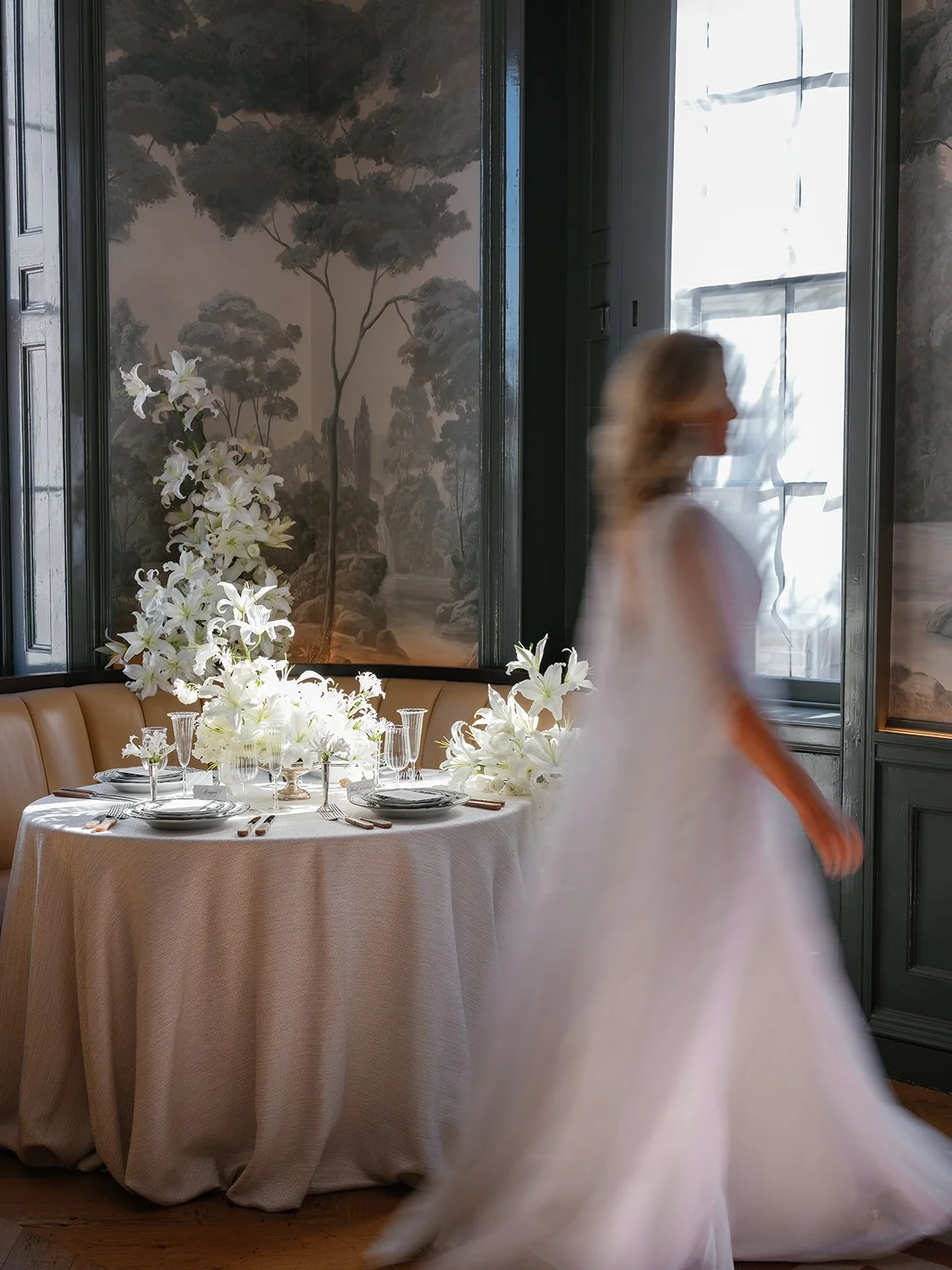
What Happens as the Wedding Gets Closer?
As the wedding approaches, the planning shifts from creative development into confirmation and production.
This is when the details tighten.
Final guest counts are reviewed. Seating charts are refined. Floor plans are confirmed. Vendor timelines become more specific. Transportation schedules are checked against ceremony times, photography needs, and guest movement. Rental orders are finalized. Weather plans are tested. Final payments are tracked. Family and wedding party communication becomes more detailed.
The final weeks often include:
Final guest count updates
Vendor confirmations
Production timeline creation
Final walkthroughs
Ceremony rehearsal planning
Seating chart and floor plan refinement
Load-in and strike plans
Weather contingency planning
Final payment tracking
Wedding party and family communication
Guest logistics and transportation confirmation
This is also when overcommunication becomes care.
No one should be guessing where to be, what time to arrive, who is handling transportation, where personal flowers are going, when family photos begin, or what happens if weather changes. The more clearly these details are handled, the more relaxed the wedding weekend feels.
The couple should not be fielding questions that could have been answered in advance.
What Happens During the Wedding Weekend?
During the wedding weekend, the planner becomes the point of leadership.
Vendor arrivals are managed. Setups are overseen. Timelines are followed and adjusted as needed. Guest movement is directed. Ceremony flow is handled. Reception transitions are watched carefully. Weather, transportation, service, family questions, entertainment cues, and production needs are managed in real time.
For full-service planning, this on-site presence is not an extra. It is part of protecting the experience.
The planner’s role during the wedding weekend often includes:
Vendor arrival oversight
Setup supervision
Timeline management
Guest movement
Ceremony direction
Reception transitions
Family and wedding party guidance
Troubleshooting
Load-in and strike coordination
Protecting the couple from unnecessary distractions
The best execution allows the couple to stay present. They are not being pulled aside to answer questions about napkin placement, shuttle timing, vendor meals, rain calls, or whether the band has access to power. Those decisions have either already been made, or they are being handled by the team.
For destination and multi-day weddings, this level of planning is especially important. The guest journey begins long before the ceremony and continues through the final farewell. Our journal on designing a seamless guest journey in multi-day destination weddings explores this more deeply, from arrival communication to weekend pacing.
A wedding weekend should not feel managed by the couple. It should feel hosted by them.
Reagan Events Perspective: Planning Should Feel Guided, Not Overwhelming
A strong planning process should not make you feel removed from your own wedding. It should make you feel supported within it.
You should know what decisions are yours to make and what details are being handled for you. You should feel informed without being overburdened. You should feel like the process has shape, rhythm, and leadership.
At Reagan Events, we believe planning is both creative and operational. It requires taste, but it also requires structure. It requires imagination, but it also requires contracts, timelines, load-in plans, transportation grids, production schedules, and calm communication.
The beauty of the wedding is not separate from the planning that supports it. The two are deeply connected.
For couples planning in Charleston, Kiawah, Italy, or another destination, the right planning partner helps protect the full experience: the privacy of the process, the integrity of the design, the comfort of the guests, the strength of the vendor team, and the emotional ease of the weekend itself.
You can learn more about our planning process, explore the Reagan Events portfolio, or read more about Reagan Events and the way our team approaches full-service planning, design, and production.
Frequently Asked Questions
What happens right after hiring a wedding planner?
Most planning processes begin with onboarding, discovery, communication setup, review of existing plans, and a clear discussion of priorities, budget, timeline, and next decisions.
Will a wedding planner make all the decisions for us?
No. A full-service planner guides the process, narrows options, manages logistics, and gives expert recommendations, but the couple still makes the meaningful final decisions.
How involved will we be after hiring a wedding planner?
Involvement depends on the couple’s preferences and the scope of service. Many luxury planners create a collaborative process where the couple stays informed without managing every detail.
Does a planner help with vendor selection?
Yes. A planner can recommend vendors, review proposals, manage communication, compare options, and help build a vendor team that fits the wedding vision, budget, logistics, and guest experience.
What does a planner do during the final weeks before the wedding?
A planner usually manages confirmations, production timelines, floor plans, guest count updates, vendor communication, rehearsal planning, transportation details, weather plans, and final logistics.
Does a planner stay on-site during the wedding weekend?
For full-service luxury planning, on-site presence is usually a key part of the process. The planner oversees setup, vendor flow, timeline execution, guest movement, and troubleshooting so the couple and their guests can stay fully present.
A More Considered Way to Plan
After hiring a wedding planner, the process should begin to feel clearer.
There will still be decisions to make. There will still be details to refine. There will still be moments where the scale of the celebration becomes real. But those pieces should be held within a process that feels steady, thoughtful, and deeply organized.
That is the difference between planning that simply moves forward and planning that is truly led.
If you are considering a full-service planning partner for a Charleston wedding, an Italy destination wedding, a multi-day wedding weekend, or a private legacy celebration, you may inquire with Reagan Events to begin the conversation.