
Planning a Wedding in Tuscany: Villas, Vineyards, and What to Expect
Tuscany is the version of Italy many people think they are picturing when they say they want an Italian wedding.
It is the cypress-lined roads, the old stone villas, the rolling hills, the homemade pasta, the good wine, and the slower rhythm that makes everything feel a little more human. There is a softness to Tuscany that resonates immediately. It is romantic, yes, but not in a contrived way. It feels settled. Grounded. Easy in the best sense of the word.
That is also what makes planning a wedding in Tuscany so different from planning along the Amalfi Coast. Amalfi is buzzing. It is social, energetic, and visibly glamorous - a place to see and be seen. Tuscany is quieter. More private. More spacious. It invites people to settle in rather than move through it too quickly.
That distinction matters when you are choosing where and how to host a destination wedding in Tuscany, Italy. Beyond the imagery, this region offers a very specific kind of wedding experience: one that feels slower, softer, and more immersive for both the couple and their guests. This Tuscany wedding guide is about what that actually looks like in practice.
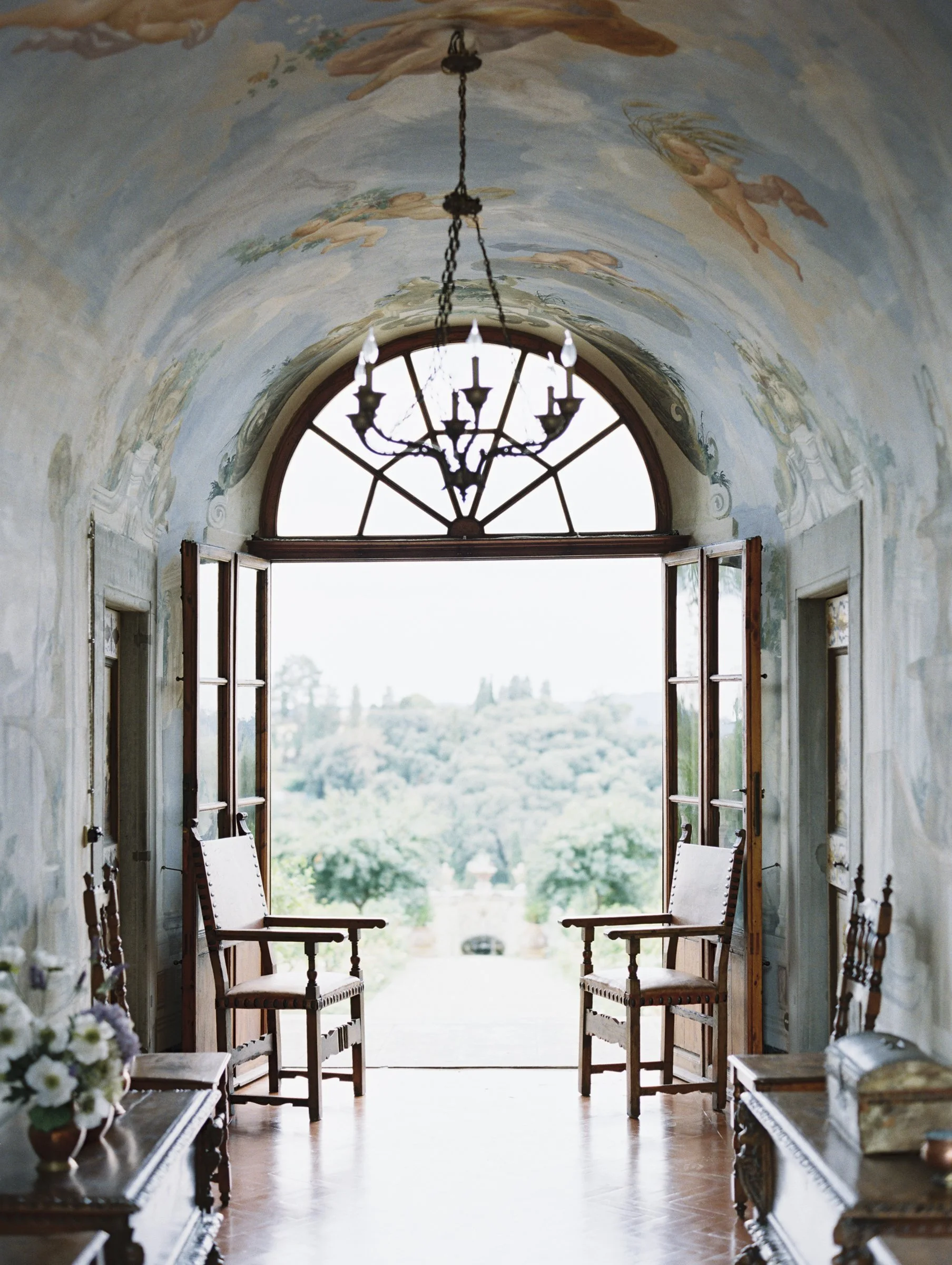
Why Tuscany Is One of the Most Popular Wedding Destinations in Italy
Tuscany continues to be one of the most sought-after wedding regions in Italy because it gives couples more than a beautiful backdrop. It gives them room to host well.
The landscape is part of the appeal, of course. Vineyards, olive groves, historic properties, terracotta-roofed villages, and golden light all have their place. But what makes Tuscany so strong for weddings is the way the region supports a full experience. There is space for guests to stay on property, time to gather over several days, and enough privacy to make the celebration feel personal rather than public.
For many couples, Tuscany represents the nostalgic side of Italy. It is the Italy of long lunches, rustic local cooking, slower mornings, and a more effortless way of life. That makes it especially attractive for people who want to settle in and relax for the wedding weekend rather than chase a busier, more high-visibility atmosphere.
This is often the right fit for couples who want a multi-day celebration that feels easy to live in. They want guests to exhale. They want time together. They want the romance of Italy, but in a way that feels understated and deeply rooted in place.
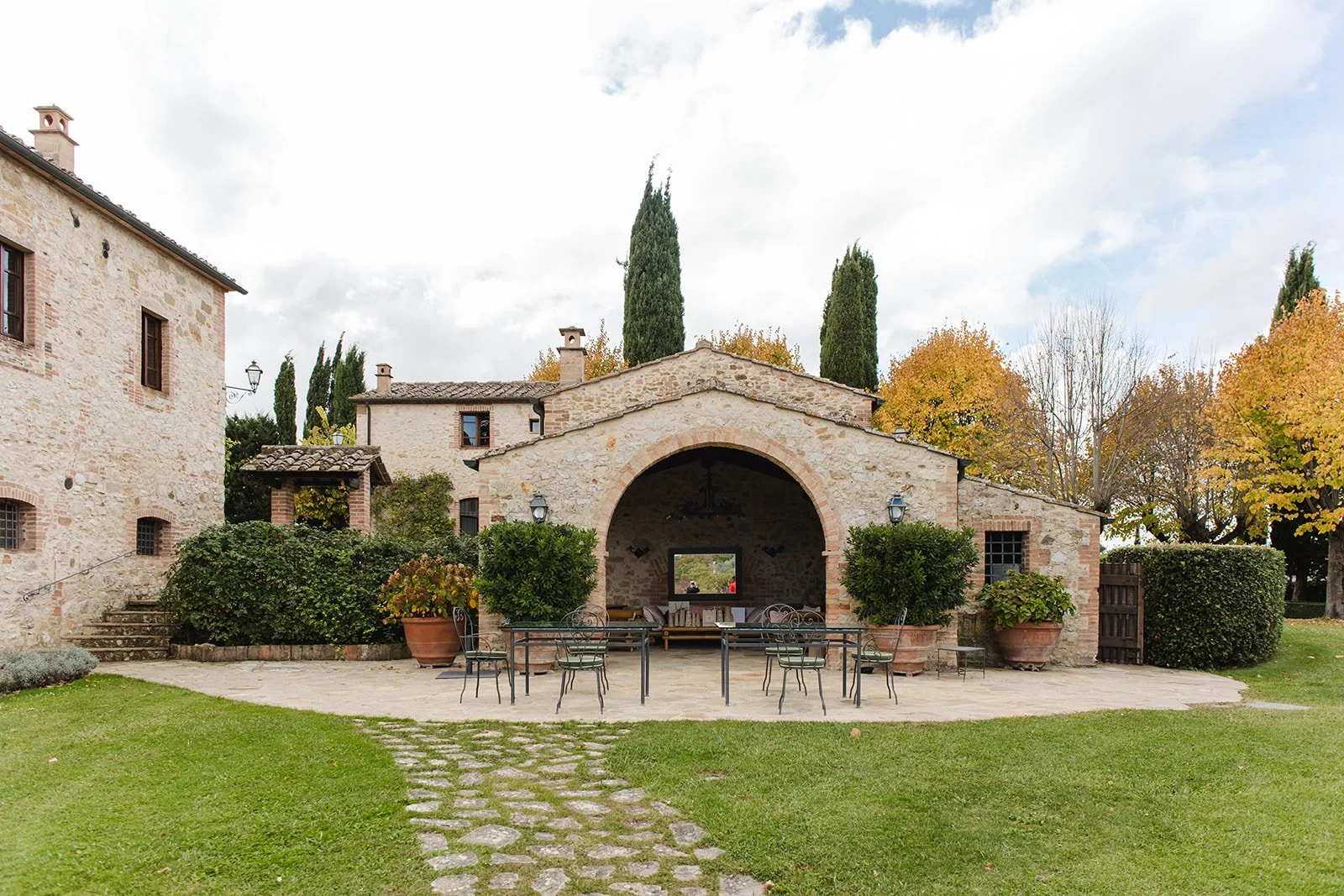
Types of Wedding Venues in Tuscany
One of the best parts of planning a wedding in Tuscany is the range of venue styles available. The region offers very different settings, but the strongest choices tend to share one thing in common: they support the guest experience, not just the photographs.
Private Villas
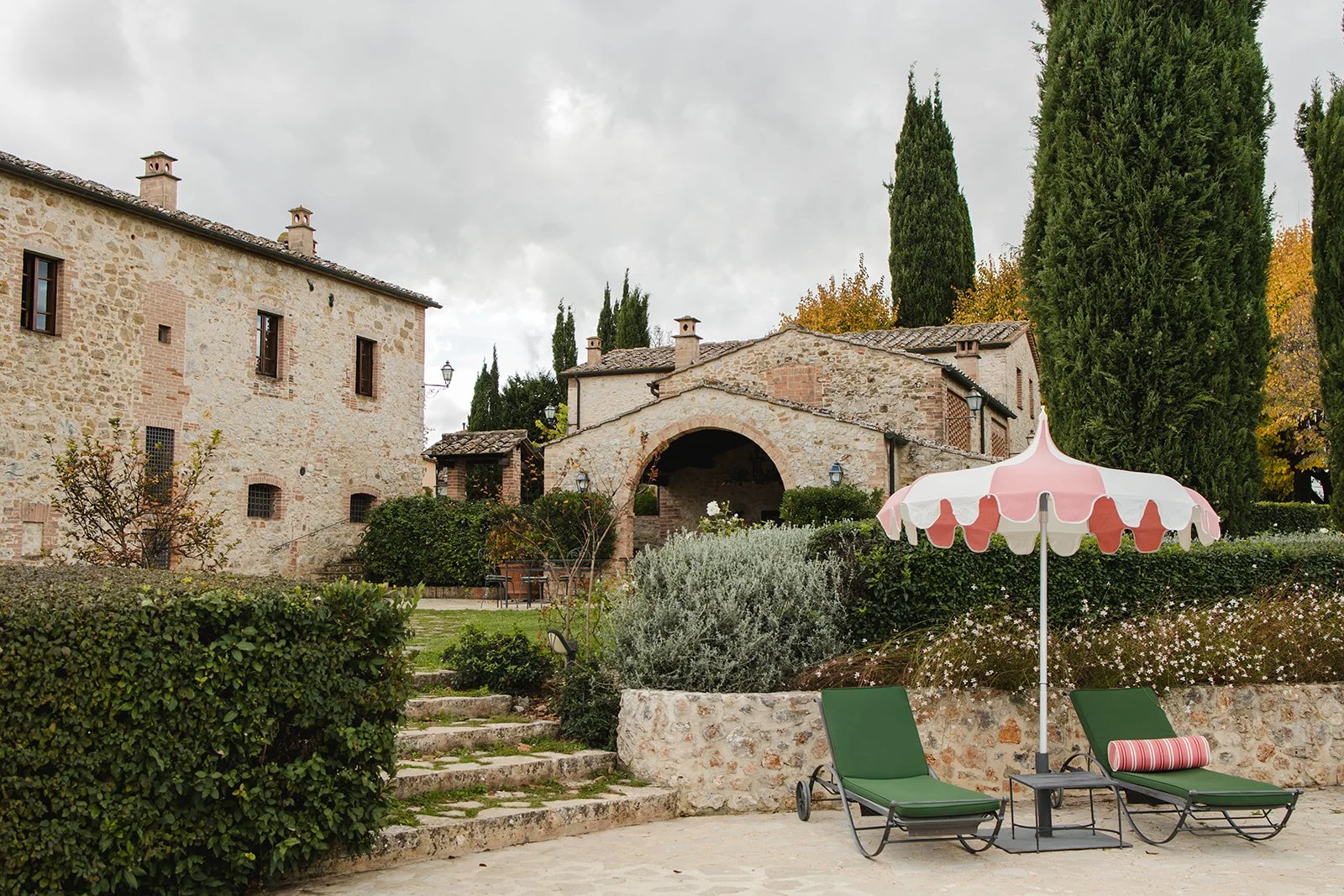
A Tuscany villa wedding is often the most natural fit for a multi-day destination event. Villas offer privacy, flexibility, and the kind of setting that allows guests to feel like they are living inside the weekend rather than commuting in and out of it.
Full estate buyouts with on-site accommodations, gardens, courtyards, and multiple entertaining areas make villas especially appealing for couples who want everyone to have a home base for a few days. That changes the energy of the celebration immediately. Guests feel more relaxed, the weekend feels more cohesive, and the logistics are often much cleaner.
Vineyard Estates and Wine Properties
A vineyard wedding in Tuscany comes with a natural connection to the land and to the region’s food and wine culture. These properties are especially appealing for couples who want the setting to feel distinctly Tuscan without forcing it.
The best vineyard estates already have a presence. They do not need much embellishment. They offer the kind of atmosphere where the scenery, the wine, and the pace of the meal are doing part of the work for you.
Historic Borghi
For couples who want something with more age, texture, and a stronger sense of place, historic borghi offer a very different experience. These old village-style properties often include stone buildings, narrow paths, central gathering spaces, and a feeling of being fully tucked into the landscape.
They can be incredibly atmospheric, but they also require thoughtful planning. A borgo was not built as a modern event venue, which means access, transportation, production load-in, power, layout, and guest movement all need to be considered early and clearly.
Boutique Hotels and Agriturismos
Boutique hotels and agriturismos are often a strong fit for couples who want a more intimate celebration or a more curated hospitality experience. These properties can feel incredibly personal when chosen well, especially if they offer on-site accommodations and a service style that feels polished without being stiff.
I tend to love villas and boutique hotels most in Tuscany - any property where guests can stay on site and call it home for a few days.
Olive Groves and Farmhouses
For couples drawn to a more organic countryside setting, olive groves and farmhouses can offer a beautiful, restrained backdrop. The strongest ones feel natural and lived-in rather than rustic for the sake of being rustic.
This venue category works especially well when the couple wants the weekend to feel relaxed, warm, and closely tied to the landscape itself.
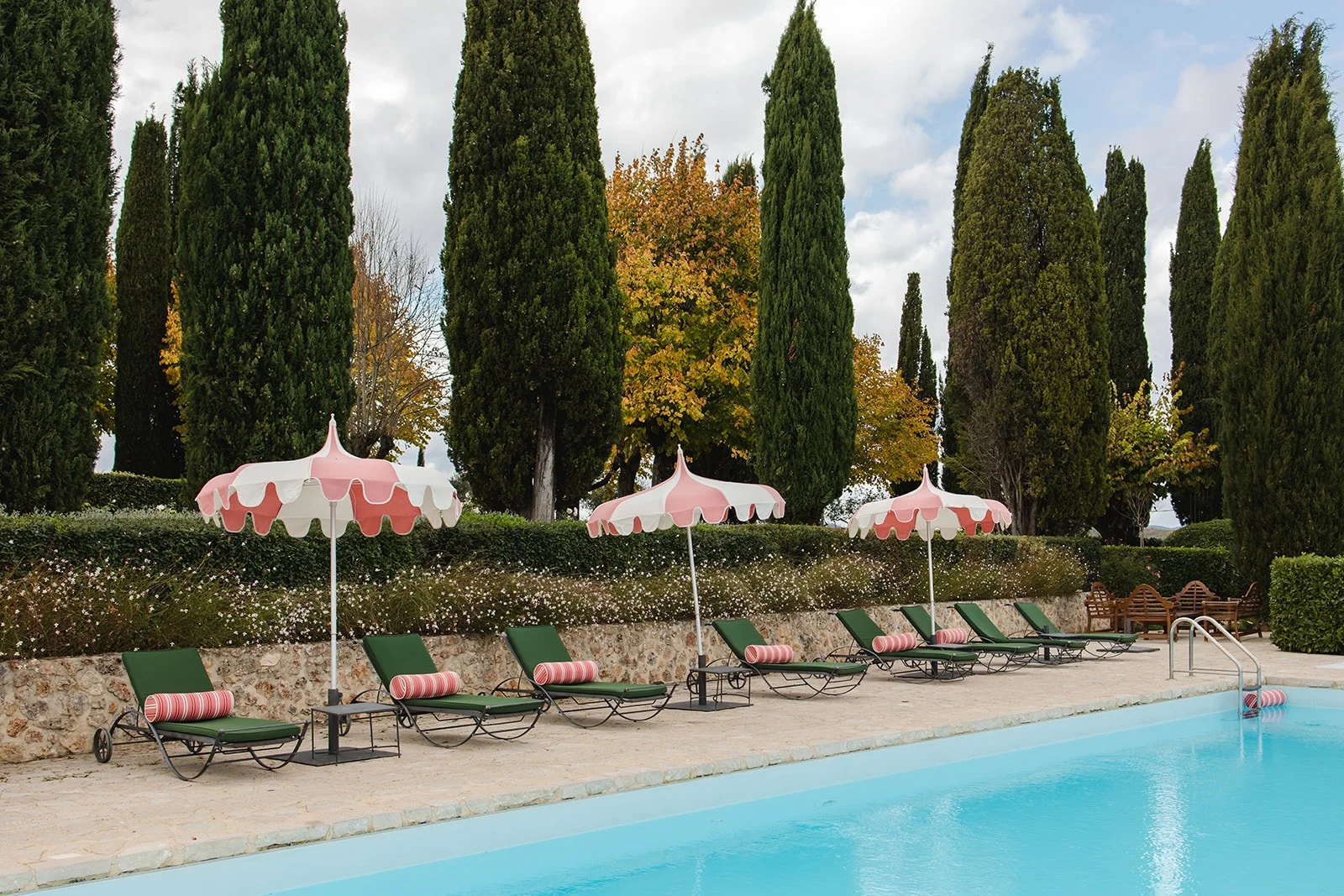
The Tuscany Wedding Experience: What a Multi-Day Celebration Looks Like
Tuscany is not a place I would rush.
It works best when the weekend has breathing room and when the itinerary respects the reason people chose the region in the first place. This is a place to unwind, linger, and let the celebration unfold at the right pace.
A typical Tuscany wedding weekend often begins with guest arrivals and a welcome dinner. In many cases, I prefer that the welcome party be held at the same property as the wedding, just in a different area that will not be used the following day. That approach keeps logistics simple and makes the first night feel effortless for guests, which matters more than people realize.
Getting to a Tuscan town usually requires more travel than coastal towns or larger cities like Rome or Milan. By the time guests arrive, they do not need another complicated transfer or a highly programmed evening. They need to settle in. A simple, beautiful welcome dinner allows them to do exactly that.
The next day often leaves room for guests to explore nearby towns, enjoy a tasting, or simply rest before the ceremony and reception. That rhythm suits Tuscany well. Nothing feels rushed, and the wedding day has a chance to build naturally instead of beginning with everyone already tired.
The final day often ends with a farewell brunch or a slower morning together before departures begin. It is a simple format, but it works because it aligns with the region. Tuscany rewards a celebration that is well paced.
Logistics and Planning Considerations
This is where a Tuscany wedding planner becomes especially important.
The beauty of the region is real, but so are the practical considerations. Most guests will fly into Florence or Rome and then drive or transfer to the venue. Depending on the property, that final stretch can be more complicated than people expect.
Some Tuscan roads are harder to navigate, and not every venue is especially easy for vendor access, transportation, or production load-in. That needs to be considered early. A property can be stunning and still come with real operational limitations.
Not all Tuscany wedding venues are equipped with everything a wedding requires, either. Power, prep space, kitchen access, rental load-in, rain backup, and overall event infrastructure vary significantly from one property to the next. Knowing those limitations ahead of time is what allows you to work with them well rather than be surprised by them later.
As for timing, May through October is generally the strongest window, with September and October often being the sweet spot. The weather is typically lovely, the countryside is beautiful, and harvest season brings an added richness to the food and wine experience.
Tuscany also has an excellent vendor network, but local relationships matter. So does understanding how communication and business culture work in Italy. Many vendors speak English, but that is only part of the equation. A planner who understands the region, the expectations, and the nuances of working there protects both the process and the final result.
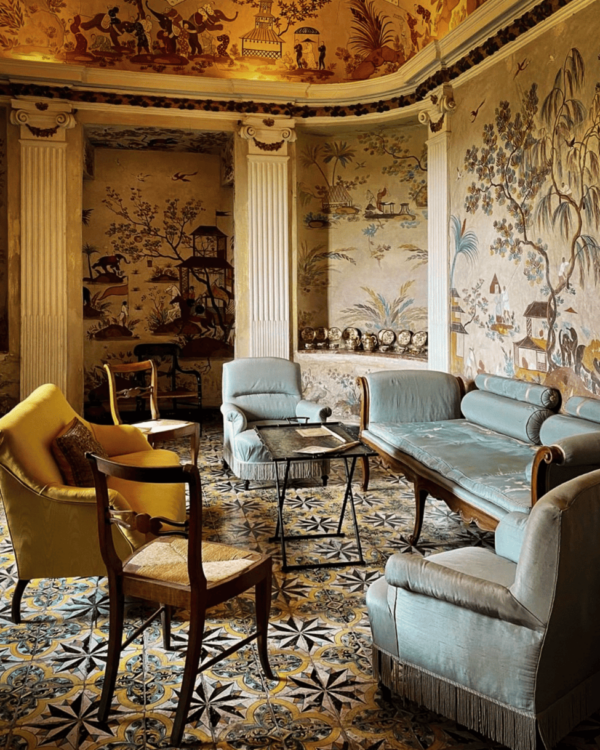
Food and Wine: The Heart of a Tuscany Wedding
Food and wine should never feel secondary in Tuscany. They are part of the identity of the place.
One of the biggest mistakes couples can make is treating the menu as if it could be transplanted from anywhere else. Different regions of Italy take real pride in their own cuisine and wine, and Tuscany is no exception. The food should reflect where you are.
That usually means leaning into local ingredients, local traditions, and a style of dining that feels generous rather than overworked. The goal is not to make the meal feel overly produced. The goal is to make it feel unmistakably Tuscan.
That can take many forms. A beautifully paced seated dinner. Family-style courses that encourage conversation. Local wine pairings that actually belong to the region. Food experiences woven into the weekend, like wine tastings, cooking classes, or olive oil tastings, can also deepen the guest experience in a meaningful way.
And when there is an opportunity to make the presentation interactive and entertaining, I am all for it. Watching mozzarella being made fresh in front of guests is memorable because it feels alive, local, and rooted in place. That kind of detail stays with people.
Why You Need a Planner Who Specializes in Italy
Planning a destination wedding in Tuscany, Italy, requires more than good taste.
It requires local knowledge, strong relationships, cultural fluency, and an understanding of how to build a weekend that feels both beautiful and operationally sound. That is especially true when you are planning from another country and trying to coordinate across time zones, languages, and regional norms.
What sets our approach apart is the depth of our local partnerships. We know what different parts of Italy are known for, what each region does especially well, and how to introduce clients and guests to experiences that feel more intimate and less expected.
That insider perspective matters. It allows the weekend to go beyond a beautiful setting and become something more layered, personal, and connected to the place itself. It also means we can guide decisions with real clarity, not guesswork.
A Tuscany wedding should feel easy for the people attending it. That ease is created behind the scenes.
If you are beginning to think through the larger picture, you can explore our homepage, learn more about our Italy destination wedding services, read How to Plan a Multi-Day Wedding in Italy, or visit our contact and inquiry page.
Final Thoughts
A Tuscany wedding is not about spectacle.
It is about atmosphere, pace, and the kind of setting that allows people to settle in and truly enjoy one another. For couples who want a wedding weekend that feels romantic, relaxed, and rooted in place, Tuscany offers that beautifully.
The views are part of the appeal. So are the villas, the vineyards, and the meals that stretch a little longer than planned. But what makes the region so compelling is the feeling it gives people while they are there. It lets the celebration breathe.
That is often what people are really looking for.
If you’d like to talk with us about planning your next event, click here.
Want more behind-the-scenes stories, trends, and inspiration?
Subscribe to our newsletter for inspiration, updates, and expert advice.
Follow us on Instagram and TikTok for behind-the-scenes moments, trending ideas, and so much more.
Tune in to our Wine and Dine Me Podcast on Apple Podcasts and Spotify, where we explore all things weddings, life, and business.
How much does a destination wedding in Tuscany cost?
The cost depends heavily on the property, guest count, production level, and how many events are included across the weekend. A full villa buyout with multiple hosted events, transportation, and a highly customized guest experience will require a very different budget than a smaller hotel-based celebration. The more private and immersive the weekend, the more important it is to budget accordingly.
What is the best time of year for a Tuscany wedding?
May through October is the primary season, with September and October often being especially strong for weather, atmosphere, and harvest-season richness. Those months also tend to support the kind of long outdoor meals and guest experiences people often want in Tuscany. It’s important to note that the month of August is generally taken as a holiday, resulting in less availability of vendors and slower than typical response times.
How many guests can a Tuscany villa accommodate?
That varies widely by property. Some villas are ideal for intimate groups with only a handful of rooms, while others can host a much larger portion of the guest list on-site. It is important to distinguish between how many guests a venue can host for an event and how many it can comfortably sleep, keeping in mind that nearby accommodations for overflow guests may be limited.
Do we need to visit Tuscany before the wedding?
A planning trip is incredibly helpful, especially for venue selection, tastings, and understanding the flow of the property in person. That said, with the right planner and strong local partnerships, many elements can be handled well from abroad. The more important question is whether you have a team that knows how to guide decisions clearly from a distance.
What type of venue is best for a Tuscany wedding weekend?
For many multi-day weddings, a private villa is the strongest fit because it offers privacy, flexibility, and a more immersive guest experience. That said, vineyard estates, boutique hotels, and borgos can all be the right choice depending on the scale, aesthetic, and hospitality goals of the weekend.