
East Coast Destination Wedding Guide: Charleston, Kiawah, and Beyond
There is something subtly generous about choosing a destination your guests can reach without crossing an ocean.
They still pack a bag. They still step out of their daily rhythm. They still arrive somewhere that feels removed from home. But an East Coast destination wedding gives couples the feeling of a true getaway with a little more ease around travel, timing, and guest comfort.
From Charleston’s cobblestone streets and candlelit courtyards to Kiawah Island’s marsh views, ocean air, and slower coastal pace, the East Coast offers settings that can feel deeply personal without requiring international logistics. The key is choosing a destination that supports the full weekend, not just the ceremony backdrop.
At Reagan Events, we approach U.S. destination weddings through the lens of guest experience, design, logistics, and pacing. A beautiful location is only the beginning. The stronger question is how that location will feel from the moment guests arrive to the final goodbye.
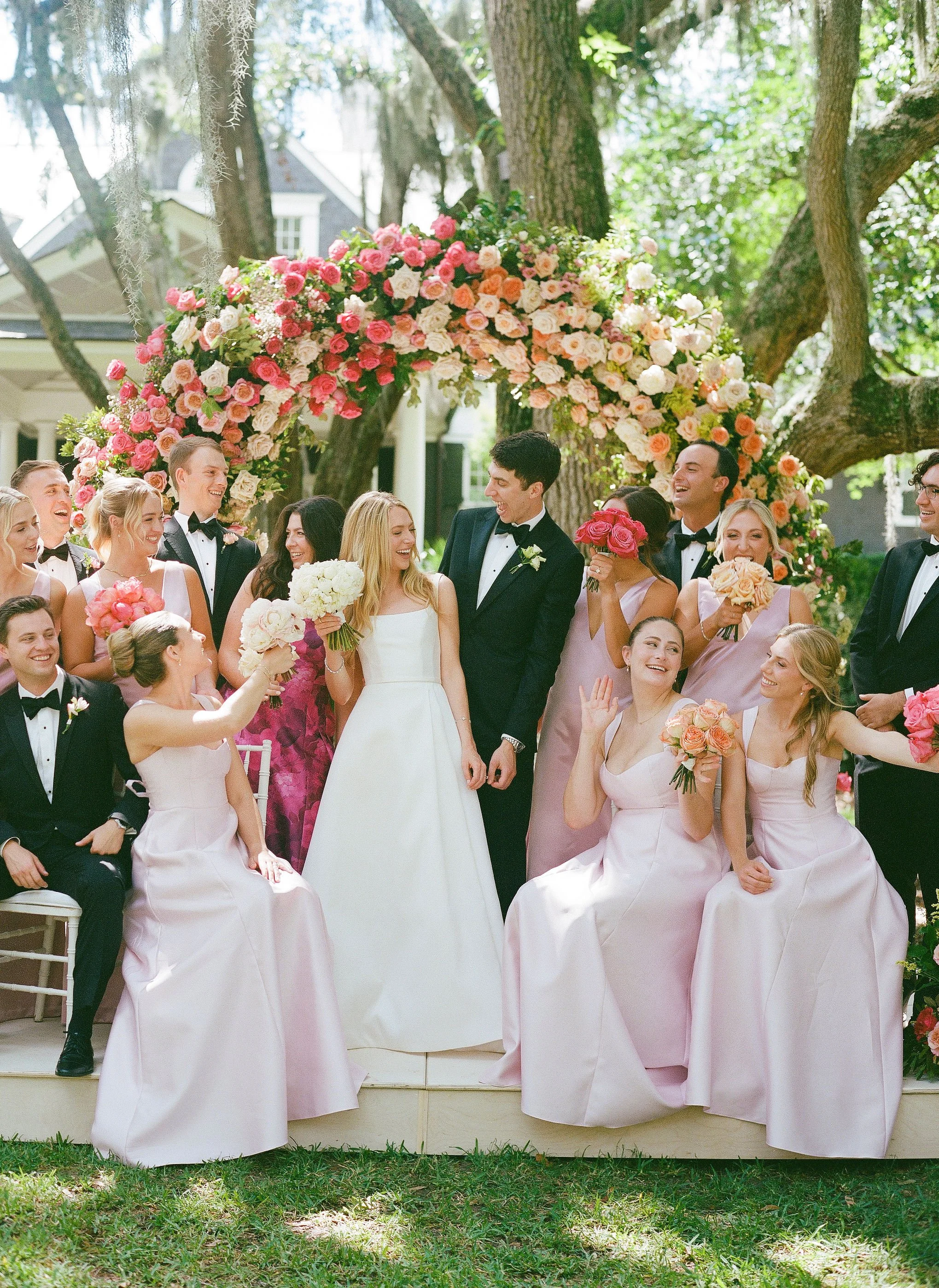
Quick Answer: What Are the Best East Coast Destination Wedding Locations?
Some of the strongest East Coast destination wedding locations include Charleston, Kiawah Island, Savannah, the Outer Banks, Newport, Palm Beach, and select mountain or countryside destinations along the Eastern U.S.
The best choice depends on the couple’s guest list, travel preferences, venue style, season, and the kind of wedding weekend they want to create. Charleston is a natural fit for couples who want history, hospitality, architecture, restaurants, and a walkable guest experience. Kiawah Island is better suited for couples who want privacy, coastal scenery, resort-style pacing, and a more contained weekend.
The right destination should make the celebration feel more natural, not more complicated.
Why Choose an East Coast Destination Wedding?
A destination wedding is not defined only by distance. It is defined by the experience guests enter into.
An East Coast destination wedding allows couples to create a weekend that feels transportive while still remaining relatively accessible for many U.S.-based guests. It can offer coastline, historic architecture, private estates, mountain views, resort settings, acclaimed restaurants, and strong hospitality cultures without requiring passports, customs, international vendor coordination, or long-haul travel.
That does not mean a domestic destination wedding is simple. In many cases, it still involves lodging strategies, transportation plans, welcome events, weather contingencies, guest communication, vendor coordination, production timelines, and thoughtful design development across several days.
The benefit is that the destination can feel immersive while the travel remains more manageable. Guests can arrive on Thursday or Friday, settle into the setting, attend a welcome party, enjoy the destination on their own, and move through the weekend with ease when the planning has been handled properly.
For couples comparing domestic and international celebrations, all destination weddings deserve the same level of intention. A U.S. destination can feel just as memorable as a wedding abroad when the weekend is shaped around care, rhythm, and place.
What Makes Charleston a Strong East Coast Wedding Destination?
Charleston has a very specific kind of pull.
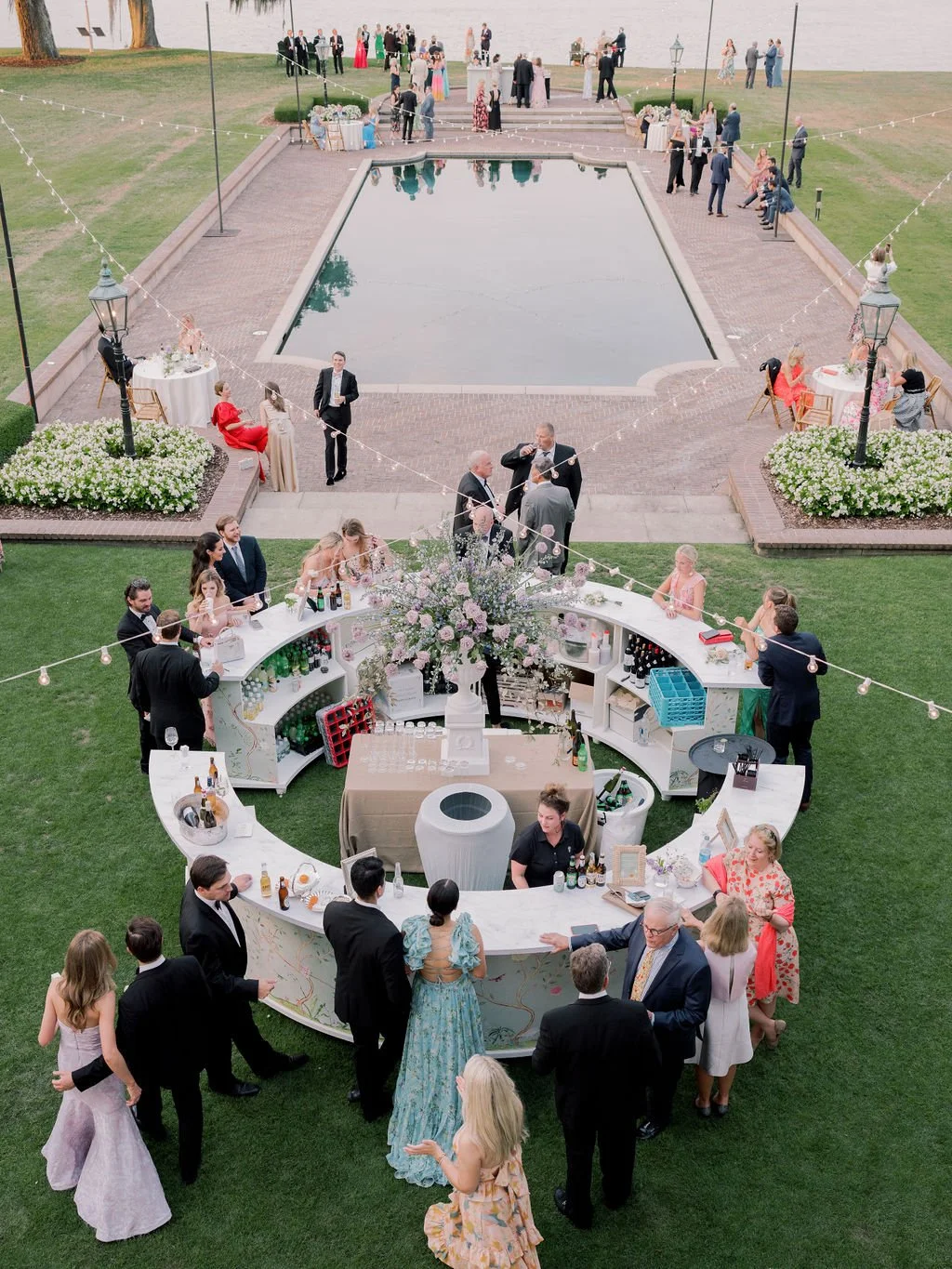
The city feels layered. Historic homes sit behind iron gates. Church bells move through the air. Dinner can unfold in a private garden, a restored ballroom, a waterfront tent, or a candlelit room tucked above a quiet street. Guests can walk to coffee, shop between events, make dinner reservations, and feel like they are part of the city rather than being dropped into a single venue.
For couples considering an East Coast destination wedding, Charleston destination wedding planning works especially well when the goal is a layered guest experience. The city offers strong hotel options, beautiful restaurants, historic settings, coastal access, and enough activity to make the weekend feel full without overscheduling every hour.
Charleston is a strong fit for couples who want warmth, history, architecture, refined hospitality, and a destination that feels easy for guests to enjoy independently. It is also a natural choice for multi-day weddings because each event can have its own tone. A welcome party might feel relaxed and coastal. The wedding day might feel more formal. The farewell brunch can be soft, familiar, and unhurried.
For a deeper look at why the city continues to stand apart, read why Charleston is a strong U.S. destination wedding location.
Why Kiawah Island Works for a More Private Coastal Wedding Weekend
Kiawah Island offers something different from Charleston.
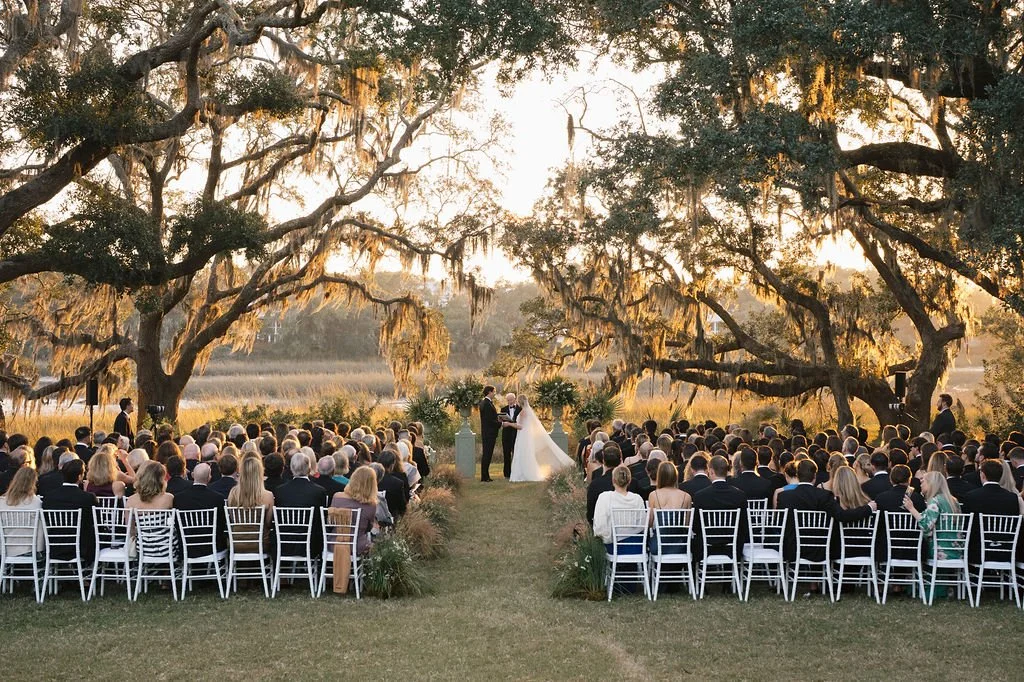
Where Charleston gives guests texture, movement, restaurants, and city charm, Kiawah gives them quiet. The pace slows down. The air shifts. There are marshes, dunes, beaches, golf courses, oak trees, and long stretches where the setting does a great deal of the work before a single flower is placed.
For couples who want the wedding weekend to feel tucked away, Kiawah Island wedding planning can be a strong fit. It works especially well for multi-day celebrations where guests are meant to stay close, move through the weekend together, and feel held within one destination.
Kiawah is less about giving guests a city to explore and more about creating a contained world for the weekend. That can be incredibly powerful when planned well. Welcome gifts can feel local and useful. Transportation can be organized with quiet precision. Rehearsal dinners, beachside gatherings, tented receptions, and farewell moments can all feel connected by the same coastal rhythm.
It is a strong choice for couples who want privacy, natural beauty, resort-style flow, and a more removed setting without being far from Charleston. For additional destination context, read why Kiawah Island is a strong Southeast wedding destination.
What Other East Coast Destinations Should Couples Consider?
Charleston and Kiawah are two of the strongest East Coast options for couples who want hospitality, design range, and multi-day guest flow, but they are not the only destinations worth considering.
Savannah can be a beautiful choice for couples drawn to historic squares, old-world texture, moss-draped trees, and a Southern city experience with a slightly more romantic, dreamlike pace.
The Outer Banks may work for couples who want a relaxed beach weekend, coastal homes, lighthouse scenery, and a more casual rhythm. It is less formal by nature, which can be exactly right for the couple who wants the weekend to feel easy, breezy, and family-centered.
Newport is a strong fit for couples who love coastal estates, sailing culture, classic New England design, and a sense of heritage. It lends itself to crisp linens, structured timelines, and a wedding weekend that feels polished without losing its coastal ease.
Palm Beach works well for couples who want warm weather, resort polish, color, architecture, and a more stylized guest experience. It can feel playful and highly designed while still maintaining a strong hospitality foundation.
The Asheville and Blue Ridge region can be compelling for couples who want mountain scenery, seasonal color, estate venues, and a quieter nature-driven escape. The atmosphere can shift beautifully by season, which makes timing especially important.
The point is not to choose the prettiest place on a list. The point is to understand what kind of weekend each destination naturally supports.
How Should Couples Choose the Right East Coast Destination?
Start with how you want the weekend to feel.
Do you want guests walking through a historic city between events, or would you rather have everyone tucked into one resort setting? Do you want ocean air, garden courtyards, mountain views, estate lawns, or a ballroom with a sense of history? Do you want privacy, convenience, scenery, food, design flexibility, or guest activities to lead the decision?
Then look at the practical side.
Where are most guests traveling from? What airports will they use? Will they need rental cars? Can they stay close to the wedding events? Is there enough lodging at the right level? Will transportation be simple, or will it need to be heavily managed? Does the destination support the season you are considering?
A destination should make the weekend feel more aligned, not more strained. A beautiful setting can become difficult quickly if guests are spread too far apart, transportation is unclear, or the venue cannot support the production level required.
This is where early planning matters. The destination, venue, lodging plan, transportation structure, design direction, and guest communication should be considered together. When they are handled separately, couples often end up solving problems that could have been avoided in the beginning.
For more on this kind of planning, read designing a seamless guest journey and designing the guest experience over a wedding weekend.
What Type of East Coast Wedding Experience Fits Your Style?
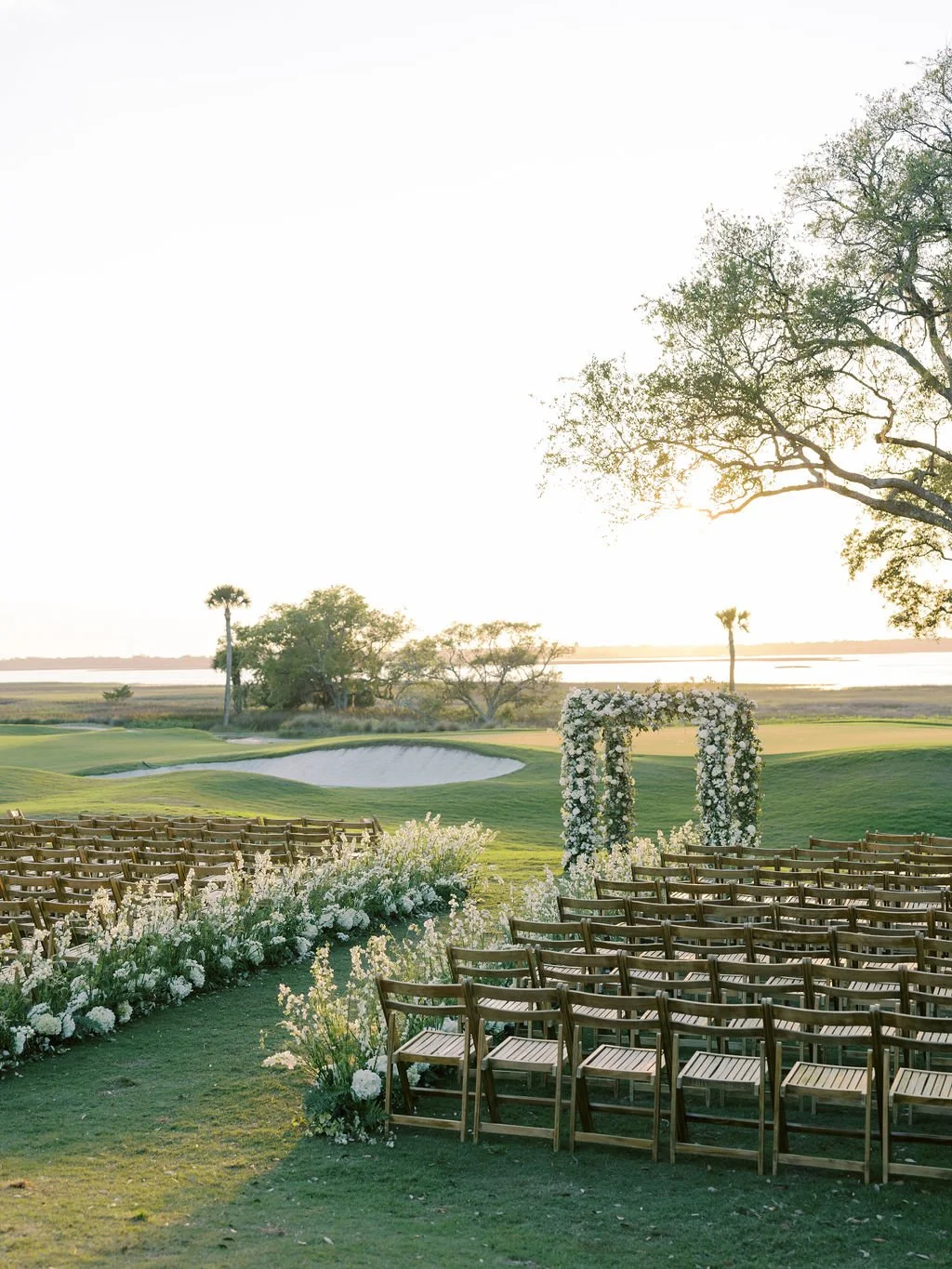
Different East Coast destinations naturally lend themselves to different kinds of wedding weekends. For couples drawn to a historic and refined setting, Charleston or Savannah can be a beautiful fit, offering architecture, hospitality, walkability, and Southern charm. If privacy and a coastal atmosphere are the priority, Kiawah Island or Palm Beach may better support the experience, with resort flow, quiet scenery, and a more elevated guest rhythm. Couples who want a relaxed beach weekend may feel more aligned with the Outer Banks or select coastal towns, where beach houses, lighthouse views, and a casual pace shape the celebration. For those drawn to classic New England elegance, Newport offers coastal estates, sailing culture, and historic venues with a polished sense of place. A mountain or countryside escape, such as Asheville or the Blue Ridge region, works well for couples who want scenic views, seasonal atmosphere, and nature-driven design.
The best East Coast destination wedding location is rarely chosen by photographs alone. It should support the couple’s priorities with the least friction. A highly social guest list may love Charleston because there is so much to do between events. A family-centered group may prefer Kiawah because the weekend can feel contained, calm, and easy to navigate. A style-forward couple may be drawn to Palm Beach for its color, architecture, and resort polish, while a couple with strong ties to the Northeast may feel most at home in Newport.
The destination should feel like an extension of the couple and the experience they want to host. It should support the guest list, the pacing, the design direction, and the way people will actually move through the weekend.
Why Guest Travel and Lodging Should Shape the Destination Decision
Guest experience begins before anyone sees the ceremony aisle.
It begins when the save-the-date arrives and guests start wondering how to get there, where to stay, what to pack, and whether the weekend will be easy to navigate. For an East Coast destination wedding, travel and lodging are not background details. They shape the entire tone of the celebration.
Airport access matters. Hotel blocks matter. Rental home strategies matter. So does the distance between the welcome party, ceremony, reception, after-party, and farewell brunch.
Some destinations allow guests to move independently. Charleston, for example, can work beautifully when events are clustered around downtown hotels, restaurants, and walkable experiences. Other destinations, such as Kiawah, often benefit from stronger transportation planning because guests may be staying across resort properties, rental homes, or private residences.
Neither structure is better. They simply require different planning.
A location can be stunning and still create guest friction if arrival and lodging are not clear. The planning process should make the destination feel effortless before guests even arrive.
How Seasonality Affects East Coast Destination Weddings
Seasonality should never be an afterthought.
Charleston and Kiawah often have strong appeal in spring and fall, when outdoor events, tenting, and guest movement can feel more comfortable. Coastal and island destinations require a thoughtful eye toward weather patterns, heat, humidity, rain plans, and hurricane-season considerations. Mountain destinations can change dramatically by season, with spring blooms, summer greenery, autumn color, and winter quiet each creating a different atmosphere.
Newport often lends itself beautifully to late spring, summer, and early fall. Palm Beach may appeal to couples seeking warm-weather elegance during months when other East Coast destinations feel cooler or less predictable.
Season affects more than photographs. It affects guest attire, transportation timing, tenting needs, floral availability, menu direction, ceremony comfort, and how long guests will want to linger outdoors.
This is why couples should think beyond the date itself. A destination may be lovely year-round, but the best wedding weekends are planned around how the season will actually feel.
Why East Coast Destination Weddings Still Need Full-Service Planning
A domestic destination wedding may not require passports, but it still requires structure.
Couples are often planning from another state. Guests are arriving from multiple cities. Vendors may be local, regional, or traveling in. Lodging must be coordinated. Transportation needs to be thought through. The event timeline has to move across multiple days. Design decisions must fit the location, the venue, the weather, and the production plan.
Full-service planning becomes especially important when the wedding is more than one day. A welcome party, ceremony, cocktail hour, reception, after-party, recovery brunch, and guest activities all need to feel connected without becoming overproduced.
A planner helps protect the couple from making decisions in the wrong order. Venue before guest count. Lodging before transportation. Season before tenting. Design before rental sourcing. Guest flow before final timeline.
Through Reagan Events’ full-service planning process, we look at the full weekend from the beginning. Our event planning and management work is not limited to the wedding day. It includes the decisions that make the weekend feel calm, considered, and beautifully managed from the first conversation through execution.
Reagan Events Perspective: Choose the Destination Around the Experience, Not Just the Setting
At Reagan Events, choosing a destination begins with understanding the full wedding weekend.
Charleston, Kiawah Island, Savannah, Newport, Palm Beach, the Outer Banks, and mountain destinations each create a different kind of experience. The setting matters, but so does the way guests arrive, gather, move, celebrate, rest, and remember the weekend.
The strongest East Coast destination weddings feel connected to place while still feeling deeply personal to the couple. The food makes sense. The welcome experience feels useful and warm. The ceremony location supports the emotion of the day. The reception feels intentional in its setting, not simply placed there. The guest flow is clear enough that no one has to wonder what comes next.
For couples still exploring direction, our destination wedding portfolio can help show how different settings create different kinds of atmosphere. You may also find it helpful to read how to personalize your destination wedding as you begin thinking beyond place and into meaning.
Choosing an East Coast destination wedding location is about more than scenery. It is about the kind of weekend you want to host, the way you want your guests to feel, and the memories you want to shape with care.
Frequently Asked Questions
What are the best East Coast destinations for a wedding?
Some of the best East Coast destination wedding locations include Charleston, Kiawah Island, Savannah, the Outer Banks, Newport, Palm Beach, and select mountain or countryside destinations. The best choice depends on the couple’s guest list, travel preferences, wedding style, season, and desired weekend experience.
Is Charleston a good destination wedding location?
Yes. Charleston is a strong East Coast destination wedding location for couples who want history, architecture, hospitality, coastal influence, restaurants, and a guest-friendly city experience. Couples planning a Charleston celebration can explore Reagan Events’ Charleston destination wedding planning service.
Is Kiawah Island good for a destination wedding?
Kiawah Island is a strong fit for couples who want a more private, coastal, resort-style wedding weekend. It offers a quieter destination feel while still being close to Charleston. Couples can learn more through Reagan Events’ Kiawah Island wedding planning service.
Is an East Coast destination wedding easier than an international wedding?
An East Coast destination wedding may be easier for many U.S.-based guests because it does not require passports or international travel. However, it can still involve complex planning around accommodations, transportation, vendors, weather, event flow, and the full multi-day guest experience.
How do we choose between Charleston and Kiawah for a wedding?
Charleston is often a better fit for couples who want history, walkability, city energy, restaurants, architecture, and a layered guest experience. Kiawah is often a better fit for couples who want privacy, coastal scenery, resort-style pacing, and a more contained wedding weekend.
Do we need a planner for an East Coast destination wedding?
A planner is especially helpful for an East Coast destination wedding because the planning involves more than the wedding day. Guest travel, lodging, transportation, vendor communication, event flow, design direction, and weekend pacing all need to work together. Reagan Events’ U.S. destination wedding planning service helps couples create a celebration that feels seamless from arrival to farewell.
Final Reflection
An East Coast wedding can still feel like a true destination experience when the weekend is planned with intention.
Whether you are drawn to Charleston’s historic charm, Kiawah Island’s coastal privacy, or another destination along the coast or countryside, the right planning structure matters. Reagan Events helps couples shape domestic destination weddings that feel refined, personal, guest-centered, and connected to place.
To begin the conversation, inquire with Reagan Events.