
What U.S. Couples Should Know Before Planning a Wedding in Italy
Planning a wedding in Italy from the U.S. often begins with a very clear picture. A long table under cypress trees. A lakefront dinner with candles flickering against the water. A villa courtyard filled with music. Fresh pasta, cold wine, linen, stone, sea air, and the kind of weekend your guests will talk about for years.
And then the questions begin.
How do guests get there? Where should everyone stay? Which region makes the most sense? What does it mean to get legally married in Italy as a U.S. citizen? How do vendor conversations work across time zones? What happens if the venue is beautiful, but the transportation is complicated? What if the weekend feels lovely in photos, but difficult for guests in practice?
That is where planning a destination wedding in Italy becomes much more than choosing a beautiful venue.
For U.S.-based couples, the real work is building a bridge between the vision and the reality on the ground. Italy offers extraordinary beauty, but the experience only feels effortless when the structure beneath it is clear. At Reagan Events, our Italy destination wedding planning service is designed to help couples navigate that distance with calm, full-service support, thoughtful design, and the kind of guest experience that feels cared for from the first save-the-date to the final farewell.
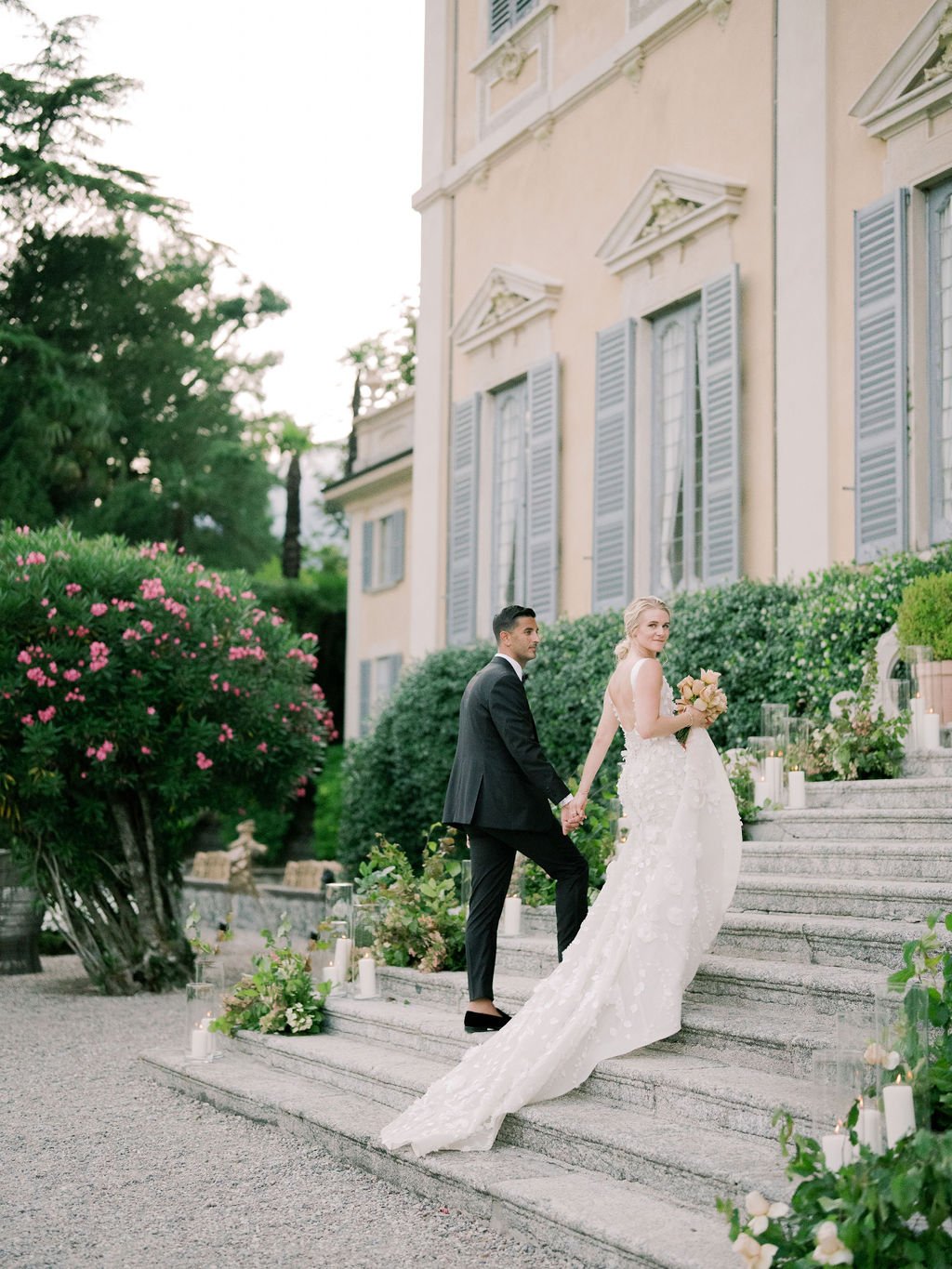
Quick Answer: What Should U.S. Couples Know Before Planning a Wedding in Italy?
U.S. couples planning a wedding in Italy should think beyond the venue first. The earliest decisions should include choosing the right region, understanding guest travel, planning around time zones, clarifying symbolic versus legal ceremony needs, building a realistic wedding weekend timeline, and assembling vendors who can support the level of hospitality, design, and service the couple wants.
A destination wedding in Italy can feel seamless when the planning structure is built early. Reagan Events helps U.S.-based couples bridge the distance with full-service planning, vendor coordination, guest experience support, and design that feels connected to the destination. Learn more about Reagan Events’ Italy destination weddings.
Why Planning a Wedding in Italy From the U.S. Requires a Different Approach
Planning abroad requires a different rhythm than planning at home.
There are time zones to consider, vendor communication styles to understand, travel decisions to make, and guest expectations to manage before anyone steps onto Italian soil. A wedding in Charleston, Kiawah, or another U.S. destination may still involve layers of planning, but Italy adds an entirely different set of details: regional access, language, transportation, local customs, paperwork awareness, and venue-specific production realities.
The destination also affects the full weekend, not just the wedding day.
Lake Como does not move like Tuscany. Capri does not plan like Rome. Amalfi does not feel like Florence. Sicily brings a different rhythm entirely. Each region has its own pace, access points, hotel strategy, vendor culture, guest movement, and visual language.
For U.S. couples, the role of the planner is not simply to “coordinate from afar.” It is to translate the couple’s priorities into a plan that works beautifully in Italy. That means understanding what can be managed remotely, what requires local insight, what needs more lead time, and what should be clarified long before guests book flights.
Planning abroad should not feel like guessing from a distance. The right structure creates clarity before the couple arrives, so the destination can feel personal, composed, and beautifully held once everyone is on the ground.

Choose the Italy Region Before You Choose the Venue
Italy is not one wedding experience.
A villa in Lake Como creates a very different weekend from a countryside estate in Tuscany or a coastal celebration in Capri. Before falling in love with a venue photo, couples should think about what they want the full experience to feel like.
Lake Como often feels elegant, dramatic, and villa-driven. The water, mountains, historic properties, and boat arrivals give the weekend a cinematic quality. It can be extraordinarily refined, but it also requires careful thinking around guest movement, dock access, weather plans, and where each part of the weekend should unfold.
Tuscany feels warmer, slower, and more immersive. The landscape does much of the talking. Vineyards, olive groves, long lunches, stone villas, and golden evening light create a sense of place that is deeply felt. For couples who want the weekend to feel grounded, generous, and relaxed without losing polish, Tuscany can be a natural fit.
The Amalfi Coast and Capri bring coastal drama, color, and Mediterranean light. They are stunning, but they require logistical precision. Roads, ferries, luggage movement, venue access, and guest timing matter here. A beautifully designed weekend in these regions must also be a well-managed one.
Rome and Florence offer history, architecture, art, and cultural depth. They work well for couples who want guests to feel surrounded by the life of the city, with welcome events, private dinners, guided experiences, and wedding settings that carry centuries of atmosphere.
Sicily feels layered, old-world, coastal, and deeply textured. It can be extraordinary for couples who want something distinctive, but it also benefits from an especially thoughtful approach to guest travel and event pacing.
The right region gives the weekend its emotional direction. It shapes how guests arrive, how they move, how they dress, how the design feels, what the food becomes, and how the celebration is remembered.
Think About the Guest Journey Before the Wedding Day
A destination wedding asks more of guests.
They are taking time away, booking international travel, packing for multiple events, adjusting to a new time zone, and trusting that the details will be clear once they arrive. That makes the guest journey one of the most important pieces of planning a wedding in Italy from the U.S.
Guests should know how to get there, where to stay, how to move between events, what to wear, when to arrive, and what to expect. That information should not come in fragments. It should be organized, clear, and gracious.
Hotel strategy matters. So do arrival days, airport access, luggage considerations, welcome gifts, dress guidance, local terrain, transportation, farewell timing, and the amount of downtime built into the weekend. Guests should feel informed, but not over-managed.
Italy weddings often benefit from a thoughtful multi-day structure because guests have already made the journey. A welcome dinner, rehearsal gathering, wedding day, and farewell brunch can give the weekend a natural arc. The key is pacing. More events do not automatically create a better experience. Better moments do.
We talk more about this kind of hospitality in Designing a Seamless Guest Journey in Multi-Day Destination Weddings, because guest movement is not a side detail. It is part of the design. For Italy specifically, planning a multi-day wedding in Italy requires an even closer look at regional flow, travel fatigue, event timing, and how much structure guests truly need.
The goal is not to fill every hour. The goal is to make guests feel gently carried through the experience.
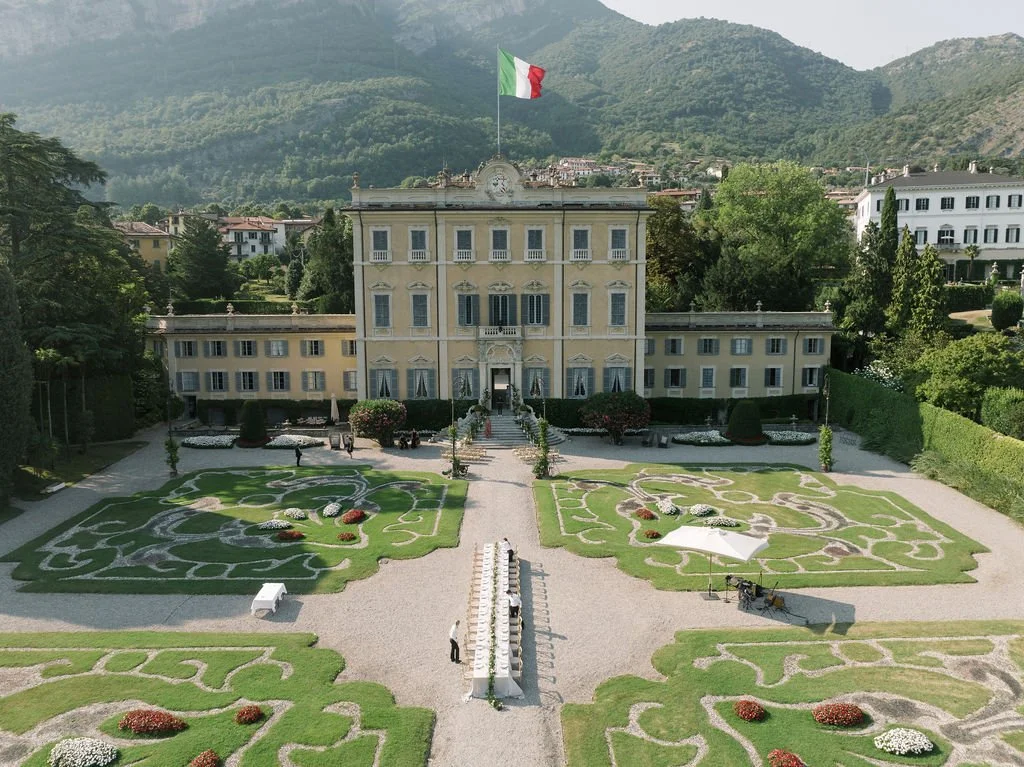
Understand the Travel Basics for U.S. Guests
Travel requirements can change, so couples should be careful about relying on assumptions.
Before sending final guest guidance, U.S. couples should direct guests to official sources for current passport, entry, and travel information. The U.S. Department of State Italy travel page is an important place to begin. The official European Union ETIAS page should also be checked when discussing upcoming European travel authorization requirements. The EU’s ETIAS page currently states that ETIAS is expected to start operations in the last quarter of 2026.
This does not mean a wedding website needs to become a government resource. It does mean guest communication should be practical and current.
Couples should think through which airports make sense, how long transfers may take, whether guests will need private cars, whether older guests need additional assistance, and whether the venue is simple or complicated to reach after a long flight. For remote properties, arrival and departure logistics may need more structure. If Ubers are not readily available, if ferries are involved, or if guests are arriving at different times, that should be addressed early.
A beautiful destination can feel frustrating if guests are left to figure out the last hour of travel on their own. Thoughtful planning makes the arrival feel considered before the celebration even begins.
Decide Early Whether the Ceremony Will Be Symbolic, Religious, or Legally Binding
One of the first ceremony decisions for U.S. couples getting married in Italy is whether the ceremony will be symbolic, religious, or legally binding.
Many couples choose to complete the legal marriage process at home and host a symbolic ceremony in Italy. This can allow the ceremony to feel personal and meaningful without making the wedding weekend dependent on legal paperwork abroad. Other couples prefer a legally binding ceremony in Italy, which may involve specific documents, timing, translations, appointments, or municipality-specific requirements. Religious ceremonies may involve separate requirements as well.
This is where couples should be careful. Marriage paperwork in Italy can be detailed, and requirements can vary. The U.S. Embassy’s Getting Married in Italy page is a helpful starting point, and couples should confirm current requirements with the appropriate local authorities, consulate, and legal advisors as needed.
The planner’s role is to organize the planning process, protect the timeline, and help identify the conversations that need to happen early. The planner should not be treated as the final legal authority.
The ceremony decision should happen near the beginning because it affects the planning flow. Even if a couple chooses a symbolic ceremony, that choice should be intentional and clearly communicated.
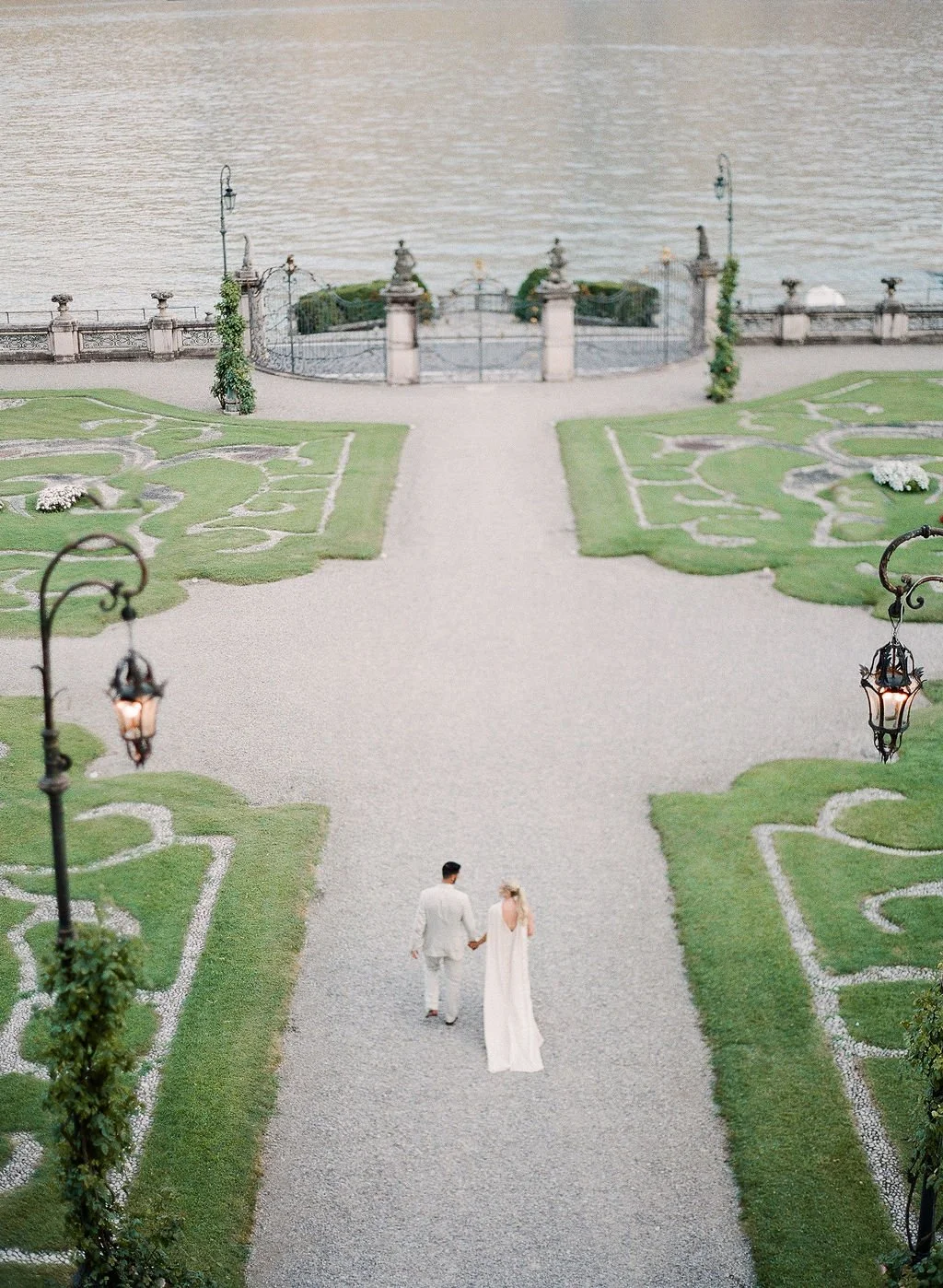
Build the Planning Process Around Time Zones and Communication
One of the quiet complexities of planning a wedding in Italy from the U.S. is communication.
A question sent at noon in Charleston may arrive at the end of the business day in Italy. A vendor response may come overnight. A production conversation may need to account for different working hours, holidays, language nuances, and decision-making rhythms.
This is normal, but it needs structure.
Contracts, site visits, tastings, production calls, design approvals, guest communication, and vendor meetings should not live scattered across inboxes and calendars. Couples need to know who owns each conversation, what decisions are pending, when follow-up is expected, and what needs to be translated into action.
This is one of the most valuable parts of Reagan Events’ full-service planning process. Our role is to centralize the work so the couple is not personally managing every international detail while also trying to make aesthetic, financial, family, and hospitality decisions.
Calm planning does not happen by accident. It comes from clear communication, strong systems, and a team that understands what needs to be decided now, what can wait, and what cannot be left vague.
Know That Italian Vendor Culture May Feel Different From U.S. Vendor Culture
Italian vendor culture may not always feel exactly like U.S. vendor culture. That is not a problem. It is simply something to understand.
Planning processes, contract timing, service expectations, response rhythms, production standards, and communication styles may differ. Some vendors work in a more regional or relationship-based way. Some decisions that feel standard in the U.S. may need additional explanation abroad. Some local customs should be honored rather than forced into a U.S. planning model.
The goal is not to make Italy behave like the United States. The goal is to protect the couple’s standards while respecting the destination.
This is where local knowledge, bilingual communication, and experienced vendor coordination become especially important. Couples need help understanding what is standard, what is negotiable, what should be clarified in advance, and what could create a problem later if left unspoken.
Through our event planning and management work, Reagan Events manages vendor communication, production details, timelines, and creative partner alignment so the experience feels cohesive from both sides of the Atlantic.
A strong vendor team should not simply be talented. They should understand the level of hospitality, discretion, pacing, and execution the weekend requires.
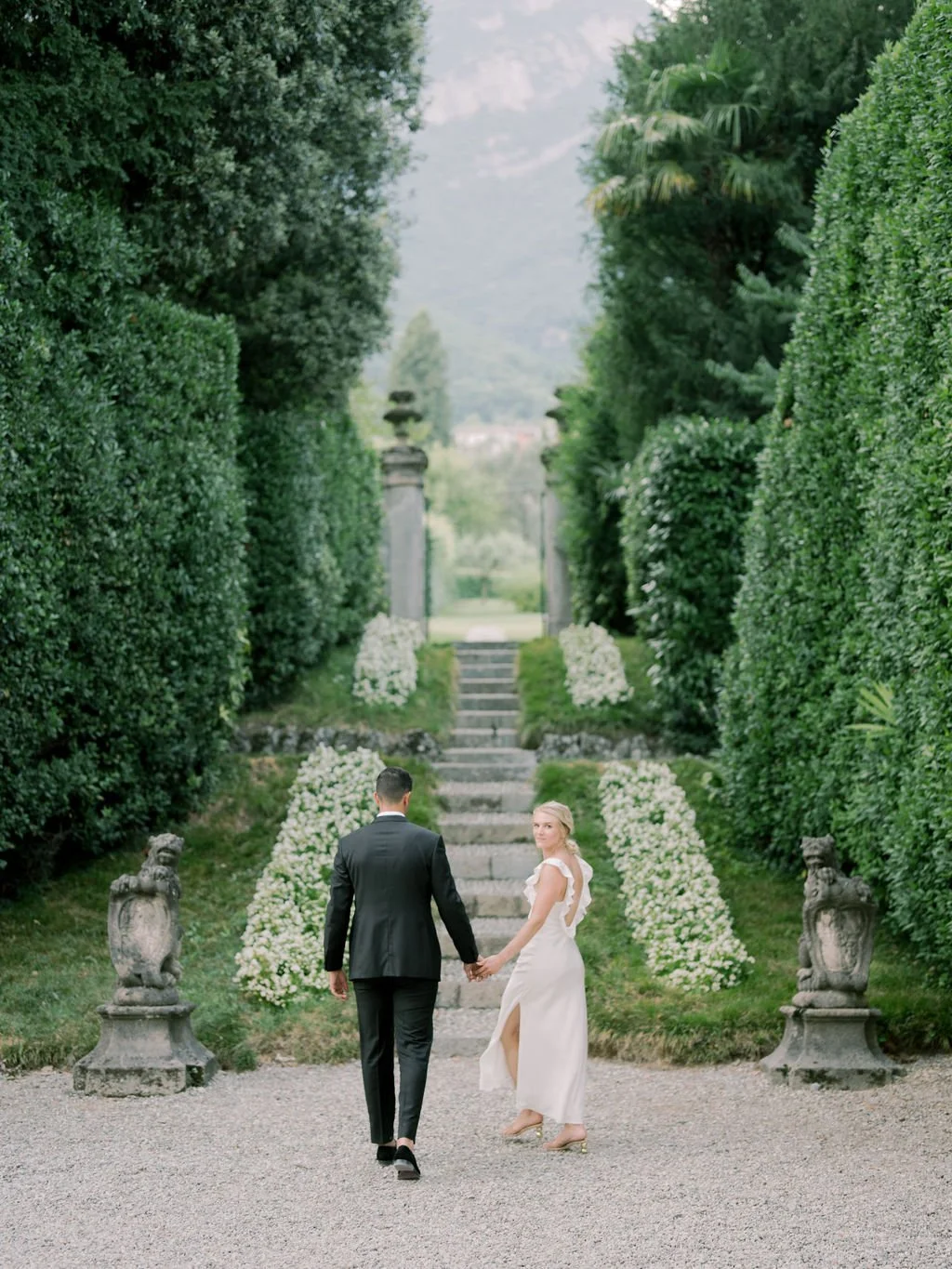
Plan the Weekend, Not Just the Wedding Day
When guests travel internationally, the wedding day is only one piece of the memory.
The welcome event sets the tone. The rehearsal dinner creates intimacy. The wedding day carries the emotional center. The farewell brunch gives the weekend a graceful close. Local experiences, boat rides, vineyard lunches, guided walks, or quiet afternoons by the pool can give guests a deeper sense of place.
But every event should have a reason.
A multi-day Italy wedding should not feel like an itinerary built to prove the destination was worth the flight. It should feel natural. Guests need time to settle in, time to enjoy where they are, and time to be present with the couple.
The timeline should support guest energy, not just tradition. If guests are arriving jet-lagged, the first gathering should account for that. If a venue requires a long transfer, the schedule should not pretend that travel time does not exist. If the wedding day will run late, the farewell event should feel generous rather than punishing.
We explore this more in Designing the Guest Experience Over a Wedding Weekend, because the best wedding weekends are not only beautiful. They are comfortable, intuitive, and well-paced.
Design Should Feel Rooted in Italy, Not Themed Around Italy
Italy does not need to be over-explained.
The stone, linen, light, water, landscape, architecture, food, and history already create a strong atmosphere. The design should respond to that setting without becoming too literal.
A Lake Como wedding may lean into architectural refinement, candlelight, tailored details, and the quiet drama of the water. Tuscany may call for organic textures, vineyard tones, long tables, seasonal ingredients, and a sense of countryside warmth. Capri and Amalfi may bring coastal light, crisp linens, citrus, sea views, and a more glamorous rhythm.
But the couple’s story should still remain central.
A wedding in Italy should not look like a themed dinner about Italy. It should feel like the couple belongs in that place, at that moment, surrounded by details that make sense. The setting should shape the design, but not overpower the people being celebrated.
At Reagan Events, our approach to personalizing your destination wedding begins with place, but it never ends there. We consider the architecture, the terrain, the cuisine, the guest list, the family dynamics, the emotional tone, and the way each event should feel as guests move through the weekend.
You can see more of this destination-focused work in our Destination Weddings Portfolio.
Give Yourself More Planning Time Than You Think You Need
International weddings involve more layers than local weddings.
Venue availability, accommodations, guest travel, vendor selection, design production, menu planning, transportation, ceremony decisions, and event flow all benefit from a longer planning runway. Waiting until every decision feels urgent rarely creates better choices. It usually creates fewer options and more pressure.
A planner should ideally be brought in before the venue is finalized. This is especially true in Italy, where a venue’s beauty does not always tell the full story. Couples need to understand access, rain plans, guest capacity, vendor flexibility, transportation, noise restrictions, production limitations, hotel proximity, and how the venue functions across multiple events.
We have written before about hiring your planner before choosing a venue, and that advice becomes even more important abroad.
A longer runway gives the couple more time to choose the right destination, build the right vendor team, communicate clearly with guests, and make design decisions that feel considered rather than rushed.
Reagan Events Perspective: Italy Should Feel Effortless, But It Should Not Be Planned Casually
An Italy wedding should feel immersive, personal, and beautifully managed. Guests should arrive with clarity. The couple should feel present. The design should belong to the setting. The vendor team should understand the standard. The weekend should have a rhythm that feels gracious rather than overly scheduled.
That kind of ease requires real planning.
At Reagan Events, planning an Italy wedding begins with understanding the full experience: the couple’s vision, the destination’s natural rhythm, the guest journey, the vendor team, the design language, and the details that need to be handled before anyone arrives.
Italy gives couples an extraordinary setting. The planning structure is what allows the celebration to feel calm, personal, and beautifully held.
Whether you are drawn to Lake Como, Tuscany, Capri, the Amalfi Coast, Florence, Rome, Venice, or Sicily, the right planning partner matters. If you are beginning to plan from the U.S., explore our Italy destination wedding planning service, learn more about our planning process, or inquire with Reagan Events to begin the conversation.
FAQs About Planning a Wedding in Italy From the U.S.
Can U.S. couples get married in Italy?
Yes, U.S. couples can get married in Italy, but the process can involve specific documents, timing, and local requirements. Most couples choose a symbolic ceremony in Italy and complete the legal marriage process at home, while some pursue a legally binding ceremony in Italy. Couples should always confirm current requirements with official sources and the appropriate local authorities.
Is it hard to plan a wedding in Italy from the U.S.?
It can be complex, but it does not have to feel overwhelming with the right planning structure. The biggest challenges are usually distance, time zones, vendor communication, guest logistics, travel planning, and understanding regional differences. A planner can help organize these pieces so the couple is not managing every detail alone.
How far in advance should U.S. couples start planning an Italy wedding?
U.S. couples should begin as early as possible, especially for a sophisticated destination wedding with multiple events. Venue availability, guest travel, accommodations, vendor selection, design planning, and legal or symbolic ceremony decisions all benefit from a longer planning runway.
What is the best region in Italy for a destination wedding?
The best region depends on the couple’s vision and guest experience. Lake Como often feels elegant, dramatic, and villa-driven. Tuscany feels warm, immersive, and countryside-focused. Amalfi Coast and Capri feel coastal and cinematic. Rome, Florence, Venice, and Sicily each offer their own atmosphere, logistics, and cultural experience.
Do guests need a visa to travel to Italy for a wedding?
Travel requirements can change, so guests should always check official sources before booking. U.S. travelers should review current entry, passport, and travel guidance from the U.S. Department of State Italy travel page and official European travel resources such as ETIAS when applicable.
Do we need an Italian destination wedding planner?
An Italian destination wedding planner is especially helpful for U.S. couples because the planning process involves international communication, vendor coordination, guest logistics, travel flow, design direction, and on-site production. Reagan Events’ Italy destination wedding planning service that involves full-time boots on the ground in Italy is designed to help couples create an experience that feels intentional, refined, and well-managed from afar.