
East Coast Destination Wedding Guide: Charleston, Kiawah, and Other Sophisticated Wedding Weekend Locations
An East Coast destination wedding can give your guests the feeling of a true getaway without asking them to cross an ocean. There is still the pleasure of packing a weekend bag, arriving somewhere with a sense of place, and stepping into a few days that feel removed from ordinary life.
But the best destination is not always the prettiest one.
The right location should hold the entire weekend well. It should support the guest list, the travel rhythm, the venue style, the hospitality plan, the weather realities, the design vision, and the way you want people to feel from arrival through farewell brunch.
For some couples, that means the layered ease of Charleston. For others, it is the private, coastal pace of Kiawah Island. For others still, it may be a countryside estate, a seaside mansion, or a resort setting where everything can unfold in one contained place.
At Reagan Events, we think about destination weddings through the full guest experience, not just the location on the invitation.
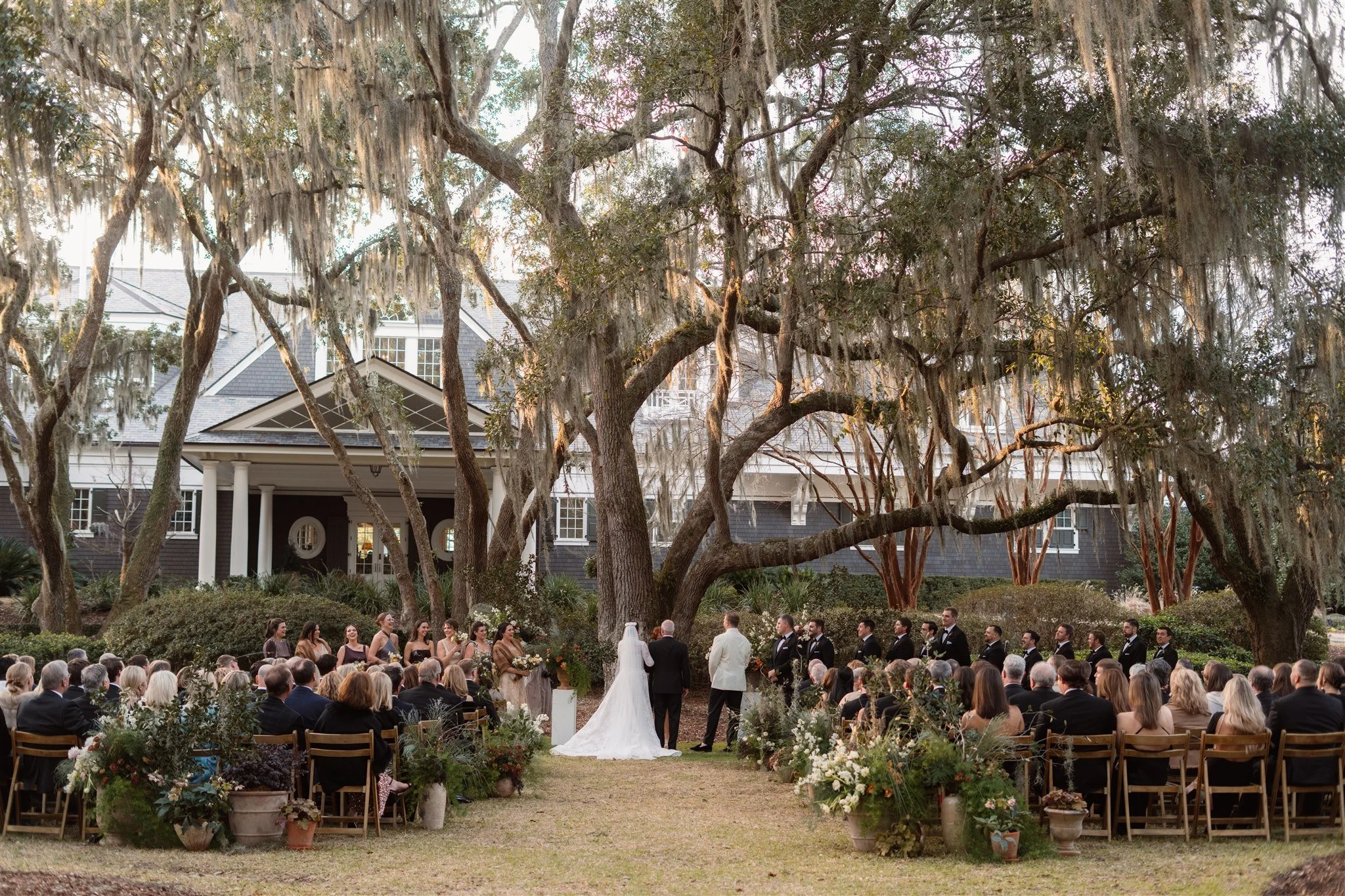
Quick Answer: What are the best East Coast destination wedding locations?
The best East Coast destination wedding location depends on the kind of weekend a couple wants to create.
Charleston is a strong fit for couples who want historic architecture, walkability, warm hospitality, and a city-meets-coastal experience. Kiawah Island works beautifully for private coastal wedding weekends with a calmer, more contained rhythm. Other East Coast wedding destinations, including Charlottesville, Newport, the Hamptons, Sea Island, and Nantucket, may appeal to couples looking for estate, vineyard, seaside, island, or resort-style celebrations.
The right choice should balance beauty with travel access, accommodations, guest movement, local vendor quality, and the overall feeling of the weekend.
Why Choose an East Coast Destination Wedding?
An East Coast destination wedding can feel special without feeling overly complicated. For many U.S.-based guests, the travel is more approachable than an international wedding, but the experience can still feel immersive and distinct.
The East Coast offers a rare variety of settings within a relatively compact stretch of the country. You can have a welcome dinner in a historic city courtyard, a ceremony beneath live oaks, a tented reception by the coast, a vineyard weekend in the Virginia countryside, or a resort celebration where guests settle in and stay put for three days.
That range matters.
A destination wedding is not simply about choosing somewhere beautiful. It is about choosing a place that can support the pacing of the weekend. Guests need to arrive with ease. They need clear information. They need somewhere comfortable to stay. They need to understand how they are getting from the welcome party to the ceremony to brunch the next morning. The setting should add atmosphere, not friction.
This is where a thoughtful destination wedding planning process becomes essential. The location should do more than photograph well. It should make the weekend feel considered.
What Makes Charleston a Strong East Coast Wedding Destination?
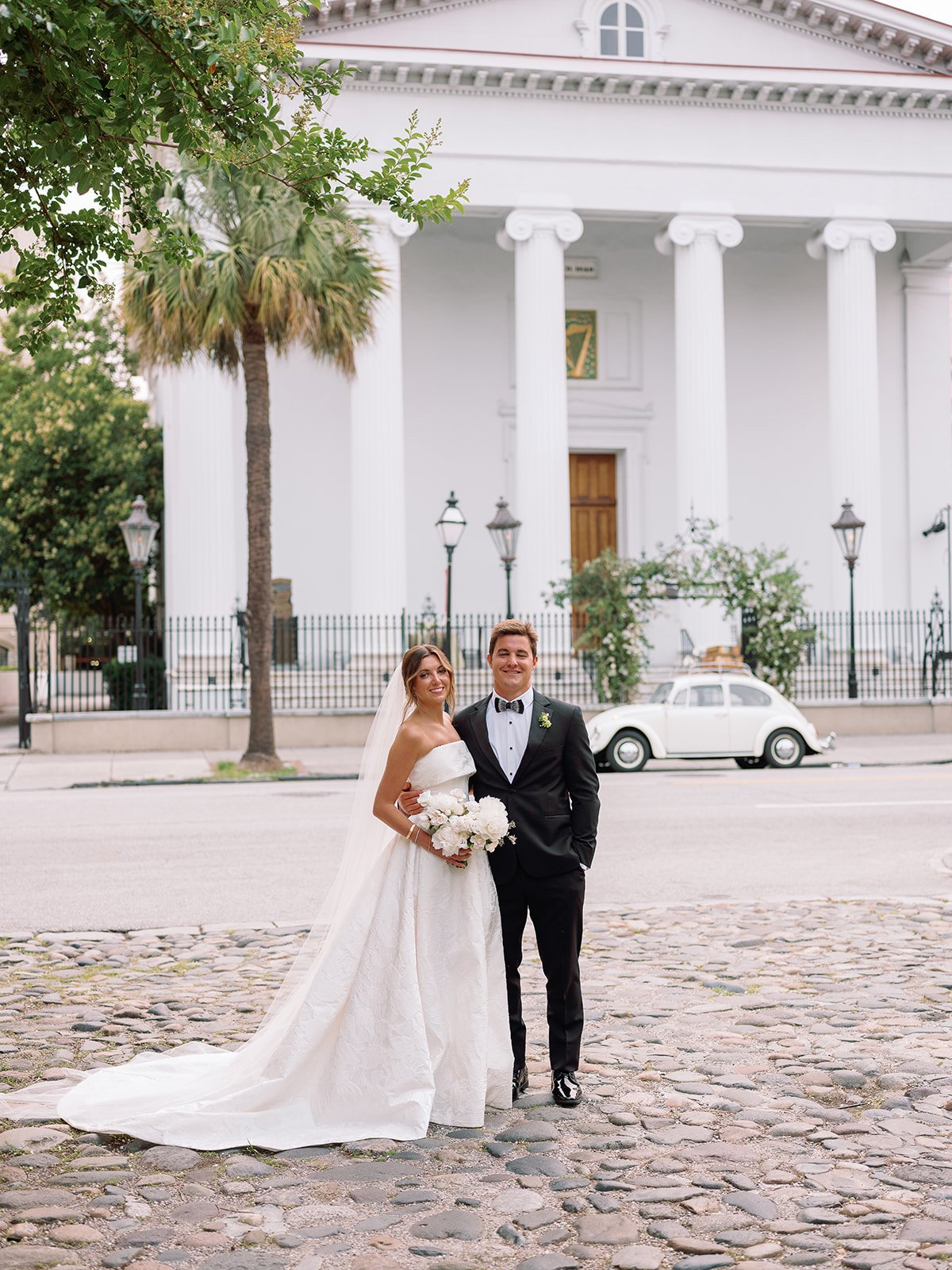
Charleston has a natural way of hosting. The pace is measured, the streets invite wandering, and the city feels layered without requiring explanation. Historic homes, garden courtyards, waterfront views, candlelit dinners, and long lunches all sit comfortably within the same weekend.
For couples considering a Charleston destination wedding, the appeal is often the balance. Guests can enjoy the ease of a city while still feeling surrounded by Lowcountry texture. Restaurants, hotels, shopping, architecture, and water access are all close enough to make the weekend feel full without becoming overly scheduled.
Charleston works especially well for couples who want:
A walkable guest experience.
A strong food and hospitality culture.
Historic architecture and garden settings.
A destination that feels refined but not remote.
Multiple event locations across the weekend.
The city also gives guests something to do beyond the wedding itself. A welcome party might feel completely different from the ceremony setting. A farewell brunch can sit in another pocket of the city. Guests can build in time for galleries, shopping, oysters, cocktails, or quiet walks through shaded streets.
That kind of natural guest rhythm is one reason Charleston remains one of the strongest East Coast wedding destinations. For more on why the city works so well for a wedding weekend, read Why Charleston Is the Ultimate Destination for a U.S. Wedding.
For general visitor context, Explore Charleston is also a helpful resource for guests planning their time in the city.
What Makes Kiawah Island Different From Charleston?
Kiawah Island is only a short distance from Charleston, but it creates an entirely different kind of wedding weekend.
Where Charleston offers city energy, Kiawah offers privacy. Where Charleston gives guests restaurants, shops, and movement, Kiawah encourages them to settle into the landscape. The pace slows. The sound changes. The weekend becomes more contained.
For couples considering a Kiawah Island destination wedding, the appeal is often the feeling of retreat. Ocean air, dunes, marsh grasses, golf courses, resort amenities, and quiet coastal roads create a setting that feels removed without being inaccessible.
Roads create a setting that feels removed without being inaccessible. Kiawah is especially well-suited for couples who want:
A private coastal setting.
A slower guest rhythm.
A contained resort or island experience.
Access to some of the country’s top golf courses for guests who want to turn the wedding weekend into a fuller retreat.
Strong weekend flow from welcome event to farewell brunch.
A setting that feels natural, polished, and deeply relaxed.
It is also a location where logistics must be handled with real intention. Transportation matters. Arrival timing matters. Guest communication matters. If guests are moving between Charleston, Kiawah, hotels, private homes, ceremony locations, and after-party spaces, the weekend needs structure that feels effortless from the outside.
That is the difference between a pretty coastal wedding and a weekend that actually feels calm.
For a deeper look at this destination, read Kiawah Island Wedding: Why It’s One of the Most Exclusive Wedding Destinations in the Southeast. For guest travel and visitor details, Kiawah Island visitor information can also be useful as guests begin to plan their stay.
What Other East Coast Wedding Locations Should Couples Consider?
Charleston and Kiawah are natural anchors for East Coast destination weddings, especially for couples drawn to Southern hospitality, coastal beauty, and multi-day guest experiences. But depending on the tone of the weekend, there are other East Coast locations worth considering.
Charlottesville, Virginia
Charlottesville works well for couples who want countryside estates, vineyard settings, mountain views, and a quieter retreat feeling. The landscape lends itself to long tables, golden-hour cocktails, and weekend pacing that feels intimate without being small. It is a strong fit for couples who want scenery, hospitality, and a sense of privacy without choosing a beach or city.
For guest-facing destination information, Visit Charlottesville is a helpful starting point.
Newport, Rhode Island
Newport brings coastal formality, historic mansions, sailing culture, and classic seaside elegance. It is well suited for couples drawn to old-world architecture, water views, and a more traditional East Coast summer feeling. The experience can feel polished and storied, especially when the venue itself carries a strong sense of place.
Discover Newport offers helpful visitor context for guests traveling to the area.
The Hamptons, New York
The Hamptons are often best for couples who want a private estate-style wedding with summer weekend energy. This is a setting that can feel residential, stylish, and highly personal when handled well. It works best when accommodations, transportation, and guest movement are planned carefully, because the area can become demanding during peak season.
Sea Island, Georgia
Sea Island lends itself to resort-style wedding weekends with coastal privacy, formal service, and a strong sense of guest containment. For couples who want accommodations, dining, recreation, and event spaces to feel connected, a resort setting can simplify the guest experience while still allowing each event to have its own identity.
Nantucket, Massachusetts
Nantucket offers island charm, shingled architecture, summer ease, and a softer sense of intimacy. It is a beautiful fit for couples who want a smaller-feeling destination with character, but the logistics need to be respected. Island travel, seasonal demand, ferry schedules, weather, and accommodations all need to be considered early.
None of these destinations should be chosen because they sound impressive. They should be chosen because they match the guest experience you actually want to create.
How Should Couples Compare East Coast Wedding Destinations?
The best way to compare East Coast wedding destinations is to move beyond the obvious question of what looks beautiful.
Beauty matters, of course. But once you begin planning a full wedding weekend, the more important questions become practical and emotional at the same time.
How will guests arrive?
Where will they stay?
How far will they need to travel between events?
Will the location feel enjoyable for three days, not just one evening?
Does the setting support the design vision?
Are strong vendors available locally, or will the team need to travel?
What happens if the weather shifts?
Can the destination hold a welcome party, ceremony, reception, after-party, and farewell brunch without the weekend feeling forced?
These questions may not feel glamorous in the beginning, but they decide how the wedding feels in real life.
A destination wedding should never leave guests guessing. They should understand where to be, what to wear, how to get there, and what kind of weekend they are stepping into. Overcommunication is not excessive. It is care.
For couples planning multi-day weddings, this level of planning is what allows the weekend to feel relaxed rather than managed. We explored this more fully in Designing a Seamless Guest Journey in Multi-Day Destination Weddings.
City, Island, Estate, or Resort: Which Wedding Weekend Style Fits Best?
Every destination has a natural rhythm. The strongest wedding weekends work with that rhythm rather than fighting it.
A historic city wedding, like Charleston, is often best for couples who want walkability, restaurants, architecture, and guest activity options. It allows the weekend to feel layered. Guests can explore between events, and each gathering can reveal a different side of the destination.
A private island or coastal resort wedding, like Kiawah Island, is better for couples who want privacy, slower pacing, and a contained guest experience. Guests are not moving constantly. The weekend can feel protected, calm, and immersive.
A countryside estate wedding works beautifully for couples who want intimacy, scenery, and a retreat-like feeling. These weddings often feel personal and atmospheric, but they require strong logistical planning because the infrastructure is not always built in.
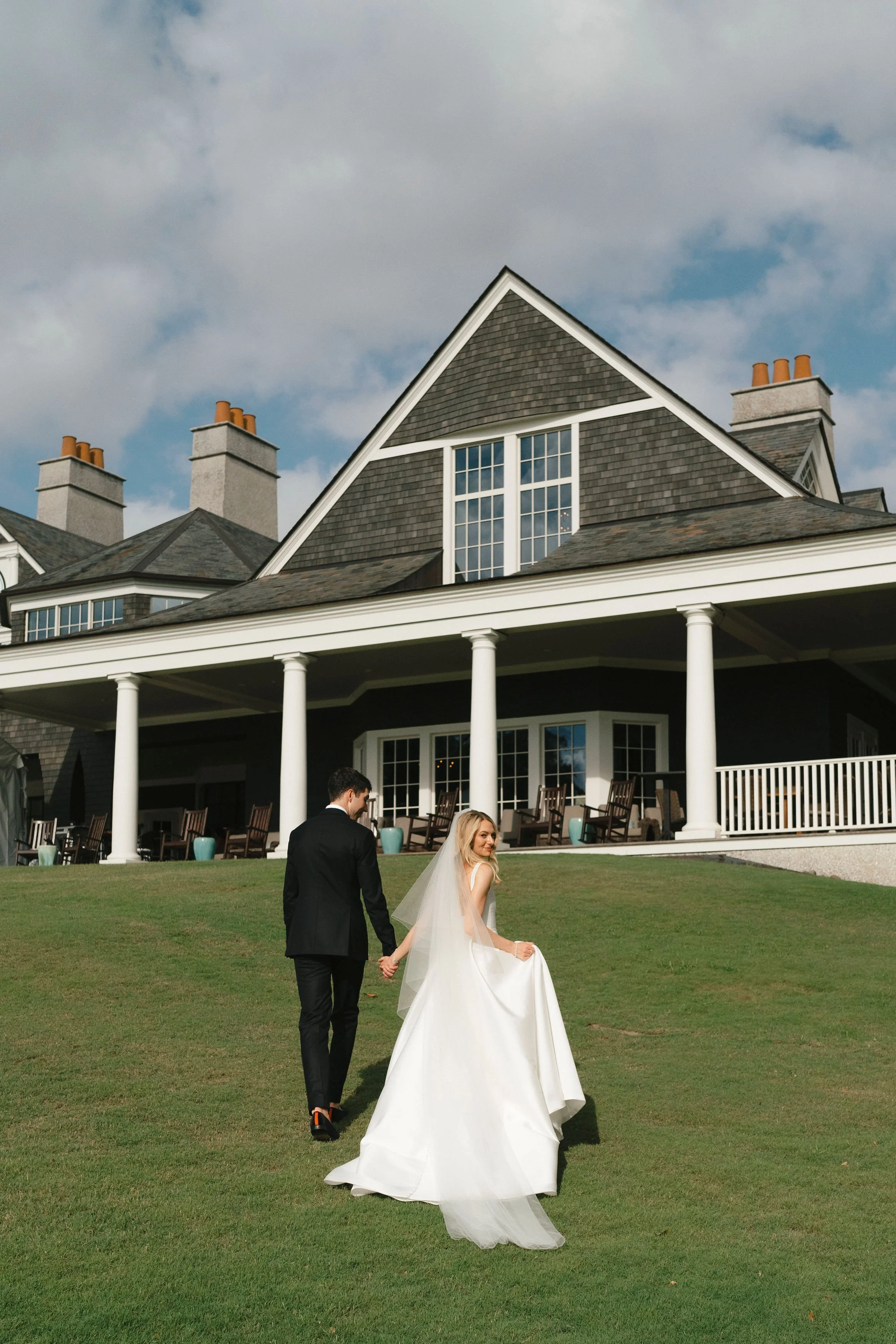
A seaside mansion or private club wedding is a strong fit for couples who want classic coastal elegance. These settings can feel timeless and polished, especially when the weekend is paced with restraint.
A resort wedding is often the best fit for couples who want guest accommodations, amenities, dining, and event spaces connected in one place. This can make the weekend easier for guests, but the planning still needs to ensure the experience feels personal rather than templated.
The question is not which format is best. The question is which format best supports your guests, your priorities, and the way you want the weekend to unfold.
What Planning Challenges Come With East Coast Destination Weddings?
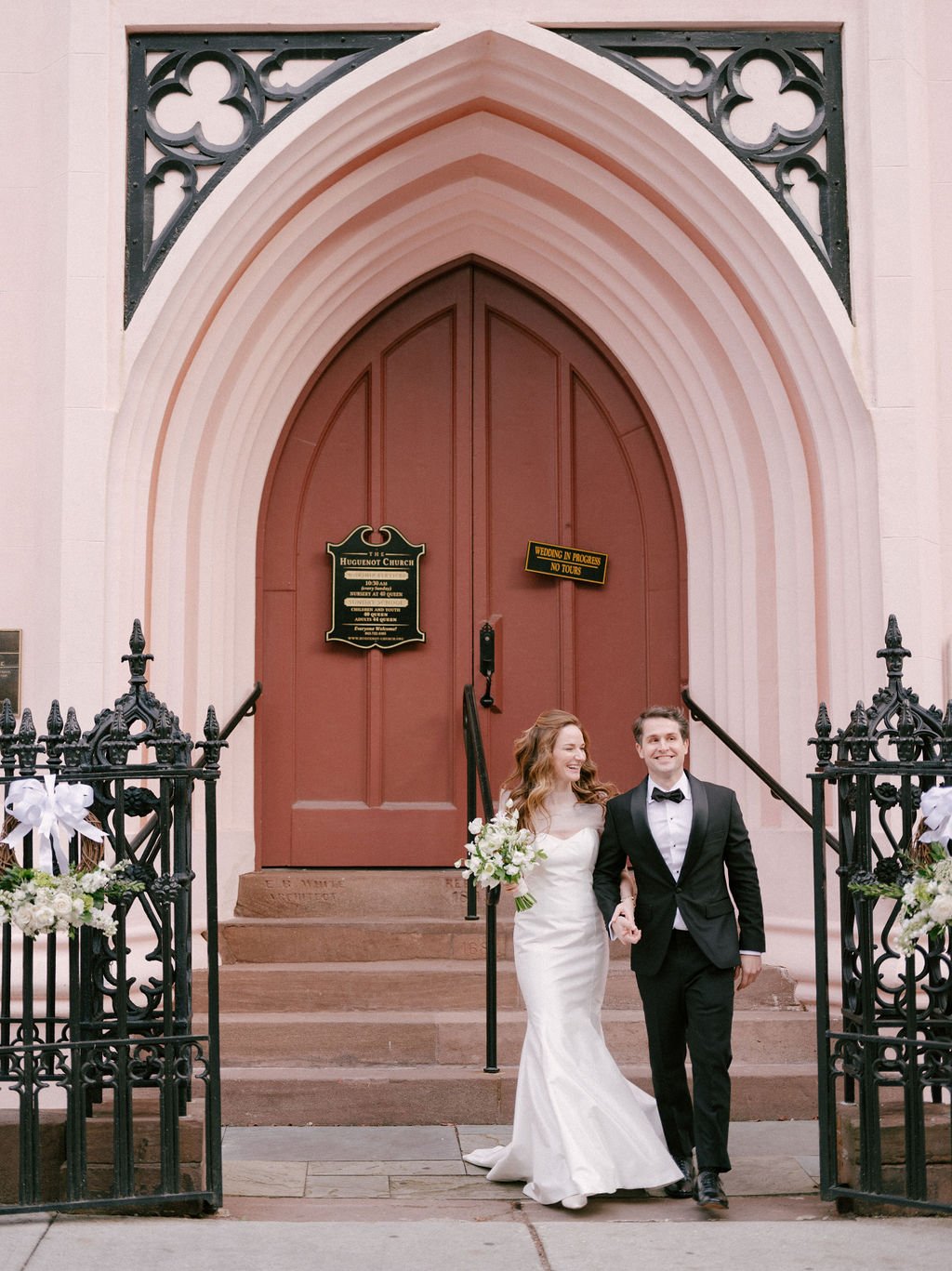
East Coast destination weddings often look effortless once guests arrive. Behind the scenes, they require careful orchestration.
Hotel blocks need to be secured early, especially in seasonal destinations. Transportation needs to be timed around guest arrivals, venue access, traffic patterns, and after-party departures. Weather plans need to be more than a backup tent mentioned in passing. Vendor sourcing needs to account for quality, familiarity with the location, travel requirements, and service expectations.
Multi-day event flow also requires discipline. A full weekend should not feel over-programmed. Guests need enough structure to feel cared for, but enough breathing room to enjoy the destination on their own.
The welcome party should set the tone without exhausting the guest list. The wedding day should build naturally. The farewell brunch should feel gracious, not obligatory. Each event needs a purpose.
This is where an experienced planning team protects the experience. The work is not only in making decisions. It is in sequencing them well, communicating them clearly, and ensuring every partner understands the standard.
The Reagan Events planning process is built around that kind of clarity. Destination weddings require design, logistics, etiquette, hospitality, and production to move together.
Reagan Events Perspective: The Best Destination Is the One That Supports the Weekend You Want to Create
The best East Coast destination wedding location is not always the most famous, the most photographed, or the hardest to book.
It is the place that can hold the full experience well.
From a planning perspective, the right destination should support guest arrival, accommodations, transportation, event flow, design, vendor access, privacy, and the emotional rhythm of the weekend. It should make sense for the couple, but it should also make sense for the people traveling to celebrate with them.
That is where the decision becomes more refined.
Charleston may be the right fit if you want historic texture, city access, and a naturally hospitable setting. Kiawah may be the right fit if you want privacy, coastal atmosphere, and a contained resort-style rhythm. A countryside estate, island retreat, or seaside club may be right if it supports the pace and feeling you are after.
At Reagan Events, we approach destination weddings as full productions, not isolated events. The ceremony, dinner, dancing, welcome gifts, transportation cards, hotel arrivals, late-night snacks, and morning-after goodbyes all belong to the same story.
You can explore more of our destination work through the Reagan Events destination wedding portfolio.
Frequently Asked Questions About East Coast Destination Weddings
What is the best East Coast destination wedding location?
The best location depends on the couple’s priorities. Charleston is strong for historic charm, hospitality, and city access. Kiawah Island is ideal for private coastal wedding weekends with a calmer guest rhythm. Other East Coast destinations may be better suited for estate, vineyard, resort, or seaside celebrations.
Is Charleston a good destination wedding location?
Yes. Charleston works well for couples who want a destination wedding with historic architecture, strong hospitality, excellent restaurants, guest activities, and a refined Lowcountry setting. It is especially strong for multi-day weddings where guests can enjoy the city between planned events.
Is Kiawah Island a good wedding destination?
Yes. Kiawah Island is especially strong for couples who want a private, coastal, resort-style wedding weekend. It offers a calmer and more contained guest experience than a city destination, which can be ideal for couples who want privacy, scenery, and a slower pace.
How do you choose between Charleston and Kiawah for a wedding?
Charleston is usually better for couples who want city energy, walkability, restaurants, and historic architecture. Kiawah is usually better for couples who want privacy, coastal scenery, resort amenities, and a more contained wedding weekend.
Do East Coast destination weddings need a planner?
A planner is especially helpful when the wedding involves travel, hotel blocks, guest transportation, multiple events, vendor sourcing, and destination-specific logistics. The more layered the weekend, the more important it becomes to have one team overseeing the full experience.
How far in advance should couples plan an East Coast destination wedding?
Many high-end destination weddings benefit from a 12 to 18 month planning window, especially if the couple wants a high-demand venue, a strong vendor team, and a full wedding weekend with multiple events. Seasonal destinations can require even more lead time for accommodations and guest logistics.
Choosing the Place That Lets the Weekend Breathe
An East Coast destination wedding should feel like more than a change of scenery. It should feel like the right setting for the people, the pace, and the memories being made.
The destination should welcome your guests before the first toast is poured. It should make the weekend easier to understand and more beautiful to experience. It should carry the atmosphere naturally, with enough structure behind the scenes that no one has to think too hard once they arrive.
Whether that place is Charleston, Kiawah, or another East Coast setting entirely, the goal is the same: a wedding weekend that feels considered from the first arrival to the final goodbye.
For couples beginning to think through the right destination, Reagan Events offers full-service planning, design, and production for multi-day weddings across the East Coast and beyond.