
How to Build a Wedding Weekend Around Guest Comfort, Not Just the Wedding Day
A beautiful wedding weekend is not only remembered by how it looked. It is remembered by how it felt to move through it.
When guests know where to go, have time to rest, are fed at the right moments, and are not left guessing through each transition, the entire weekend feels more generous. More thoughtful. More relaxed in the ways that matter.
It is easy to think of guest experience as the visible details. The welcome gifts, the paper goods, the passed champagne, the monogrammed something. Those details absolutely have their place. But guest comfort begins before any of that. It begins with the structure of the weekend itself.
A wedding weekend does not feel elevated if guests are tired, confused, hungry, overheated, stranded, rushed, or unsure where to go next. The best weekends are designed with pacing, access, weather, food, transportation, and communication in mind from the very beginning.
That is where full-service planning becomes essential. At Reagan Events, our event planning and management process is built around anticipating the points of friction before guests ever feel them.
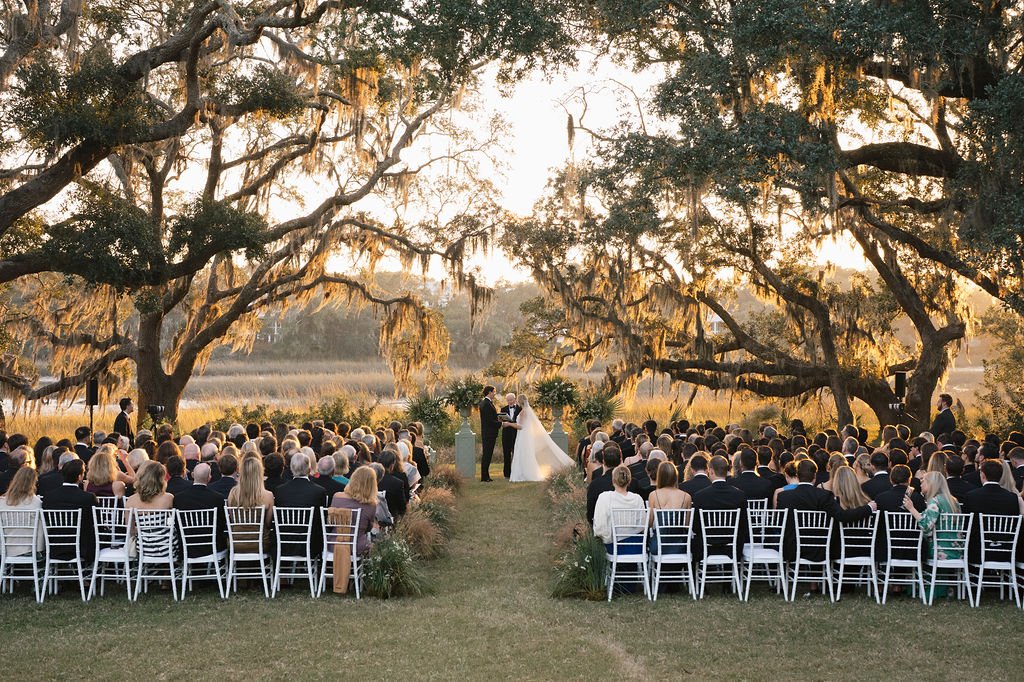
Quick Answer: How do you make a wedding weekend more comfortable for guests?
A wedding weekend becomes more comfortable for guests when the schedule includes thoughtful pacing, clear communication, reliable transportation, weather-aware plans, enough food and beverage moments, accessible movement, and intentional rest between events.
Guest comfort is not only about welcome gifts or beautiful details. It is about removing friction so guests can be fully present for the celebration.
Why Guest Comfort Should Shape the Whole Wedding Weekend
Guest comfort starts long before the ceremony.
For a destination wedding or multi-day celebration, guests are often navigating travel, checking into hotels, adjusting to a new setting, planning attire, arranging childcare, coordinating transportation, and trying to understand the rhythm of the weekend. Even when they are excited to be there, there is effort involved.
That effort should be acknowledged.
A stunning ceremony backdrop cannot make up for unclear transportation. A beautifully designed dinner cannot fully recover from guests waiting too long without food. A welcome party can be visually incredible and still feel exhausting if it begins too soon after a day of travel.
This is why comfort has to shape the entire wedding weekend, not just the wedding day. It informs the pace of the schedule, the way information is shared, the distance between locations, the timing of meals, the seating plan, the weather plan, and the way guests are guided from one moment to the next.
When guests feel comfortable, they are more present. They linger longer at dinner. They dance with more ease. They arrive less flustered. They remember the weekend as something that felt generous, not demanding.
For multi-day weddings especially, the schedule has to breathe.
How Much Should You Schedule for Guests?
A wedding weekend should have rhythm, not constant programming.
There is a real temptation to fill every open pocket of time, especially when guests have traveled for the celebration. Couples want to make the trip worthwhile. They want to host beautifully. They want everyone to feel included. But over-scheduling can quietly shift the tone of the weekend from celebratory to obligatory.
Guests need time to arrive. They need time to unpack, change, explore, nap, answer an email, sit by the pool, get ready slowly, or simply take in the destination on their own terms.
A strong wedding weekend usually has a clear shape:
Arrival. A gathering moment. Time to rest. The central celebration. A soft farewell.
That does not mean the weekend needs to be sparse. It means every hosted moment should have purpose.
A welcome party can be lively and generous without running late into the night. A rehearsal dinner can be deeply personal without requiring every guest to attend. A farewell brunch can be lovely without feeling like a final obligation before airport departures.
Optional events should actually feel optional. That tone needs to be communicated clearly, not just assumed. Guests should know which events are hosted, which are casual suggestions, and which moments are simply offered as ways to enjoy the destination.
A refined weekend gives guests direction without controlling every hour.
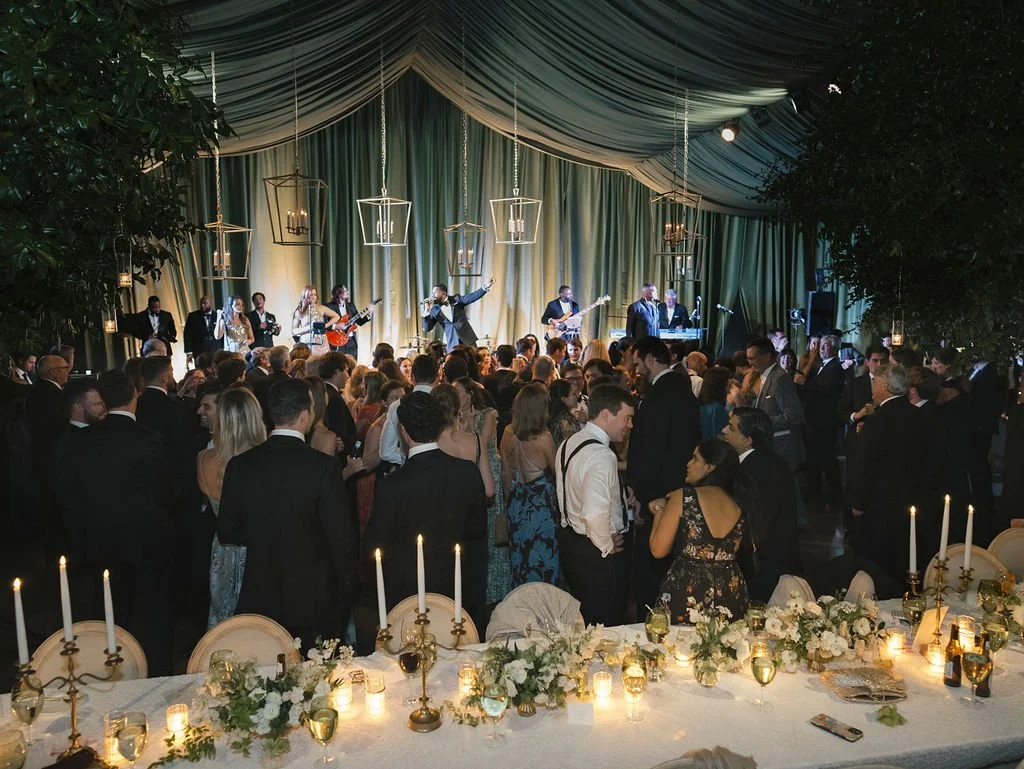
What Practical Details Make Guests Feel Cared For?
The details that make guests feel cared for are often the ones they barely notice because they simply work.
Clear arrival instructions. Transportation information. Comfortable seating. Enough shade or warmth. Hydration. Restrooms that are easy to find. Food at the right moments. Signage that answers questions before guests have to ask. Accessibility for older guests or guests with mobility needs. A planner contact for weekend questions. A printed or digital itinerary that is simple to follow.
These are not decorative details. They are usability details.
They are the difference between a guest wondering where the shuttle is and a guest walking confidently to the pickup location. The difference between someone standing in heels on gravel and someone being quietly directed along a better path. The difference between a hot outdoor ceremony that feels careless and one that feels prepared, shaded, hydrated, and thoughtfully timed.
Guest comfort also requires thinking about who is attending.
Are there grandparents who should not be walking long distances? Are there guests in formalwear moving across grass, gravel, docks, stairs, or cobblestone? Will guests arrive hungry after travel? Will they understand the dress code? Will they know whether transportation is provided? Will they know who to contact if they are lost, delayed, or confused?
A well-planned wedding weekend removes as much uncertainty as possible.
This is also where our planning process becomes so important. Comfort is not created in one conversation. It is layered through months of decisions that connect guest logistics, design, vendor flow, communication, and timing.
How Does Food and Beverage Timing Affect Guest Comfort?
Food timing is one of the clearest expressions of hospitality.
Guests should not be asked to wait too long between meals. They should not arrive at a welcome party after a travel day with only a light bite if dinner is not happening soon. They should not stand through a long cocktail hour with drinks but not enough food. They should not be expected to dance until midnight without something substantial later in the evening.
A wedding weekend asks a lot of guests physically. They are dressing up, moving between locations, standing for ceremonies, sitting through toasts, dancing, drinking, traveling, and navigating a schedule that is not their own. Food and beverage pacing helps protect their energy.
Welcome drinks should match the arrival moment. If guests are coming straight from check-in, offer something refreshing and immediate. If the event begins near dinner time, make sure the food feels abundant enough for the hour.
Cocktail hour should be planned around the actual gap before dinner. If dinner service will take time, passed hors d’oeuvres and stations need to support that. A sparse cocktail hour can leave guests feeling restless before the reception has even begun.
Late-night snacks are not just a fun surprise. They can be a practical kindness, especially after a long reception. The same is true for water service, coffee, easy-to-grab bites, and a farewell brunch that feels relaxed rather than overproduced.
Food timing is part of the guest experience, but more specifically, it is part of guest comfort. It tells guests that their needs were anticipated.
For a broader look at guest experience across an entire wedding weekend, you can also read our piece on designing the guest experience over a wedding weekend.
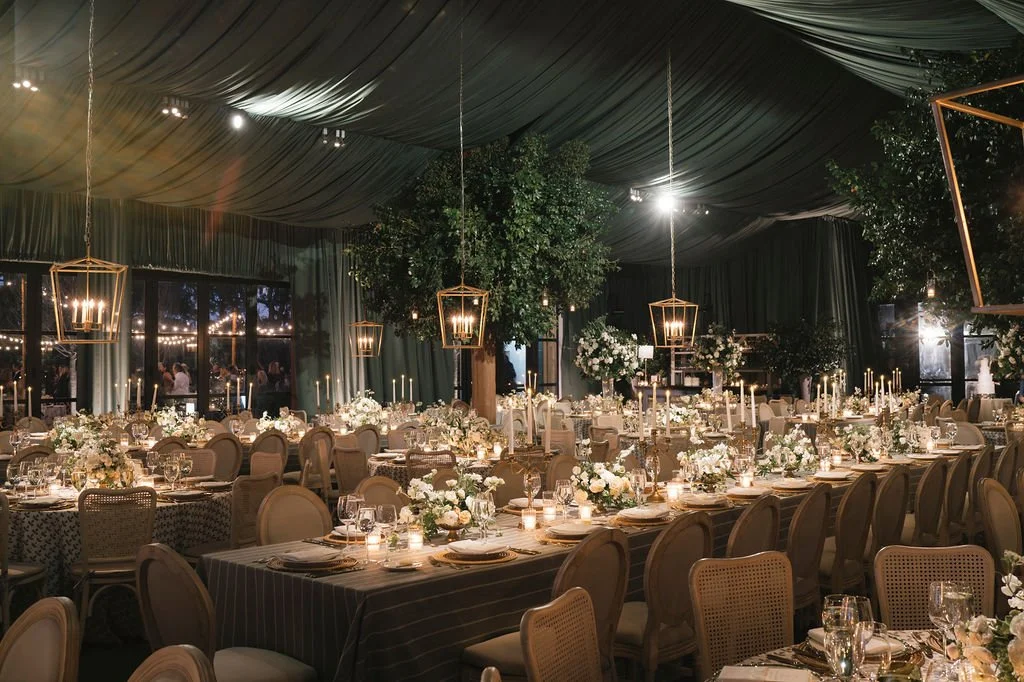
How Should Weather Shape the Guest Comfort Plan?
Weather should never be treated as a last-minute detail.
Heat, humidity, rain, wind, cold evenings, direct sun, soft ground, and shifting temperatures can all change how guests experience an event. A ceremony may be beautiful on paper, but if guests are sitting in direct sun without shade or water, the beauty becomes difficult to enjoy.
Outdoor wedding comfort requires real planning.
For warm weather, that may mean shade, fans, cold towels, hydration stations, lighter menu moments, breathable tenting, and adjusted timing so guests are not seated during the harshest heat of the day.
For cooler evenings, it may mean heaters, wraps, a tented lounge, warm passed beverages, or a more protected dinner location.
For rain, it means more than having a backup plan. It means thinking through flooring, guest pathways, umbrellas, valet, shuttle drop-off, vendor load-in, restroom access, photography locations, and how the entire guest flow changes when the ground is wet.
A good weather plan should still feel intentional. Guests should not feel as though they have been moved to Plan B. They should feel as though the plan was always considered.
We have written more about this in Rain Plans That Actually Work, because weather planning is not only about protecting the event. It is about protecting the guest experience from discomfort, confusion, and unnecessary stress.
Why Transportation and Walking Distance Matter More Than Couples Think
Transportation is one of those planning categories that can feel purely logistical until it fails.
Then it becomes the thing everyone remembers.
For destination weddings, transportation and walking distance matter more than couples often realize. Guests may not know the area. Rideshare may not be reliable. Parking may be limited. Roads may be dark, narrow, remote, or difficult to navigate. A venue may technically be “walkable” from the hotel, but not comfortably walkable in formalwear, heels, humidity, rain, or late at night.
Guest comfort requires thinking through movement from the guest’s point of view.
Where are they staying? How far is the venue? Where will the shuttle pick them up? Is the pickup location obvious? Will older guests need golf carts or closer drop-off? Is the ceremony on grass, gravel, sand, or stairs? Will guests be walking after dark? Will there be clear return transportation at the end of the evening? Will there be enough vehicles if people leave at different times?
Transportation is not just about getting guests from one place to another. It sets the tone for every transition. A smooth transfer feels calm and cared for. A confusing one creates tension before guests even arrive.
For multi-day destination weddings, guest movement is part of the larger weekend architecture. We explored this more deeply in Designing a Seamless Guest Journey in Multi-Day Destination Weddings, but the heart of it is simple: guests should never feel abandoned between moments.
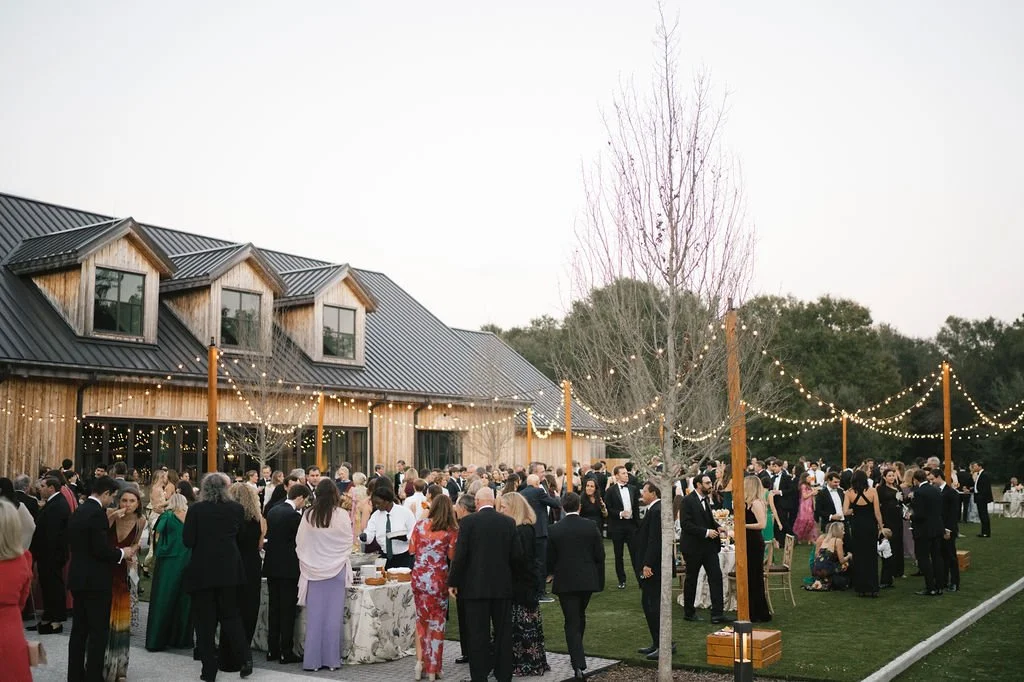
What Should Guests Know Before They Arrive?
Guests should arrive with enough information to feel prepared, but not overwhelmed.
That balance matters.
A strong wedding website, welcome note, and printed itinerary should answer the questions guests are already asking:
What should I wear? Where am I going? How do I get there? What time should I arrive? Is transportation provided? Are events indoors or outdoors? Will I be walking on grass, gravel, sand, or stairs? Which events are hosted? Which events are optional? Who do I contact with questions? What should I know about the destination? Do I need to book anything in advance?
The best communication feels calm and complete. It does not make guests dig through emails, text the couple, or guess what “garden cocktail attire” means at a waterfront venue in July.
It is also important to consider the tone of communication. Overcommunication is care when it is presented clearly. A guest should never feel scolded by instructions, but they should feel guided.
Before arrival, give them the information they need to pack well, travel easily, and step into the weekend without unnecessary decision fatigue. Once onsite, reinforce that information through welcome materials, signage, transportation attendants, and a planning team that knows how to direct guests with polish.
That is part of what makes a wedding weekend feel truly hosted.
Reagan Events Perspective: Comfort Is One of the Quietest Forms of Refinement
Refinement is not only what guests see. It is how effortlessly they are able to move through the weekend.
When comfort is planned well, guests do not have to think about logistics. They are not wondering where to stand, where to go, when they will eat, how they will get back, or whether they missed a detail. They simply feel welcomed, guided, and cared for.
That ease is never accidental.
It is the result of thoughtful pacing, strong vendor communication, detailed timelines, weather-aware planning, transportation strategy, guest-facing materials, and design decisions that support the way people actually move through a space.
At Reagan Events, we believe event design should do more than create a beautiful room. It should support the feeling of the evening. The placement of a bar, the distance between dinner and dancing, the location of restrooms, the amount of seating during cocktail hour, the path from ceremony to reception, the way guests enter a tent, the lighting at the end of the night - all of it shapes comfort.
The most successful wedding weekends feel generous without feeling overdone. They feel considered without feeling controlled. They give guests the freedom to enjoy themselves because the structure underneath the weekend has already been handled.
That is one of the clearest signs of planning done well.
Frequently Asked Questions
How do you make wedding guests feel comfortable?
Start with the practical details: clear communication, thoughtful pacing, comfortable seating, weather plans, transportation, food timing, accessible movement, and enough rest between events. Beautiful details matter, but comfort is built first through planning decisions that remove friction.
How much downtime should a wedding weekend include?
A strong wedding weekend should include enough downtime for guests to rest, explore, and prepare between events. Not every hour needs to be scheduled. In fact, a little open space often makes the hosted moments feel more enjoyable because guests do not feel rushed from one thing to the next.
What makes a wedding weekend feel refined for guests?
A wedding weekend feels refined when guests are not confused, rushed, hungry, overheated, stranded, or left waiting. Comfort, clarity, and pacing are part of the experience. When guests can move through the weekend with ease, the entire celebration feels more thoughtful.
Should couples provide transportation for guests?
Transportation is helpful when events happen across multiple locations, when parking is limited, when guests are unfamiliar with the destination, or when the venue is remote. It is especially important for formal events where guests may be wearing heels, walking at night, or traveling between hotels and venues.
How can couples prepare guests before the wedding weekend?
Couples can prepare guests through a clear wedding website, welcome note, printed itinerary, transportation details, dress code guidance, weather notes, and contact information. The goal is to answer practical questions before guests have to ask them.
How does a planner help with guest comfort?
A planner helps anticipate friction points before guests experience them. That includes timing, transportation, vendor flow, weather plans, accessibility, communication, food and beverage pacing, and onsite guest movement. For a multi-day wedding, this kind of planning protects the ease and emotional tone of the entire weekend.
Planning a Wedding Weekend That Feels Effortless
Guest comfort is not a small detail. It is one of the strongest indicators that a wedding weekend has been planned with care.
The goal is not to remove every possible variable. The goal is to think ahead, communicate clearly, and build a weekend that supports the people who have made the effort to gather with you.
When guests feel rested, guided, fed, shaded, welcomed, and considered, they are free to enjoy what they came to celebrate.
For couples planning a multi-day wedding in Charleston, Kiawah, Italy, or another meaningful destination, Reagan Events brings the planning structure, design perspective, and onsite leadership required to make the full weekend feel as thoughtful as the wedding day itself.
You can learn more about Reagan Events, explore our event planning and management services, or inquire with our team when you are ready to begin shaping the weekend with intention.