
Morning-After Brunch Ideas to Close Out Your Wedding Weekend
There is something about the morning after a wedding.
The music is over. The shoes have finally come off. Everyone is moving a little slower, retelling the best parts of the night before over coffee, sunglasses, and whatever breakfast feels most restorative. After a high-energy celebration, that next morning can either feel abrupt or beautifully complete.
A morning after wedding brunch, when done well, gives the weekend a gentler ending. It is not meant to compete with the wedding itself. It is not another performance. It is simply a final touchpoint - a place for hugs, recaps, a proper thank you, and an easier goodbye before guests head home.
For destination weddings especially, that kind of closure matters. After guests have traveled, adjusted schedules, packed formalwear, and shown up fully for a multi-day celebration, a low-pressure farewell can feel incredibly thoughtful. It lets the weekend exhale.
That said, I do not always recommend a formal post-wedding event. If the opportunity exists for something informal as guests are checking out, I highly encourage it. The key is keeping it easy. Guests likely left it all on the dance floor and are trying to organize luggage, coffee, children, flight times, and a return to reality. A come-as-you-are, pop-in, grab-and-go situation tends to work best. It is low pressure and usually exactly what people want after days of celebration.
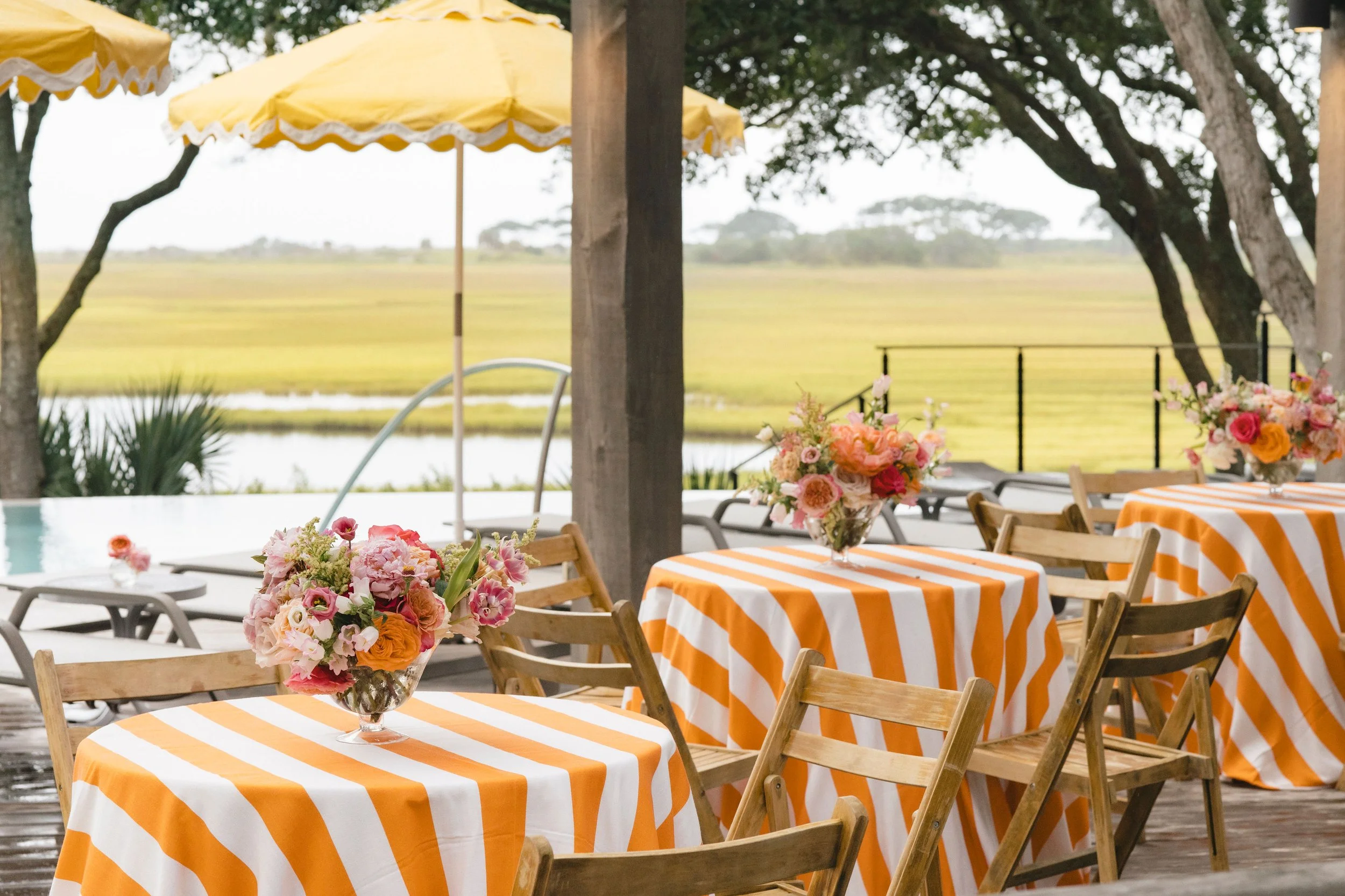
The Purpose of a Farewell Brunch
One of the quiet benefits of a wedding farewell brunch is that it takes pressure off the wedding night itself.
When couples know they will see many of their guests the next morning, they do not have to spend the entire reception making exhaustive rounds or worrying that they missed one final conversation. They can be more present. They can dance longer. They can let the reception breathe a little.
That next morning becomes the final chapter of the wedding weekend itinerary. It gives guests one last moment of connection before departures begin. It is often where the funniest stories surface - the after-party details, the emotional speeches, the dance floor highlights, the little things that everyone was too busy to process in real time.
The vibe is completely different from a welcome party, and that difference is important. A welcome event should carry momentum. It opens the weekend and sets the tone. A wedding farewell brunch should do the opposite. It should feel relaxed, effortless, and forgiving. Expectations are low. The need for energy has expired. Its purpose is simple: provide a soft landing place, a meal, a hug, and a thank you.
That simplicity is what makes it work.
Choosing the Right Format
Not every post wedding brunch idea is right for every celebration. The best format depends on the guest list, travel logistics, and how much structure you want that final morning to have.
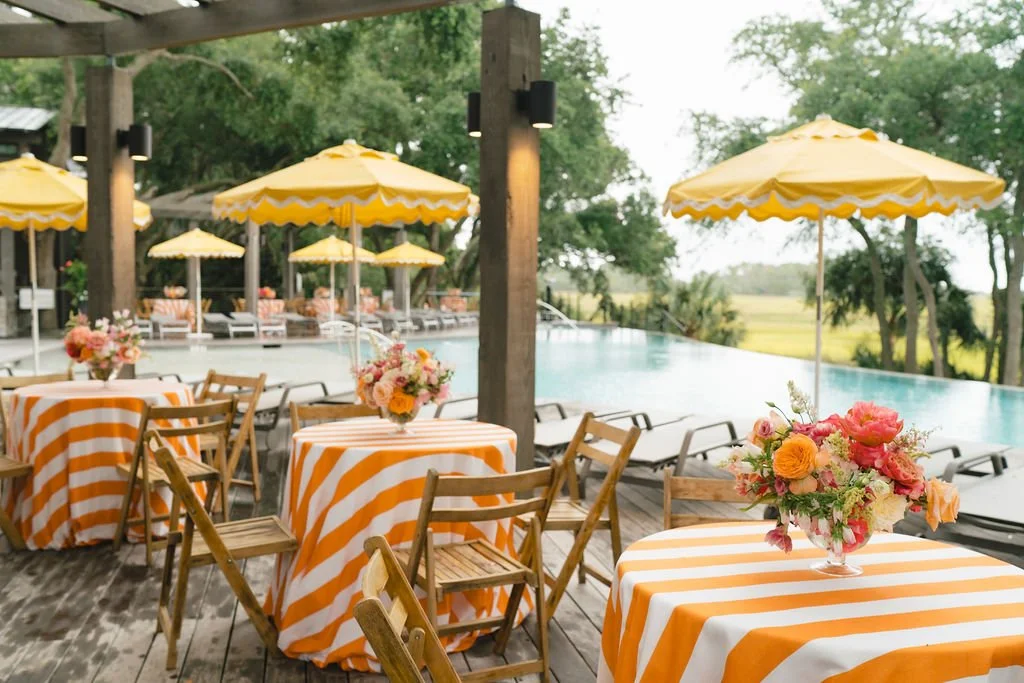
The drop-in brunch
This is the format I recommend most often, especially for destination wedding brunches.
Guests can come and go within a two to three hour window as they wake up, check out, or head to the airport. No one feels late. No one feels trapped at a table when they need to leave in twenty minutes. There is room for spontaneity and ease, which is exactly what the morning after needs.
This style works particularly well when your guests are spread across different departure times. Some may be lingering with coffee. Others may already have a car waiting outside. A drop-in brunch allows both to coexist without creating stress.
The seated brunch
A seated brunch can work beautifully for a smaller celebration, or for a more intimate guest list made up of immediate family and the wedding party. It feels more intentional and can be lovely when the pace of the weekend has been especially relaxed overall.
Still, I would use some restraint here. The morning after is not the time for another highly programmed event unless the group is very small and the tone of the weekend genuinely supports it. Most guests do not want one more assigned seat and another formal timeline before a travel day.
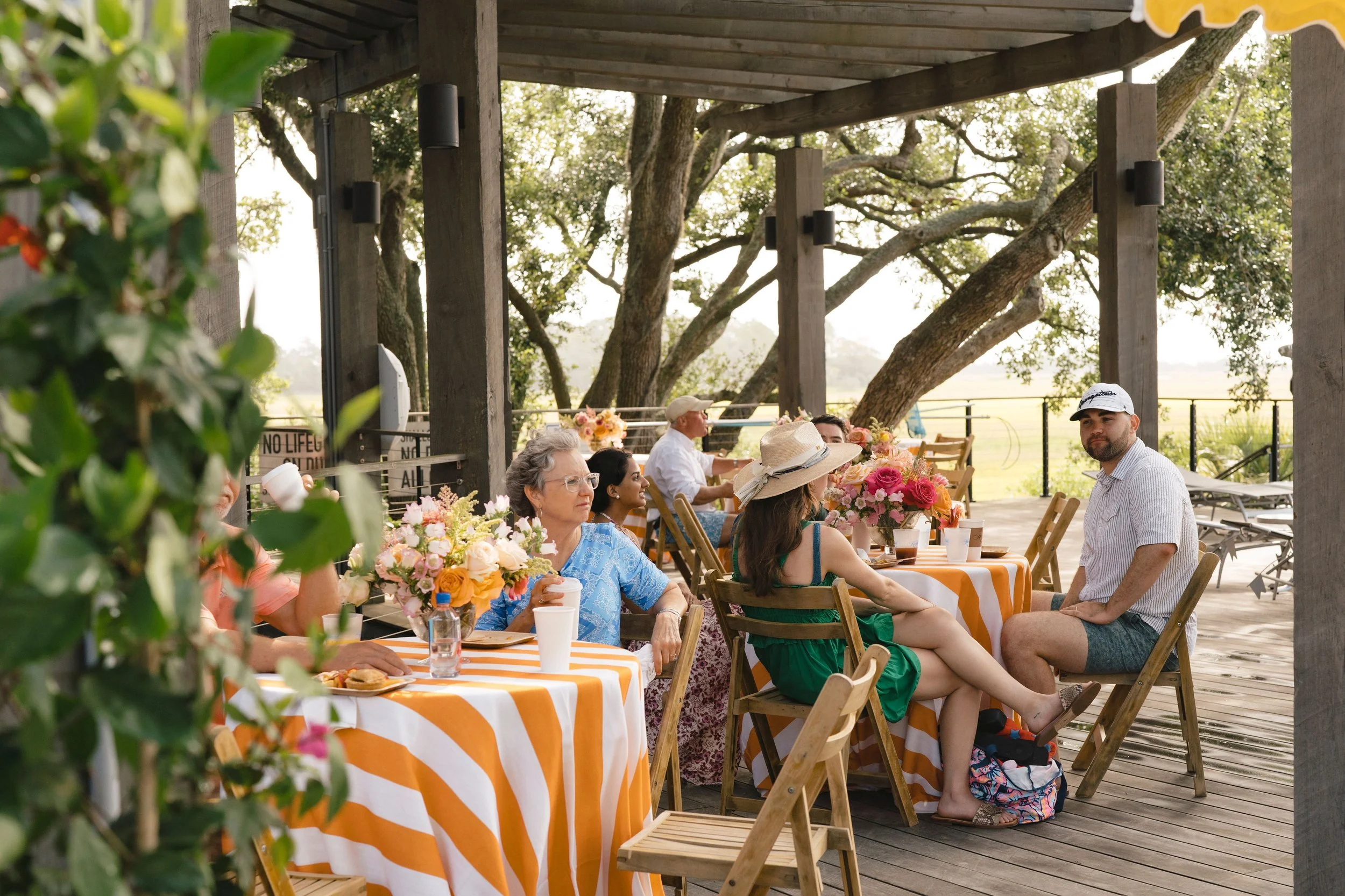
The grab-and-go setup
If you know many guests have early flights, this may be the smartest option.
A station in the hotel lobby with coffee, pastries, fruit, and breakfast sandwiches can be more appreciated than a full event. It still feels thoughtful. It still says goodbye. It simply respects the reality of the morning.
When couples ask which format works best in real life, we have seen the most success with drop-in style brunches. It lets guests come and go as they are and on their way to the airport. That flexibility tends to serve people best.
Where to Host It
Location matters, but convenience matters more.
In most cases, the host hotel is the strongest choice. It removes friction, keeps the experience turnkey, and makes attendance easy for even the most tired or time-crunched guest. No one has to change venues. No one has to coordinate another ride. No one has to wonder whether it is worth the effort.
That alone is a good enough reason.
There are, of course, other options. If you have a full property buyout, such as a Tuscan villa or private estate, hosting the brunch on-site can feel especially seamless. A local restaurant or cafe can also work if it is close by and naturally fits the tone of the weekend. For more residential celebrations, a garden at a private home or rental property can be very charming.
But even when hosting at the hotel, there is room to make it feel considered. I often suggest inviting guests into a part of the property they have not yet explored. At one of our Lake Como weddings, we hosted the brunch by the pool and set beauty tables for guests among the garden. It felt incredibly relaxed, but still elevated and intentional. Guests who were not traveling that day stayed by the pool, lingering a little longer and easing out of the weekend in the best possible way.
That is often the sweet spot - easy, but not forgettable.
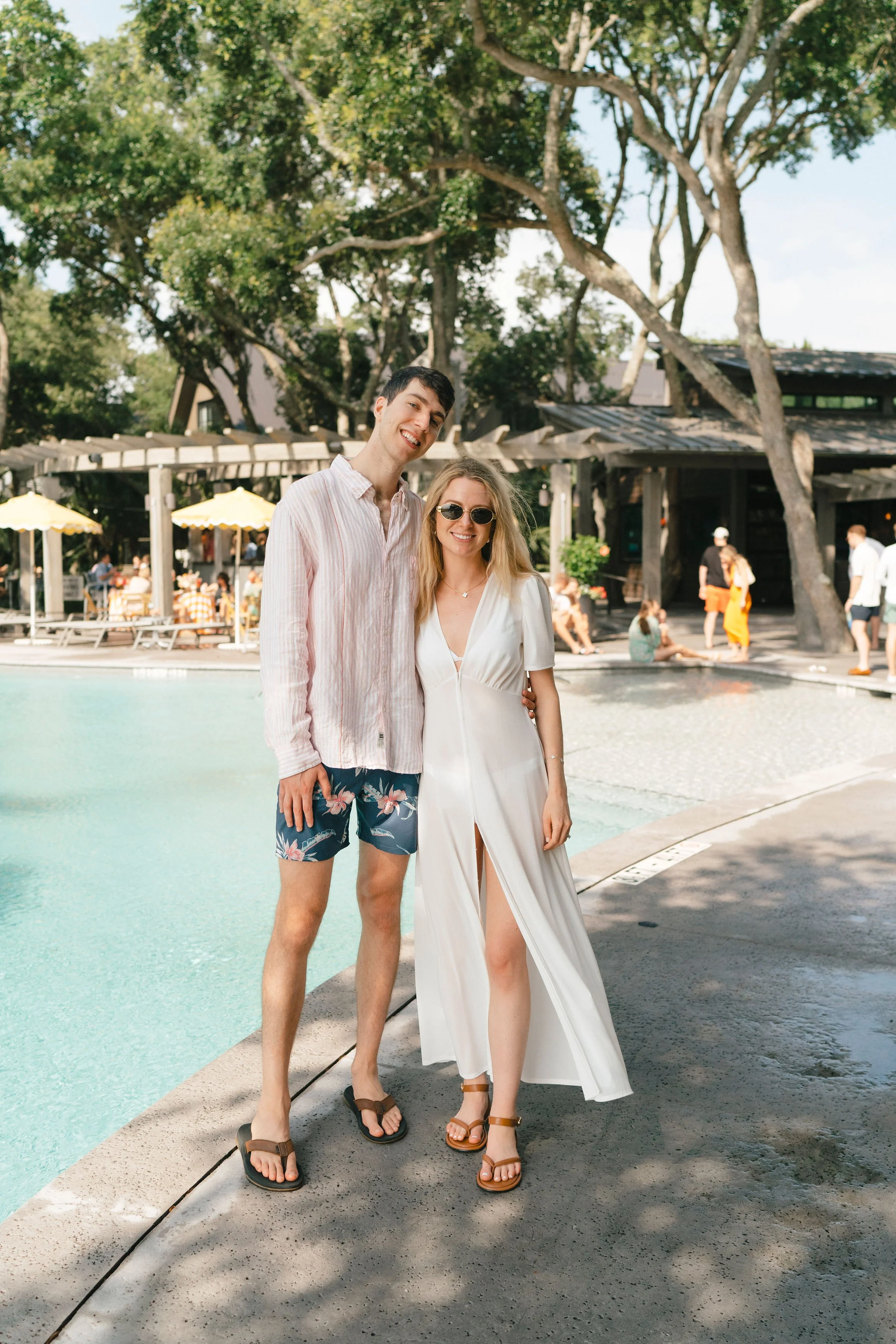
What to Serve
The best wedding brunch menu ideas are usually the least fussy.
This is not the moment for anything overly precious or difficult to eat. Guests are tired. Some are moving slowly. Some are dressed for travel. Some are still half in the haze of the dance floor. The food should meet them where they are.
Without question, there should be at least one truly hangover-friendly option. Something like a sausage, egg, and cheese biscuit does a lot of heavy lifting. A well-done breakfast sandwich, a biscuit bar, crispy potatoes, or a warm local specialty will go further than an elaborate spread that looks better than it eats.
I also like to balance those heavier comfort items with lighter choices - fresh fruit, yogurt, pastries, granola, or simple egg dishes. Offer a variety, but keep it easy to navigate. This is one of those moments where thoughtful editing matters more than excess.
For destination weddings, local breakfast items are a nice touch. In Charleston, that might mean shrimp and grits or biscuits done properly. In Italy, fresh pastries, fruit, espresso, and regional specialties make perfect sense. The point is not to over-theme the meal. It is simply to make the food feel connected to where everyone is.
On the beverage side, a robust coffee and espresso bar is non-negotiable. Beyond that, a Bloody Mary or Mimosa is always well received. It is the classic hair-of-the-dog gesture, and guests tend to appreciate having the option. Fresh juices, coconut water, and plenty of hydration should also be available. Some hosts consider white wine if the brunch starts closer to midday, but I do not think it is necessary.
At its best, the menu should feel restorative, not performative.
Etiquette: Who Is Invited and Who Pays?
This is where couples often overthink things.
For destination weddings, it is customary to invite all guests to the farewell brunch. Because the weekend already functions as a shared travel experience, excluding certain people from the final gathering can feel noticeably awkward. Even if attendance ends up being lighter than the full guest count, the invitation itself should feel inclusive.
For local weddings, the guest list can be narrower. Out-of-town guests, immediate family, and the wedding party are often the most natural group. It depends on the shape of the celebration and what makes sense financially.
If budget is a concern, my advice is very simple: hosting a brunch at all is not required. It is a lovely addition, not an obligation. I believe that if you host one, all guests should be invited. But it is also safe to assume many guests will not attend because of travel schedules or because they fully enjoyed themselves the night before. That naturally keeps the event from feeling quite as large in practice as it appears on paper.
Another possibility is having a friend or relative host the brunch if they are looking for a meaningful way to contribute to the weekend. That can be an elegant solution when the couple wants the experience, but does not necessarily want to absorb one more hosting cost themselves.
Traditionally, the bride’s parents often hosted this event, though now it is just as common for the couple, the groom’s family, or another loved one to take it on. What matters most is not who pays, but that the expectations are clear and the tone remains easy.
How to Keep It Feeling Effortless
The biggest mistake couples make with a wedding farewell brunch is trying to make it too much.
The whole point is that the pressure is off.
This is not the place for a complicated dress code, a full design installation, a long program, or another tightly managed timeline. The most successful morning after wedding brunches feel almost incidental in the best way - as though guests can simply wander in, be taken care of, and wander back out without much thought.
That ease does not happen by accident, of course. It still needs planning. Good signage, clear timing, intuitive food service, coffee that is ready when guests arrive, and enough seating for those who want to linger all matter. But the planning should protect the relaxed feeling, not fight it.
A little restraint goes a long way here.
A Final Note on the Wedding Weekend Experience
A farewell brunch may not be the flashiest part of the weekend, but that is exactly why it can be so effective.
It closes the loop. It gives people one more chance to connect. It sends guests home feeling considered rather than abruptly dismissed by checkout time and airport transfers. And for couples hosting a destination celebration, it can be one of the most thoughtful gestures of the entire weekend.
Not because it is grand.
Because it is human.
If you are planning a multi-day celebration and want the full guest experience to feel as thoughtful as it is beautiful, you can explore more atReagan Events, learn about our destination wedding services, or inquire here. You may also enjoy our related post, Welcome Party Ideas for a Destination Wedding Weekend (Link TBA).
FAQs
How long should a post-wedding brunch last?
Two to three hours is usually ideal. That gives guests enough flexibility to stop by without making the event feel too structured or drawn out.
What time should a morning-after wedding brunch start?
Late morning tends to work best, usually around 10:00 or 11:00 a.m. It gives guests enough time to sleep in, pack, and ease into the day.
Do we need formal invitations for the farewell brunch?
Not usually. Most couples include the brunch details on the wedding website, in the printed weekend itinerary, or within welcome materials. The communication should be clear, but the tone can remain relaxed.
Is a morning after wedding brunch necessary?
No. It is a thoughtful addition, not a requirement. If it fits the flow of the weekend and the budget, it can be a wonderful final touch. If not, guests will still understand.
What food works best for a wedding farewell brunch?
Simple, comforting, easy-to-eat food tends to work best. Think breakfast sandwiches, biscuits, pastries, fruit, egg dishes, coffee, and a few hydrating beverage options.