
Bryan Rafanelli
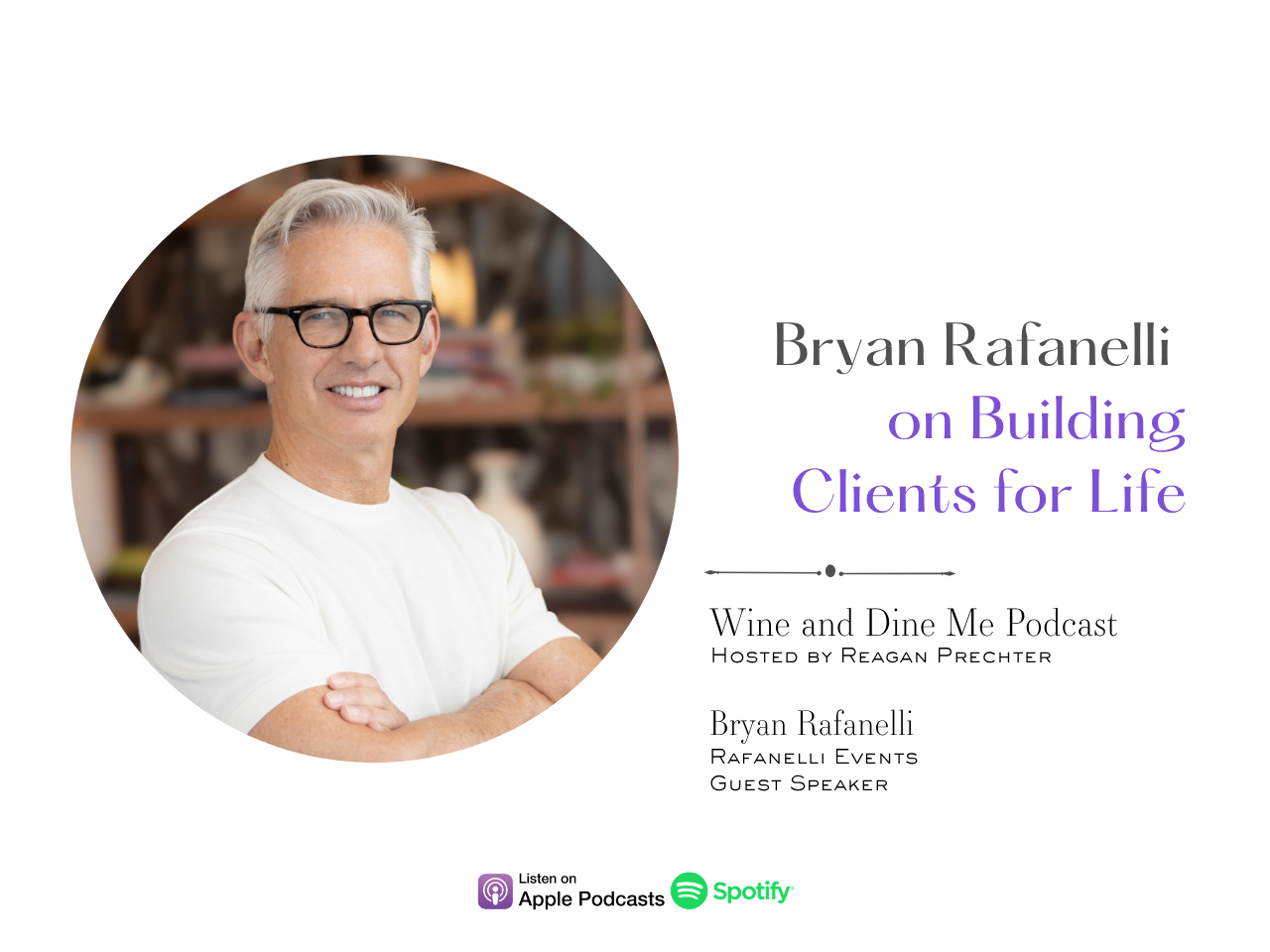
I met Bryan Rafanelli over dinner in Savannah before this podcast conversation ever happened.
It was one of those easy, generous conversations where the person sitting next to you is not trying to impress you, but still manages to quietly rearrange the way you think. Bryan shared a few thoughts that night about clients, guest lists, budgets, and long-term business strategy, and I left the table feeling energized in that rare way that only happens when someone is speaking from real experience.
So when he joined me on The Wine and Dine Me Podcast, I wanted to ask him the questions that had stayed with me.
Bryan Rafanelli has built Rafanelli Events into one of the most respected event firms in the country, but what struck me most during this conversation was not the scale of the work. It was the way he thinks. He sees a wedding as more than a single production. He sees a guest list as more than names on paper. He sees service as both care and strategy. And he sees relevance as something earned in rooms, relationships, and moments of trust, not simply through beautiful photos online.
That is a perspective worth paying attention to.
Listen to the full conversation with Bryan Rafanelli on Spotify or Apple Podcasts.
A quick answer: what makes an event business last?
An event business lasts when trust becomes part of the work itself. Beautiful design matters, but Bryan kept bringing the conversation back to the pieces that are harder to photograph: guest care, client stewardship, honest money conversations, team protection, and the ability to keep rethinking the experience.
For wedding planners, event producers, creative entrepreneurs, and anyone building a high-touch service business, this episode is a reminder that the real work is often happening in the quiet interactions around the event.
The walk to the restroom.The permission to speak honestly about budget.The follow-up conversation after the wedding.The client who comes back for the birthday party, the housewarming, the nonprofit gala, or the next family milestone.
That is where trust starts to compound.
Planning for the relationship, not just the wedding
One of the first things I asked Bryan was how he creates lifelong relationships with clients when, in theory, a wedding only happens once.
His answer was simple, but it says a lot about the way he thinks.
When he is planning a wedding, he is already imagining the birthday party, the parents’ next celebration, the holiday gathering, or the future moment when the family may want to gather again. He is not forcing the relationship forward. He is simply open to the idea that the relationship does not have to end when the wedding ends.
As he put it, “It’s always imagining that this relationship is not just going to happen in this moment, that it is going to continue and continue and continue.”
That stood out to me because it reframes the entire client experience. It is not transactional. It is not coldly “professional” in the way people sometimes use that word to mean distant. It is still business, absolutely. Bryan is very clear about that. But his business runs on relationships, and those relationships are built through warmth, trust, and consistency.
For those of us in event planning, especially wedding planning, this is a real lesson. We can become so focused on executing the one event beautifully that we forget to look at the fuller life of the client. Families continue to celebrate. Companies continue to gather. Philanthropic organizations continue to host. People have homes, birthdays, anniversaries, launches, dinners, and milestones.
If the relationship has been stewarded well, the wedding does not have to be the end of the story.
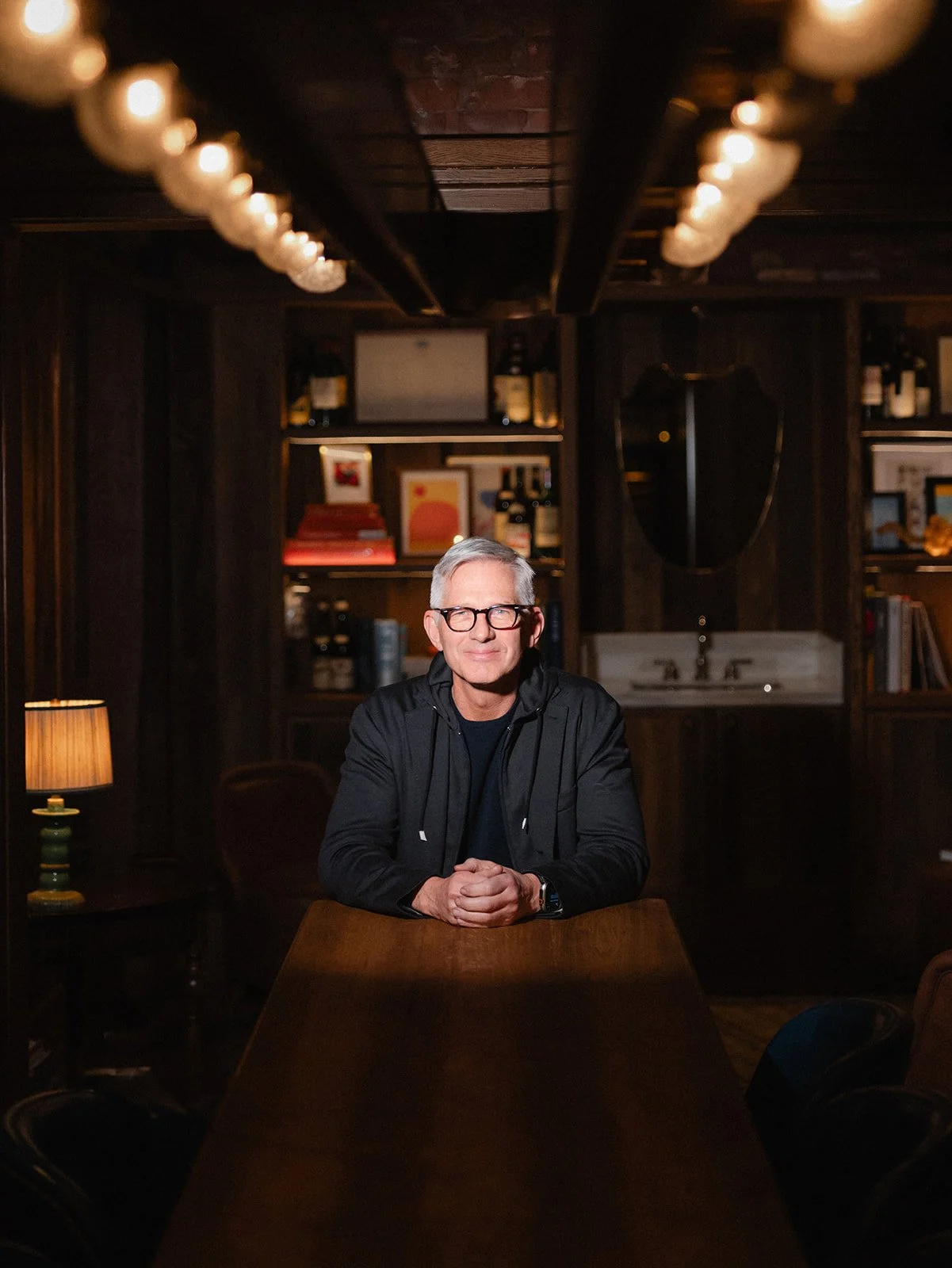
Visibility without the clipboard
We also talked about something that every planner understands but not everyone knows how to handle: how people know who planned the event.
Bryan told a story about a client who was adamant that she did not want branded clipboards floating around her wedding. We have all seen versions of this. The visible branding, the shirts, the signage, the forced presence. None of that feels aligned with a polished private event.
But Bryan’s larger point was that planners also cannot simply rely on the universe to tell 300 guests who produced the evening.
His answer was not a business card. It was service.
His team is trained to take every guest interaction seriously. If someone asks where the restroom is, they walk them there. If someone pulls out a valet ticket, they offer to help. They make the guest feel guided, seen, and cared for. And naturally, somewhere inside that interaction, the guest asks, “How are you connected to the wedding?”
That is when the planner can answer.
There is nothing aggressive about that. It is not self-promotion in the loud sense. It is hospitality doing what hospitality does best: creating ease, opening a door, and allowing a natural connection to happen.
That is also the kind of visibility that feels right for a sophisticated event. The planner is not interrupting the atmosphere. The planner is improving it.
The guest list is not just logistics
Bryan’s approach to guest lists may have been one of my favorite parts of the conversation.
He begins with high-touch guest services and asks a simple but important question: who is actually in the room?
Not just names. Not just meal counts. Not just table assignments.
Who are these people? What do they expect? What is the character of the room? Are they formal? Are they playful? Are they older family friends? Are they private clients? Are they past clients? Are they guests who have attended multiple Rafanelli events and already understand the level of care?
That information helps shape the event. It informs timing, music, flow, and service. It helps a planner understand how the room may respond.
And then, from a business perspective, it becomes even more valuable.
If there are past clients in the room, that matters. If there are guests who have experienced the firm’s work before, that matters. If there is someone the client would happily introduce you to, that matters. Bryan does not leave all of that to chance. He understands that the best opportunities often come from real rooms, real relationships, and real trust.
I appreciated this so much because it is strategic without feeling opportunistic. The guest experience still comes first. The business opportunity is connected to the quality of the care.
That is the difference.
Treating VIPs like people
I asked Bryan how he handles VIPs in the room because I think so many planners have wrestled with this.
Do you pretend you do not know who they are?
Do you play it cool?Do you avoid them entirely because you do not want to seem too eager?
Bryan’s advice was direct: be yourself, but do not retreat.
That is such a useful distinction. Highly successful people, celebrities, and high-profile guests are often treated differently everywhere they go. Retreating can become its own form of awkwardness. Over-serving can be just as uncomfortable.
Bryan shared a story about Jennifer Garner arriving at Matt and Lucy Damon’s wedding. He offered her coffee, and she turned around and asked, “May I get you a coffee?”
That was the lesson. He realized he was over-serving her. She met him with grace, and in that moment, the dynamic softened.
For event professionals, there is something important in that. The goal is not to act unimpressed or overly impressed. The goal is to be gracious, steady, useful, and human.
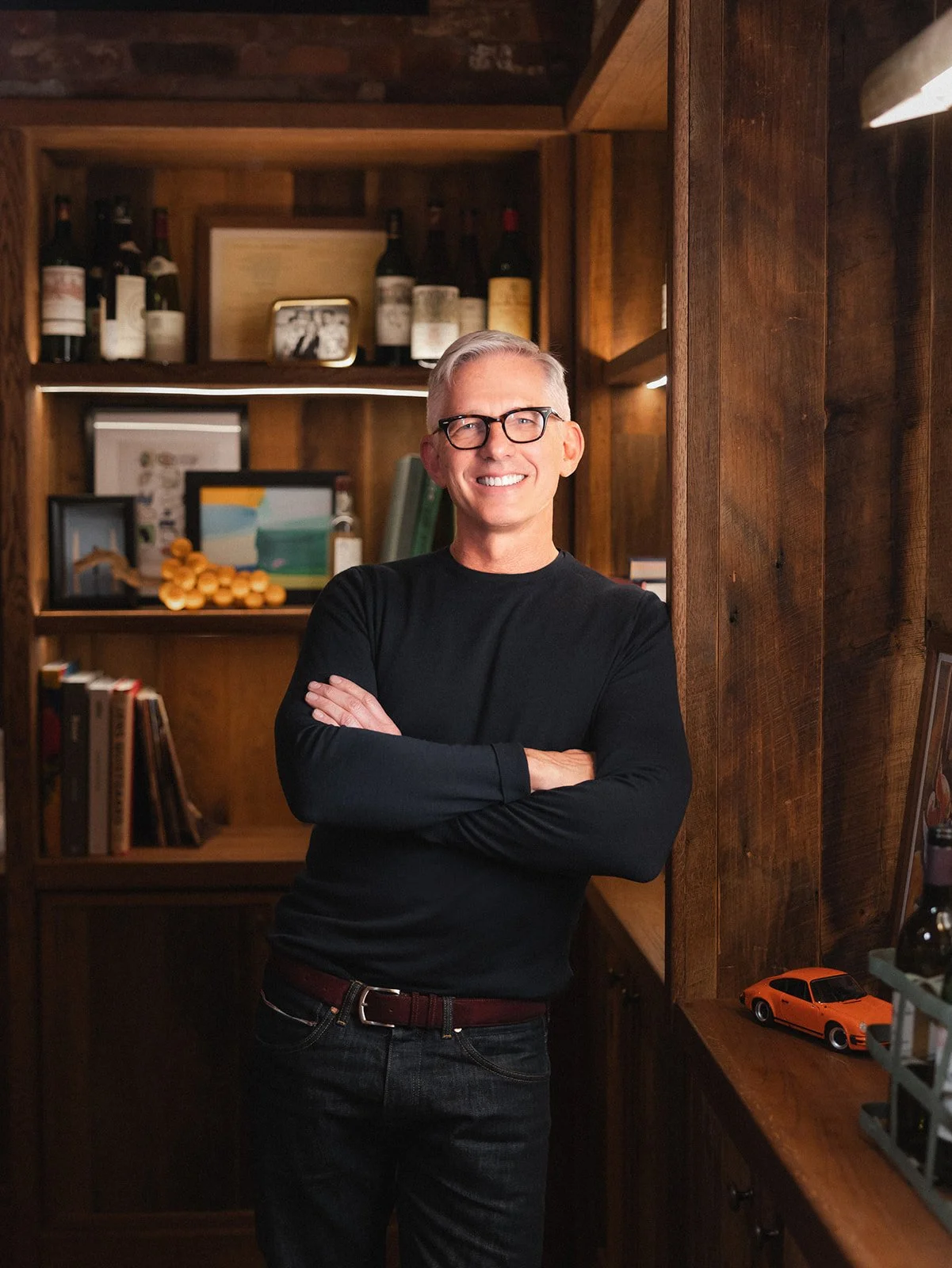
Talking about money early and often
Of course, we had to talk about money.
Bryan prefers to talk about the “investment” before the word “budget” enters the room. I understand that completely. Budget can sound restrictive. Investment helps clients understand that every decision is tied to value, experience, and priority.
But his bigger point was not about vocabulary. It was about frequency.
He believes in talking about money early and often. Put it on the agenda. Keep it visible. Give clients the space to ask questions before the decisions become emotional or urgent.
I loved his example of explaining cost through something a client already understands. If a client recently had dinner at a beautiful restaurant with wine and friends, and the dinner was $600 per person, that becomes a reference point. It gives them language for what “per person” really means in an event environment.
That kind of education matters.
Because in sophisticated event planning, most clients are not trying to be difficult when they misunderstand cost. They simply have not had to price tenting, power, flooring, freight, service staff, floral labor, lighting, guest transportation, catering, rentals, sound, production schedules, and installation crews all at once.
Our job is not to shame them into understanding. Our job is to guide them there clearly.
Asking permission to tell the truth
One of Bryan’s smartest business practices is asking permission at the beginning of the process to bring forward what he believes the client needs.
That may sound small, but it changes everything.
When the client has already given permission for honest advisement, the planner has more room to speak plainly when something important comes up. Maybe the room needs carpet because the acoustics will be terrible without it. Maybe air conditioning feels optional until the humidity arrives. Maybe a production decision is about to compromise the comfort of every guest in the tent.
Bryan said, “If we’ve done our job well, if you built a lot of trust, if you keep talking about the investment, the value of the choices, but you still feel like they’re doing something wrong, you have to bring it forward.”
That is a hard thing to do well.
You cannot bully the client. You cannot make the decision for them. But you also cannot quietly watch them make a choice that will damage the event and then pretend you did not know better.
This is where experience becomes responsibility. The client still has the final say, but the planner has to be willing to protect the integrity of the event.
The business case for diversification
Bryan was also very candid about the importance of a diversified client portfolio.
For wedding planners, this may be uncomfortable to hear, but it is worth hearing. He does not understand why an event business would only look at weddings when clients’ lives include so many other reasons to gather.
Private parties. Corporate events. Nonprofit fundraisers. Holiday parties. Brand moments. Family milestones.
His point was not that every planner has to become everything to everyone. It was that recurring work changes the way a business feels. If you know certain annual events are coming back, you wake up differently in January. You are not only hunting for the next wedding. You are stewarding a fuller calendar.
That perspective is especially valuable for creative entrepreneurs who feel the emotional swing of seasonal business. Weddings are deeply meaningful, but if every year starts from zero, that pressure can become exhausting.
Bryan’s advice was to start small. Look at the clients you already have. Think about what else they may celebrate. Educate them on what a birthday party, housewarming, or private dinner can look like under your care.
A wedding is not the same as a birthday party. The scope, fee, and expectation may be different. But if you planned the wedding beautifully, the client already knows what it feels like to be taken care of by you.
That is not a small advantage.

The three-asshole rule
We also talked about Bryan’s “three-asshole rule,” which may be one of the more memorable phrases from the episode.
Underneath the humor is a very real leadership principle.
Bryan wants to work for good people. He has built his company around that. But he is also honest enough to say that not every client will be kind, easy, gracious, or self-aware. Occasionally, someone difficult slips in. His rule is that he will not build a company around that kind of client, and he will not take on too many of them at once.
That matters because difficult clients do not only affect the person at the top. They affect the team. They affect morale. They affect the way people feel driving home after a production, and whether they still want to keep doing this work after the event is over.
I appreciated his honesty here. There is a difference between having standards and pretending every client is perfect. There is also a difference between learning from a difficult person and allowing your company to be shaped by them.
Good leadership means knowing that difference.
Disrupting the guest experience
When we shifted into industry conversation, Bryan said something that I keep thinking about: we are in the innovation business.
He was not talking only about flowers, tabletop, or rental collections. In fact, he made the point that our industry has done a remarkable job improving the visual side of events. The access to rentals, china, crystal, silver, linens, lighting, and production is better than it has ever been.
But if everyone is producing at a high visual level, then the next layer of distinction is not just more visual spectacle.
It is the experience.
How are guests greeted? How long are the toasts? Does the band need to be loud all night? What happens every 20 minutes? How does the place card moment work? What can be changed that actually affects the way a guest feels?
That is where Bryan sees opportunity.
I agree with him. Social media has trained so much of our industry to think in still frames. The tent. The table. The floral installation. The wide reception shot. All of that matters, but guests do not experience an event as a carousel of images. They experience it in sequence.
Arrival. Greeting. Drink in hand. Temperature. Sound. Seating. Timing. Dinner pace. Bathroom line. Transportation home.
That is where the event either feels considered or it does not.
Relevance is not only online
We ended up talking about the pressure to stay relevant, especially now that the event industry feels crowded and everyone has access to increasingly beautiful work.
Bryan’s response was refreshingly old-fashioned in the best possible way.
He does pay attention to social media. He acknowledged that meaningful business can come through Instagram. But he also said that most of his business still happens the old-fashioned way: do great work, get referred, close the project.
That sounds simple because it is simple. It is just not easy.
Relevance can become a noisy word. People use it to mean visibility, attention, press, social engagement, or being talked about at the right parties. Bryan’s challenge is to define it for yourself.
Are people talking about you? What are they actually saying? Are they referring you? Do clients trust you again? Are you stewarding your company inside your community? Are you showing up in the rooms that matter for the kind of work you want?
Those questions are less glamorous than getting the perfect photo published, but they may be far more useful.
Put the work in
At the end of the episode, I asked Bryan what he wanted to leave listeners with.
His answer was exactly what you would hope for from someone who has built a business with longevity: put the work in.
Look at what you are doing. Give yourself credit for what is working. Then ask what one thing you could do differently. What could you disrupt in your business right now? What could you adjust, improve, rethink, or teach your team more intentionally?
That is the spirit of the whole conversation.
Not change for the sake of change.Not chasing relevance because the industry feels crowded.Not adding more simply because more photographs well.
Just the steady discipline of paying attention.
To the client.To the guest.To the room.To the team.To the business.To the next small thing that could be better.
That is the kind of work that lasts.
Listen to the full conversation with Bryan Rafanelli on Spotify or Apple Podcasts. You can also explore more conversations from The Wine and Dine Me Podcast, learn more about Rafanelli Events, or follow Rafanelli Events on Instagram.