
Anja Winikka
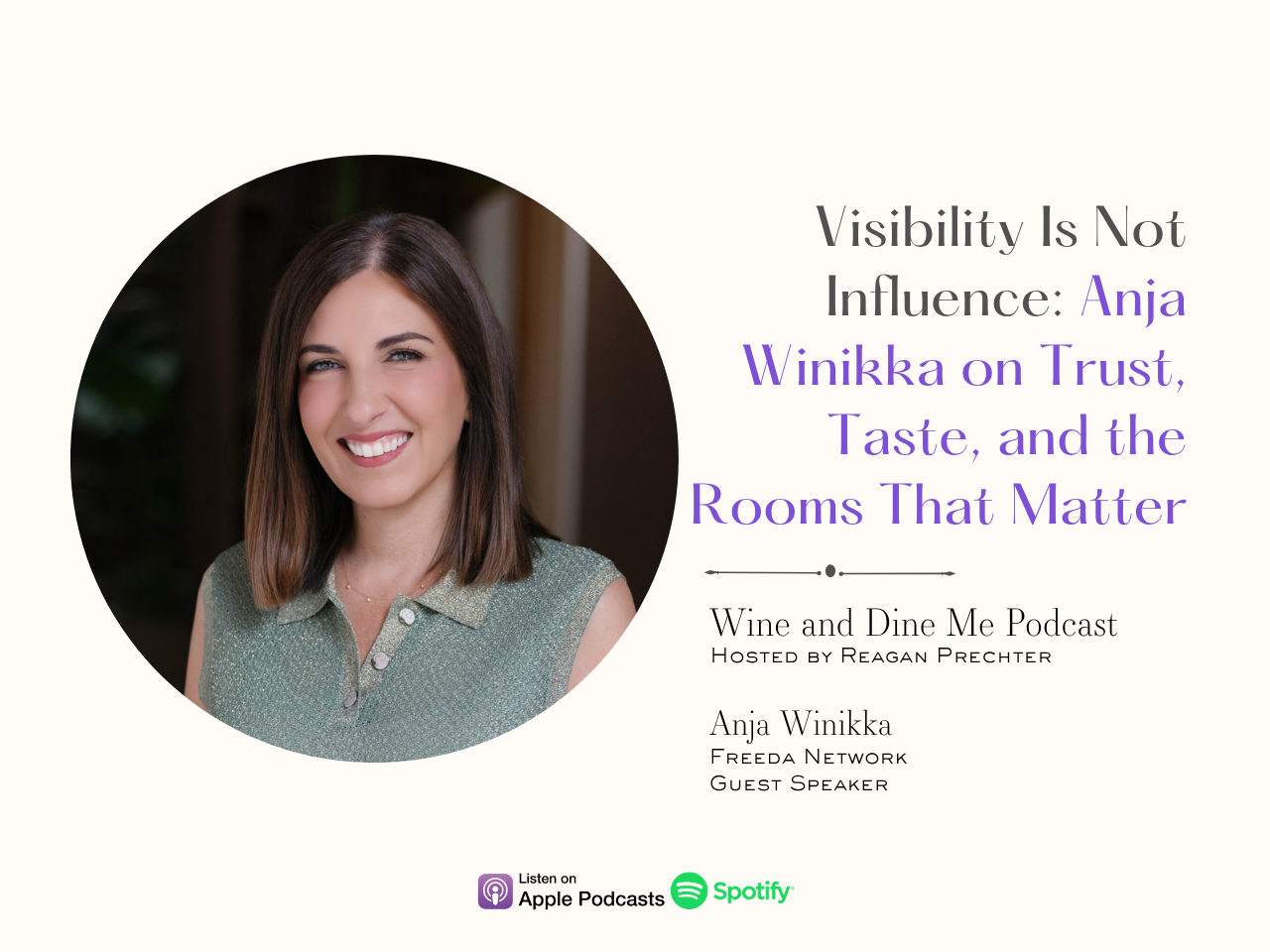
Anja Winikka has had a front-row seat to several versions of the wedding industry.
She saw the magazine era from inside The Knot, where editorial features and major platforms carried enormous weight. She helped build Maroo, where she saw how creative businesses were really operating behind the scenes. Now, through Freeda Network, she is focused on something quieter and more difficult to manufacture: trusted relationships between founders who are building at a high level.
For this episode of The Wine and Dine Me Podcast, Reagan sits down with Anja Winikka, founder of Freeda Network, to talk about the shift from being visible to being genuinely trusted.
Anja brings a rare perspective to the conversation. She spent years inside The Knot, helped build Maroo for wedding and event businesses, and now leads Freeda, a private membership network for established creative founders who are craving more honest, useful conversations with true peers.
The result is a conversation about what happens after the business looks successful from the outside. The loneliness, the pressure, the need for better rooms, and the private relationships that can shape not only how a founder grows, but how she lives and leads.
Listen to our full conversation via Spotify or Apple Podcasts.
Visibility Is Not the Same as Influence
One of the clearest distinctions Anja made in the episode was simple: visibility means people know who you are. Influence means people trust you enough to make a decision because of you.
That difference matters.
For years, the wedding industry rewarded visibility in very obvious ways. A print feature. A blog post. A large platform. A growing Instagram following. Those things still have value, but they do not carry the same authority they once did. The market is saturated. The scroll is crowded. The client has seen enough beautiful work to know that beauty alone is no longer the differentiator.
At the highest level, trust has become the quieter currency.
Who refers you when no one is watching? Who brings your name into the room before an inquiry is ever sent? Who knows how you behave under pressure? Who believes you can protect a client’s privacy, money, family dynamics, guest experience, and reputation with the same care you bring to the design board?
That kind of credibility is harder to manufacture. It is built through consistency. Through discretion. Through service. Through the way you respond when the timeline shifts, the budget tightens, the weather turns, or the client needs someone calm enough to carry the room without making herself the center of it.
As Reagan and Anja discussed, follower count is becoming a less meaningful measure of authority. Visibility can support a business, but it cannot replace substance. It can introduce someone to your work. It cannot prove that you are safe with the details that matter.

The Right Rooms Change the Conversation
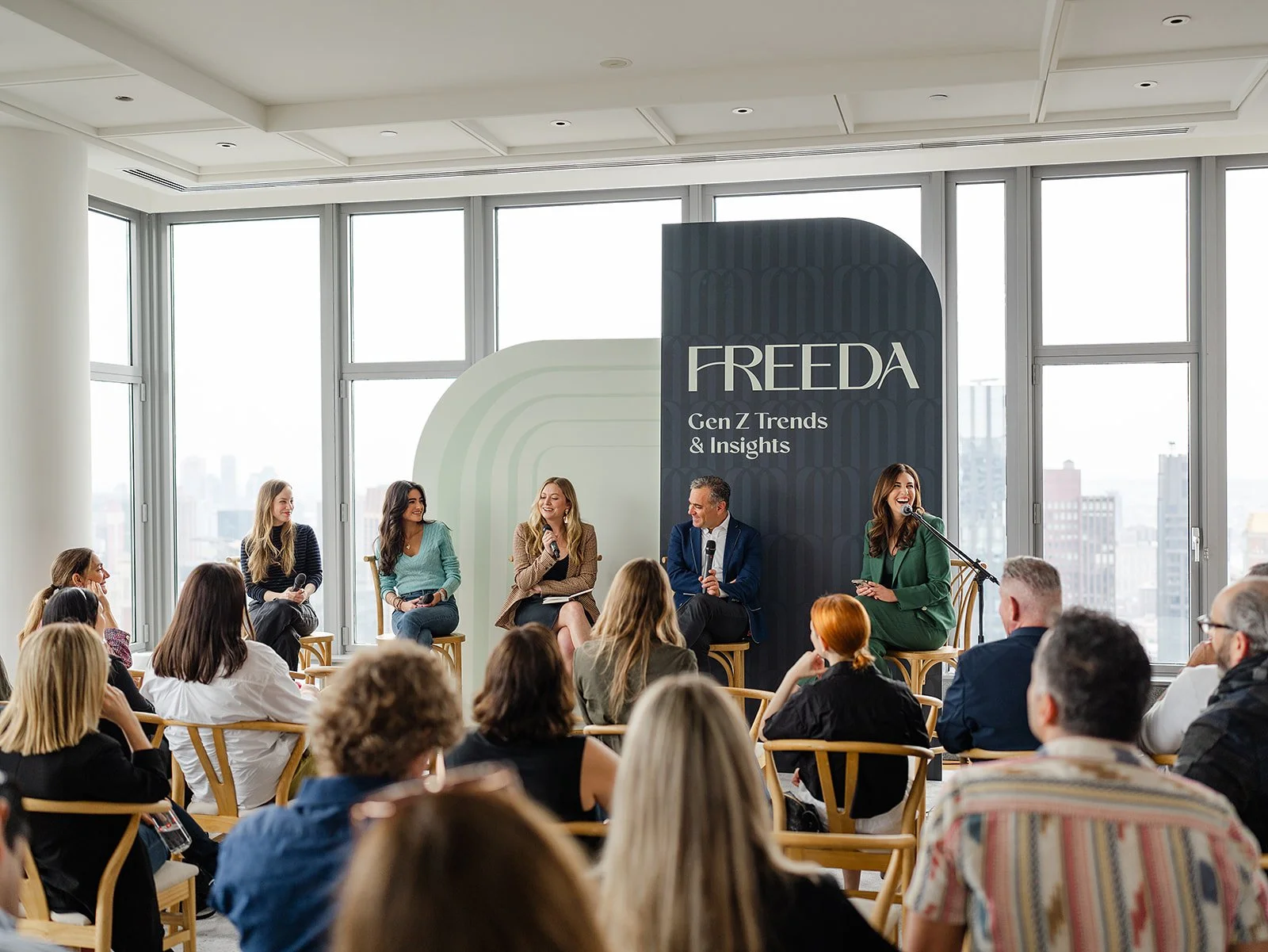
Freeda was built around a need Anja kept seeing among established founders: people were successful, but isolated. They were respected, but not always supported. They had industry acquaintances, but not always true peers.
That is a very specific kind of loneliness.
It can happen when your work looks polished online, your calendar is full, your team depends on you, and everyone assumes you are fine because the business appears to be working. But a mature creative business carries weight. There are payroll questions, pricing decisions, client expectations, team dynamics, burnout, ambition, motherhood, marriage, travel, and the strange pressure of having to appear grateful while still being exhausted.
A crowded cocktail party is not always where those conversations happen.
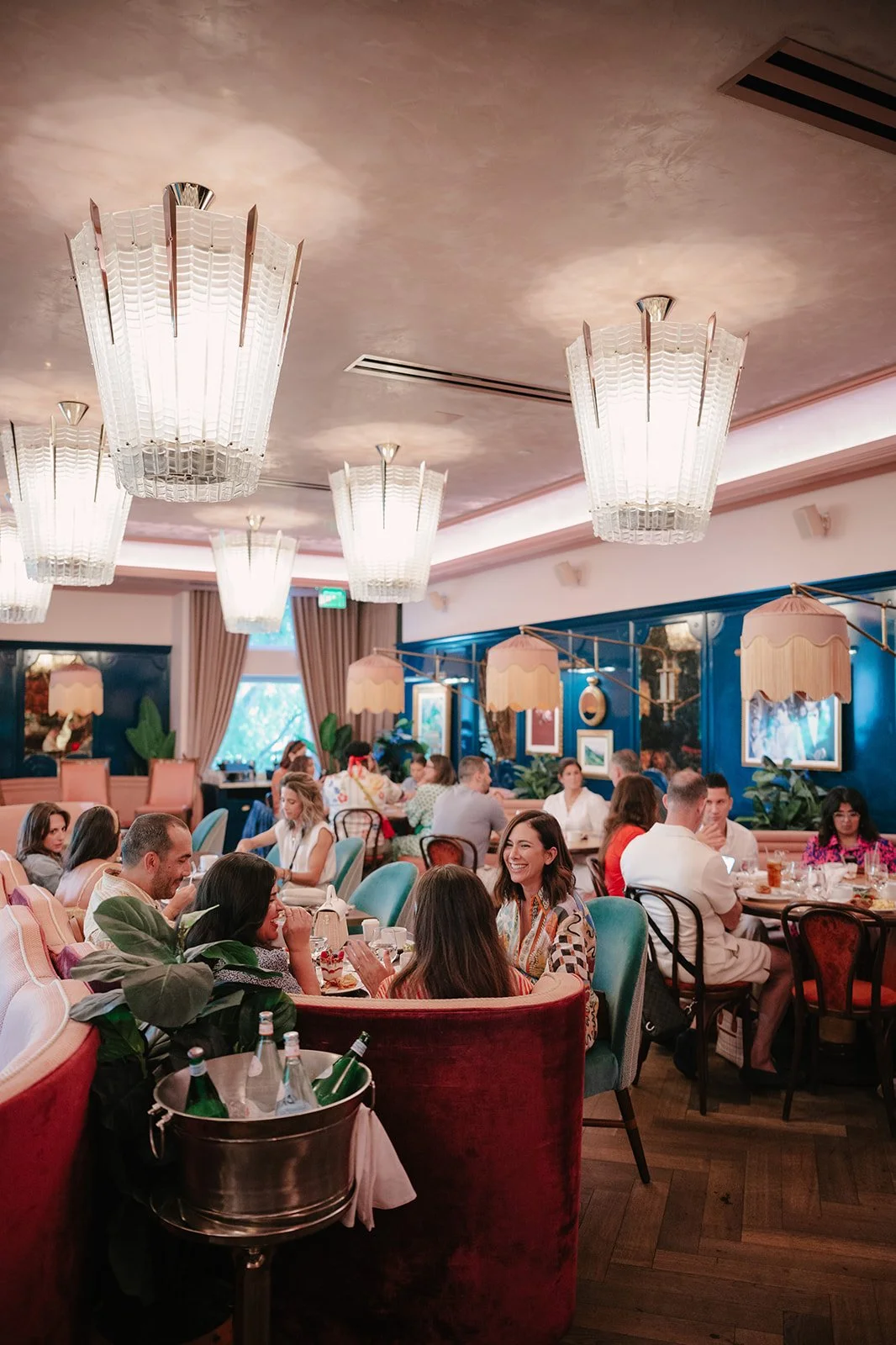
Anja’s point was not that large gatherings are wrong. They have their place. They create energy, exposure, momentum, and a sense of what is happening in the broader industry. But large rooms often encourage performance. Small rooms allow participation.
That sentence stayed with me.
In a small, trusted room, the conversation changes. People are less likely to posture. They ask better questions. They admit what is unfinished. They say, “I am not sure how to handle this,” or “This part of the business is not working,” or “I thought I wanted growth, but I am not sure I want what comes with it.”
That kind of honesty is difficult to access in public. It requires discernment, privacy, and the right mix of people.
For creative founders, the right room can sharpen your thinking. It can expose the gaps in your systems. It can raise your standards. It can help you see that what you considered “normal” in your service model may actually be exceptional, or that what you thought was elevated may need more structure.
For a Charleston wedding planner producing multi-day weddings, or a photographer working across destination markets, that perspective matters. The client is no longer always hiring locally. The work is national, sometimes international. The expectations are shaped by multiple markets. A founder who only hears from people in her immediate circle may miss how quickly the standard is shifting.
Longevity Is Less Glamorous Than It Looks
There was a point in the episode when the conversation moved from influence to longevity, and it felt like the part many founders need to hear.
Longevity in this industry is not just about staying relevant. It is not about being constantly booked, constantly visible, or constantly praised. It is not even about having a calendar full of beautiful events.
A lasting business needs systems. Boundaries. Financial clarity. Emotional resilience. Relationships that can sustain you through different seasons of work and life.
That may not be as glamorous as the finished photographs, but it is what allows the work to continue.
The wedding and event industry often celebrates momentum. Who is growing? Who is expanding? Who is everywhere? Who is being published? Who is producing the next extraordinary weekend? There is an unspoken pressure to appear in demand at all times.
But a mature founder begins to ask different questions.
What kind of life does this business create for me? What pace can I actually sustain? What am I no longer willing to sacrifice? What should I stop doing? What parts of the business look good from the outside but are quietly costing too much internally?
Those are not the questions people usually ask when they are chasing validation. They are the questions that come when a business has grown enough to require deeper stewardship.
This is where leadership becomes less performative and more personal. Not soft. Not vague. Personal in the sense that the business must reflect what the founder can responsibly hold.
A sophisticated event firm cannot run on adrenaline forever. The work may be emotional, visual, and deeply human, but the foundation has to be operationally sound. The service has to be clear. The money has to be understood. The team has to know what is expected. The client should not feel the disorder behind the curtain.
Credibility Is Becoming Harder to Fake
Reagan and Anja also talked about what it means to build authority when social media is still necessary but no longer enough.
This is one of the more difficult tensions in a visual business. Our work needs to be seen. The images matter. Editorial presentation matters. Taste matters. But when every feed is full of beautiful work, clients begin looking for signals that are harder to fake.
They are not only asking, “Is this pretty?”
They are asking, “Can this person handle the pressure of my life?”
That is a different question entirely.
A discerning client is paying attention to the way you speak, the way you explain your process, the rooms you are in, the people who trust you, the discretion you communicate, and the consistency between your public presence and private reputation. They are noticing whether your brand feels grounded or hungry for attention. They are sensing whether your authority comes from depth or from performance.
This is why a clear point of view matters.
Not a tagline dressed up as strategy. Not a content calendar full of polished but hollow statements. A real point of view about how you work, who you serve, what you protect, what you value, and where your standards live.
For Reagan Events, this is the part of the conversation that connects directly to hospitality. Trust is not built in one dramatic gesture. It is built through overcommunication, discretion, calm pacing, clean systems, thoughtful design, and the quiet confidence of a team that has already considered what the client has not had time to ask.
That is credibility.
The Next Five Years Will Require More Mature Founders
When Reagan asked what the wedding industry will need from founders in the next five years, Anja’s answer came back to maturity.
More emotional intelligence. More operational discipline. More discernment around what we say yes to. More clarity in how we lead teams, speak to clients, manage money, and respond to technology and cultural change.
The industry is no longer in the same place it was five years ago. The post-pandemic surge has settled. Clients are more informed. Expectations are higher. Transparency matters more. The old signals of success are not disappearing, but they are being questioned.
It is no longer enough to say you are transparent. The backend of the business has to prove it.
It is no longer enough to say you are high-touch. The client experience has to feel considered at every point of contact.
It is no longer enough to say you value privacy. Your process, your team, your vendor communications, and your public-facing content have to support that standard.
That is the kind of maturity that will separate the businesses built for a moment from the businesses built for a legacy.
For the Founder Who Feels Successful but Unsupported
Near the end of the episode, Reagan asked Anja what she would tell the founder who feels successful on paper but unsupported behind the scenes.
Anja’s answer was steady: you are probably not as alone as you think.
Most high-achieving people carry things privately. Decision fatigue. Fear of disappointing others. The weight of being “on” all the time. The quiet pressure to keep proving yourself, even after you have technically arrived.
The answer is not simply to join more rooms. It is to become more thoughtful about which rooms allow you to be more fully yourself.
That distinction matters.
A better room does not just give you contacts. It gives you perspective. It gives you language for what you are carrying. It gives you people who understand the difference between a business that looks impressive and a business that actually feels healthy.
For creative founders, that may be one of the most important questions to ask now.
Not just how do I grow?
But who helps me grow with more honesty, more clarity, and more support?
Listen to our full conversation via Spotify or Apple Podcasts.