
Best Time of Year for a Kiawah Island Wedding: A Season and Weather Guide
Kiawah is a barrier island, and the same ocean proximity that draws couples to it in the first place is also why the calendar is a real planning variable, not just a preference. Once you understand why couples choose Kiawah Island for a destination wedding, the next practical question is what each part of the year actually asks of an outdoor, coastal celebration there.
Unlike an inland or urban venue, a barrier-island wedding puts weather closer to the center of the plan rather than at the edge of it. That doesn't mean any particular season is off the table. It means the season a couple chooses should be chosen deliberately, with a clear sense of what it will actually ask of them and their guests, rather than picked around a preferred month on the calendar alone.
What Does Hurricane Season Mean for a Kiawah Wedding?
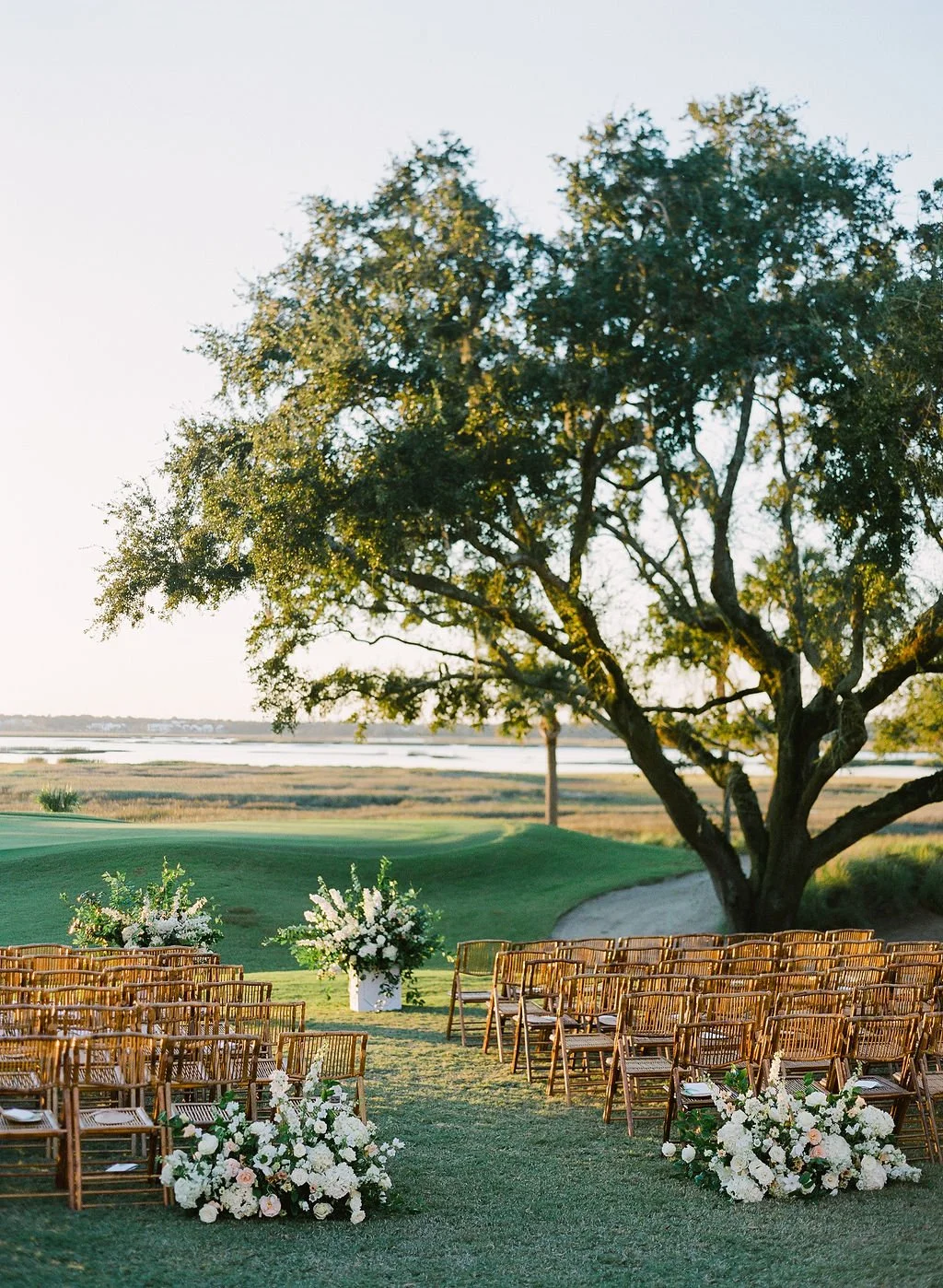
The Atlantic hurricane season officially runs from June 1 through November 30, and a Kiawah date inside that window isn't automatically a problem, but it does require an honest conversation before booking. Couples need to thoroughly understand what their wedding looks like in a worst-case weather scenario: are they comfortable in a tent with sidewalls, moving into a ballroom, or watching the plan shift in other ways because of weather? If the answer is no, the more sensible move is choosing a date outside hurricane season, or a venue that isn't as exposed to it in the first place.
A real rain plan matters just as much as the date itself. When it rains on Kiawah, a ceremony most often has to move indoors, which makes it essential to confirm exactly where that indoor space is when the venue is booked, not after. Tenting a ceremony is possible, but because most of Kiawah's ceremony venues sit on the water, the risk of blowing rain is high enough that a tented ceremony may not be the most comfortable option.
Peak hurricane risk in the Atlantic basin tends to cluster in August, September, and into early October, which is worth factoring in separately from the broader June-through-November window. A date in early June or late November still falls inside hurricane season technically, but it carries meaningfully less risk than a date in the heart of that peak stretch. Couples set on a summer or early-fall date should treat the contingency plan as a real part of the venue decision, not a formality, and should confirm with the venue how far in advance a move-indoors call typically needs to be made.
What Is Summer Really Like on Kiawah for a Wedding Weekend?
Coastal South Carolina summers bring real heat, humidity, and the kind of bugs that show up reliably once the weather warms. None of that rules out a summer wedding, but it does call for planning that assumes those conditions will happen rather than hoping they won't: later ceremony start times that avoid the hottest part of the afternoon, shade and cooling for guests seated outdoors, and attire guidance that accounts for the humidity rather than working against it. Simple additions, like handheld fans as part of the ceremony programs, water stations before guests are seated, and misting fans near a cocktail hour, make a meaningful difference in guest comfort during the hottest months without changing the design of the event itself.
Insect activity is also worth planning around directly rather than treating as an afterthought. Coastal marsh and maritime forest settings, which make up much of Kiawah's natural scenery, tend to see more mosquito activity in the warmer months, particularly around dusk. Scheduling outdoor cocktail hours earlier in the evening, or having citronella or other insect deterrents available discreetly, are small adjustments that protect the guest experience without requiring a different venue altogether.
Why Do Late October and Early November Stand Out?
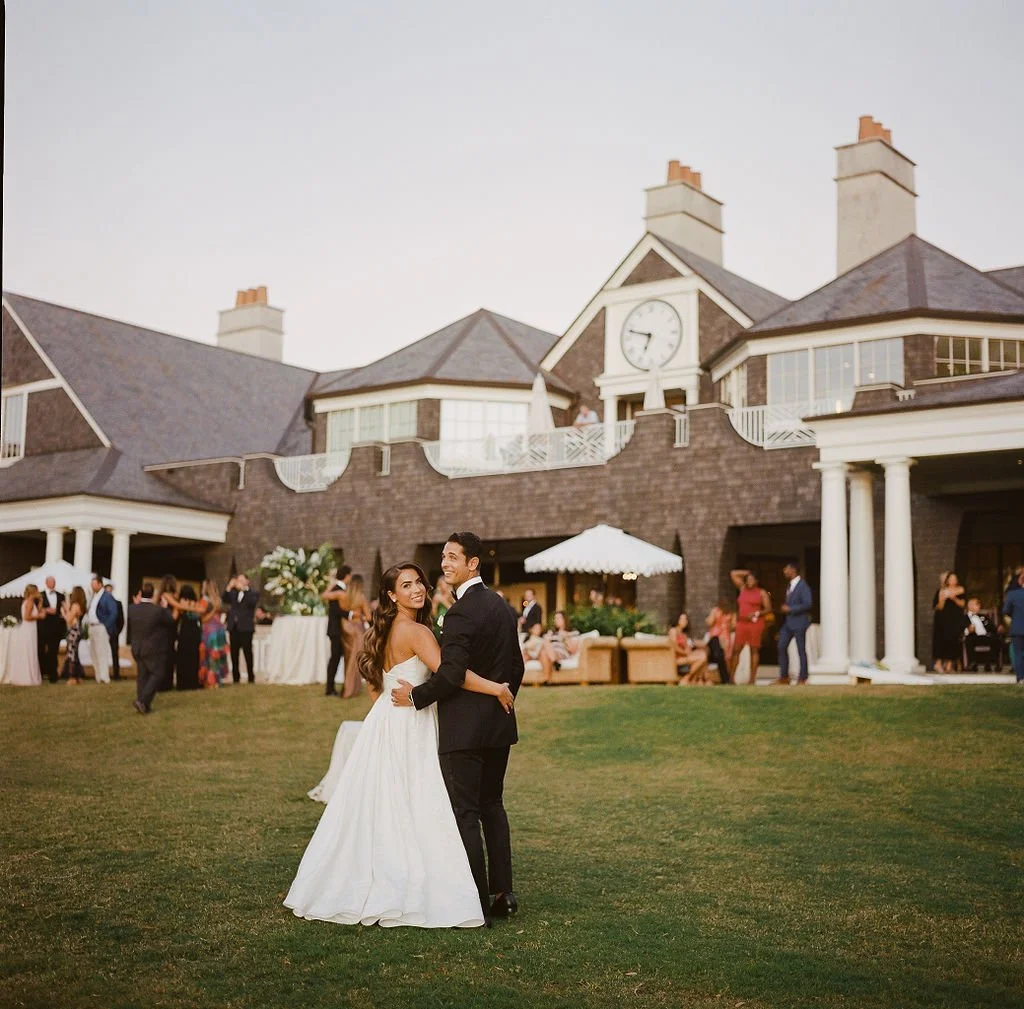
Late October and early November are consistently the strongest window for a Kiawah wedding: hurricane season has effectively wound down, temperatures cool off, and the Lowcountry generally settles into calmer weather. That same appeal drives demand, so couples drawn to this stretch should expect earlier booking timelines and higher pricing than shoulder months carry elsewhere in the year. Venues and preferred vendors booking a year or more out is common for this window specifically, which makes it one of the few times on the calendar where locking in a date early is less about preference and more about availability.
What About a Spring Wedding on Kiawah?
Spring is the Lowcountry's other strong shoulder season, with comfortable temperatures and some of the most visually striking natural scenery of the year, as azaleas and other flowering plants bloom across the region. It comes with its own trade-off, though: pollen counts in the Lowcountry rise noticeably in early-to-mid spring, which can affect guests with allergies and, in heavier years, leave a visible layer on outdoor surfaces that venues need to manage before an event. Late spring generally sees pollen taper off while temperatures are still comfortable, making it a reasonable middle option between the deep pollen season and the arrival of summer heat.
Winter as an Underused Option
For couples less committed to guaranteed warmth, winter remains a genuinely underused option on Kiawah. Availability tends to be easier to secure and pricing more favorable, which can matter more than weather certainty for some guest lists and budgets. Winter days are shorter, which affects the timing of an outdoor ceremony and any photography planned around natural light, so that scheduling detail is worth working through early with the venue rather than assuming a summer timeline will simply shift.
How Should You Talk to Guests About Weather Expectations?
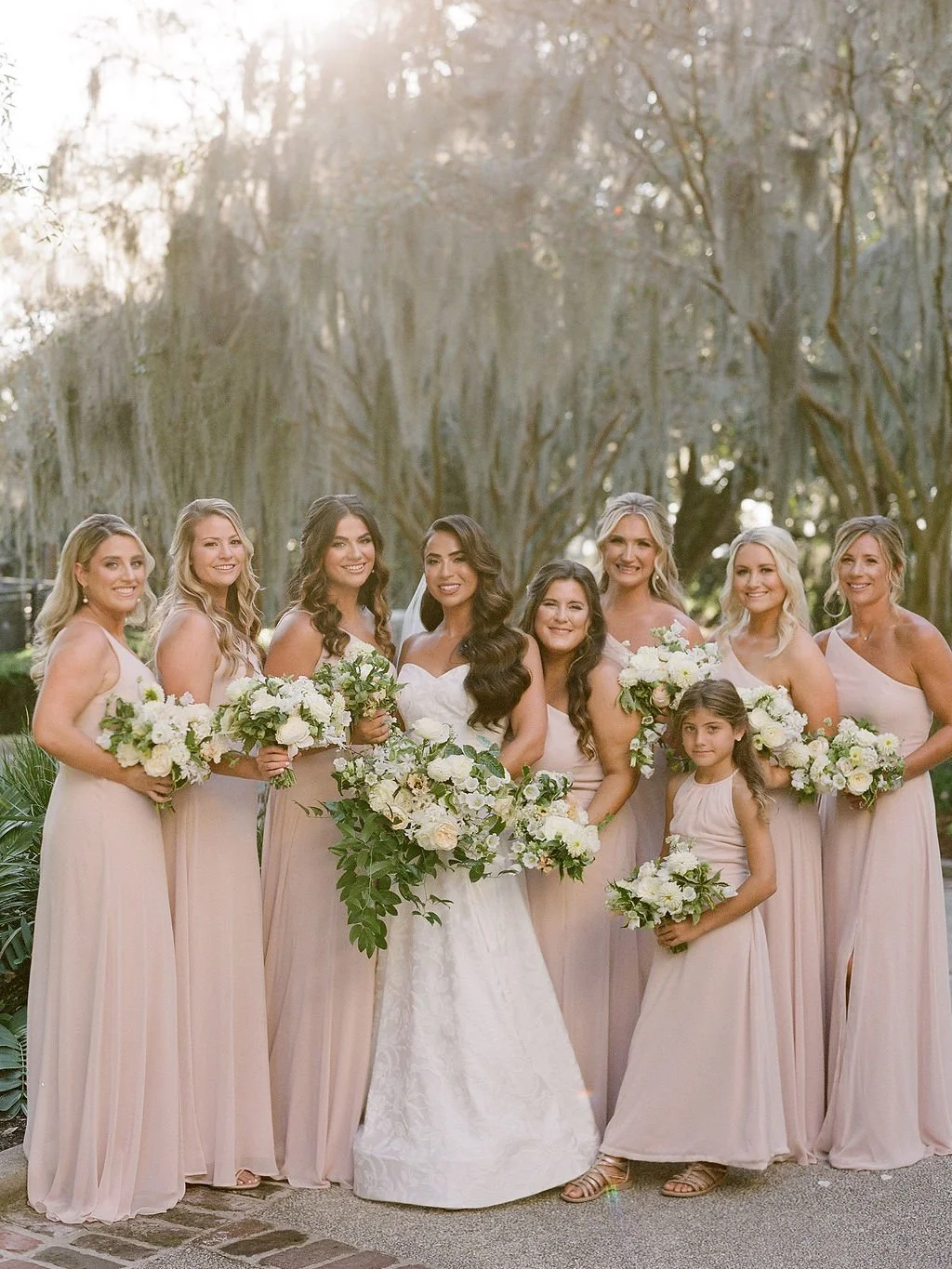
Being realistic with guests matters as much as being realistic with yourself. Couples planning a hurricane-season or summer date generally do their guests a favor by setting expectations early, on the wedding website or in the invitation suite itself: a note about expected heat and humidity, a suggestion to bring a lightweight layer for evening events, or a heads-up that the ceremony location has a rain contingency built in. None of that undercuts the celebration. It simply means guests arrive prepared rather than surprised, which matters even more for anyone traveling from a cooler climate who may not think to plan around Lowcountry humidity or sudden afternoon storms on their own.
The same honesty applies to the couple's own planning conversations with their venue and vendor team. Asking directly what percentage of weddings in a given month end up needing the rain plan, and what that plan actually looks like in practice rather than in theory, gives a much clearer picture than assuming a beautiful venue photo represents typical conditions. A venue team that can answer that question specifically and confidently is generally a good sign; vague reassurance is not.
How Does Weather Affect Design and Photography Choices?
Season shapes more than comfort. It also affects what a design and photography plan can reasonably promise. A summer afternoon ceremony works against strong, direct light and heat, which is part of why many Kiawah ceremonies are scheduled later in the day regardless of season, closer to golden hour, when the light is softer and temperatures have started to drop. Floral choices are also worth season-testing with a designer: certain blooms hold up poorly in extended heat and humidity, while others are far more resilient, and a design plan built around the wrong flowers for the season can wilt visibly before the reception even begins. None of this requires avoiding a particular season. It requires building the design and timeline around what that season will actually do to flowers, light, and guest comfort, rather than assuming a plan that works beautifully in October will translate directly to July.
How Does Season Affect the Rest of the Weekend, Not Just the Ceremony?
A Kiawah wedding weekend usually includes more than the ceremony itself: welcome events, beach or golf outings, and time for guests to enjoy the island beyond the wedding day. Season affects all of that, not just the vows. A summer weekend calls for shaded or indoor options during the hottest midday hours, while a hurricane-season weekend benefits from a loosely flexible schedule that can absorb a delayed outing if a storm system passes through. Couples marrying in the cooler shoulder months generally have the most flexibility to plan outdoor guest activities without needing a backup plan for each one.
A beach welcome event, for instance, reads very differently depending on the month. In late spring and early fall, a beach gathering in the late afternoon is usually comfortable for most of the day. In peak summer, the same event works better scheduled around sunset, after the midday heat has broken, with shade or a covered structure available for guests who want it earlier. Golf outings, a common addition to a Kiawah wedding weekend given the island's courses, are similarly worth scheduling around the cooler parts of the day in summer rather than midday, both for guest comfort and for the practical reality that afternoon thunderstorms are common in the Lowcountry during the warmer months.
Frequently Asked Questions
Is it risky to plan a Kiawah wedding during hurricane season?
It's not automatically risky, but it does require a real contingency plan the couple has actually thought through, not just a backup mentioned in passing. If a couple isn't comfortable with the possibility of moving indoors or adjusting the plan, a date outside the June through November window is the safer choice.
What's the best month for an outdoor Kiawah ceremony?
Late October and early November tend to offer the most reliable combination of comfortable temperatures and lower storm risk, though they also come with higher demand.
Do most Kiawah venues require a rain contingency plan?
Effectively yes. Because most ceremony venues sit on the water, a real indoor or covered option needs to be identified and confirmed at the time of booking, not treated as an afterthought.
Is a winter wedding on Kiawah a good idea?
It can be, especially for couples prioritizing availability and value over guaranteed warm weather. It's a genuinely underused window on the island, though shorter winter days affect ceremony timing and photography light.
How far in advance should you book a peak-season Kiawah date?
Late October and early November draw the most demand of any Kiawah wedding window, so those dates should be secured earlier than a typical summer or off-peak booking timeline, often a year or more out.
Is spring a good alternative to fall on Kiawah?
Yes, with a trade-off: spring offers comfortable temperatures and striking natural scenery, but pollen levels rise noticeably in early-to-mid spring before tapering off later in the season.
Planning Around the Season
Choosing a season is really a decision about how much weather risk a couple is comfortable managing, and that decision should shape the rest of planning your Kiawah Island wedding, including the Kiawah venue options that fit the season chosen. Reagan Events has worked through enough of these weekends to know how we plan around weather and logistics long before the wedding weekend arrives. Start planning your Kiawah date once you have a season in mind.