
Tuscany vs. Amalfi Coast Wedding: Which Region Fits Your Celebration?
Both Tuscany and the Amalfi Coast can support a stunning Italy wedding, but they ask very different things of a couple and their guests. The right one isn't a matter of which region photographs better. It comes down to the kind of weekend you actually want to create, and how much that weekend asks of the people traveling to be part of it.
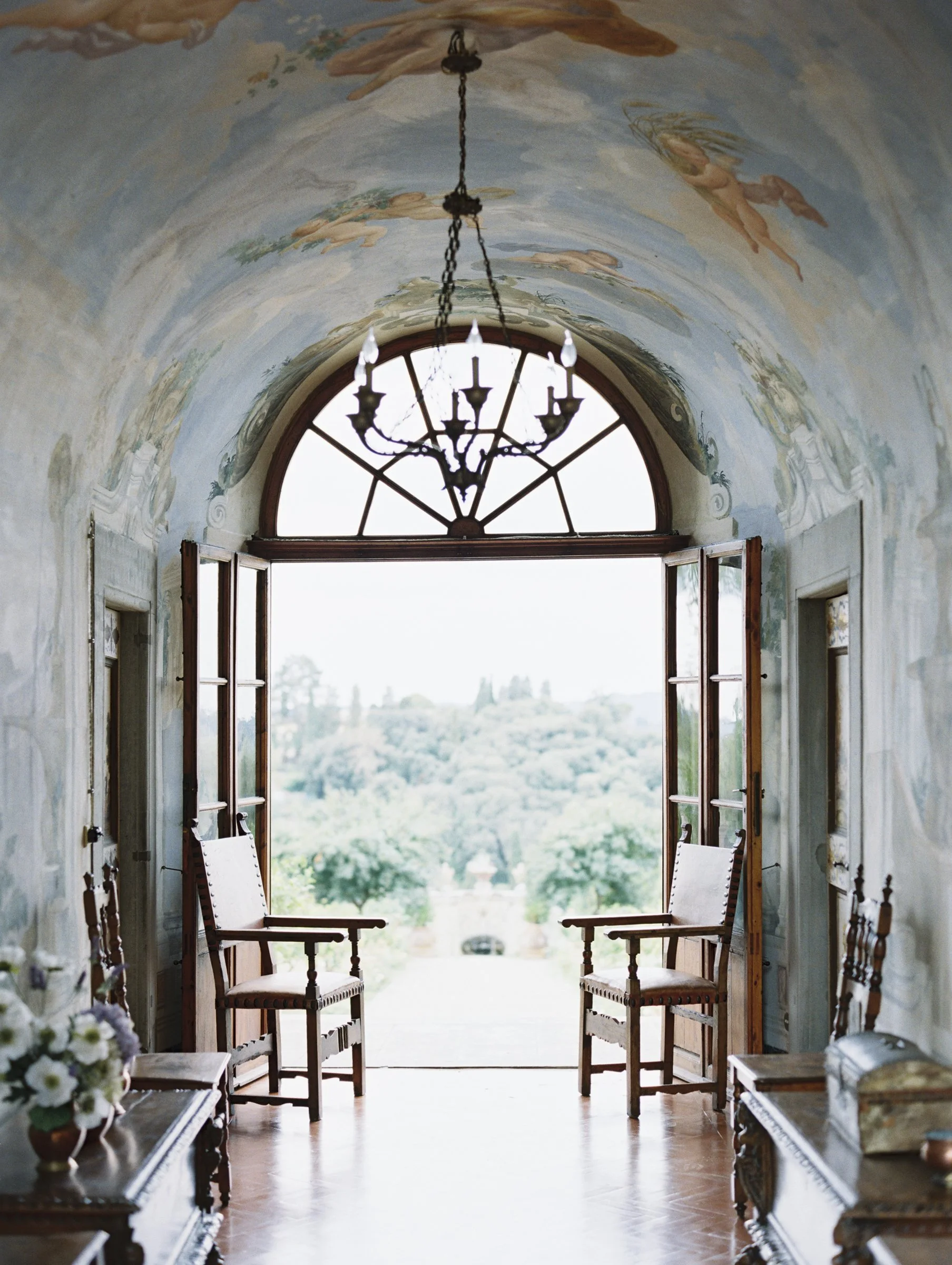
How Do Tuscany and the Amalfi Coast Differ in Feel and Formality?
Couples drawn to Tuscany are usually looking for a more laid-back, nostalgic Italian experience, one where guests settle in, relax, and maybe take a day trip or two to a nearby town rather than moving quickly from place to place. The pace tends to be slower by design: a welcome dinner in a vineyard courtyard, an afternoon with nothing scheduled, a ceremony that doesn't compete with a packed itinerary. Couples drawn to the Amalfi Coast tend to want the opposite energy: more vibrancy, more time in the sun, and a stronger pull toward being on the water. A typical Amalfi weekend leans into that verticality and views, with events that move between terraces, boats, and coastal towns rather than settling into one countryside property for the whole stay.
Neither is a better choice in the abstract. It depends entirely on which of those two moods actually describes the wedding you're picturing, and, just as importantly, which one describes the guests you're inviting. A guest list full of people who'd rather explore than sit still may respond better to the Amalfi Coast's built-in variety. A guest list that includes a lot of extended family looking for a relaxed, low-pressure trip may be better served by Tuscany's slower rhythm.
Which Region Is Easier for Guests to Get To?
Tuscany's travel reality is easy to underestimate. A Tuscan venue typically sits at least an hour, often more, from the nearest major airport, and the region itself is vast and reached through a matrix of back roads rather than a single direct route. For guests already making a long trip from the U.S., that drive is a real second leg of the journey, not an afterthought, and it's worth setting expectations for before anyone books flights. Guests connecting through Florence or Pisa should plan for that final stretch as its own leg of travel, arriving tired from an international flight and then facing an hour or more on regional roads before reaching the property.
The Amalfi Coast's main gateway is Naples, and getting from there to a coastal venue means winding, cliffside coastal roads rather than Tuscany's countryside back roads. Those roads are narrow and slower than their distance on a map would suggest, so a trip that looks short can still take a meaningful amount of time. The two regions don't trade a hard trip for an easy one; they trade one kind of travel demand for a different one, and both deserve honest advance notice to guests, ideally in the form of a suggested arrival window rather than a specific flight recommendation.
Guest Mobility Considerations
The Amalfi Coast's terrain is part of its character: many properties and towns are built into the hillside, which often means stairs and uneven ground between spaces. That's worth flagging directly for guest lists that include older relatives or anyone with mobility concerns, since even a beautiful cliffside property may require guests to navigate several flights of stairs between the ceremony space, the reception, and their accommodations. Tuscany's countryside estates are generally flatter within the property itself, though the trade-off there is the length of the overall journey to reach one, plus the gravel drives and uneven courtyard surfaces common to older villas, which are their own, different mobility consideration.
Neither challenge is a reason to rule out a region outright. It's a reason to ask specific questions of a venue before booking: how many steps separate the ceremony space from the reception, whether an elevator or accessible path exists as an alternative to stairs, and how far guests will realistically need to walk between the property's different areas over the course of an evening. A venue team that can answer those questions clearly, rather than gesturing vaguely at "it's very walkable," is usually a good sign that guest mobility has actually been considered before.
How Does Venue Style and Production Differ Between the Two Regions?
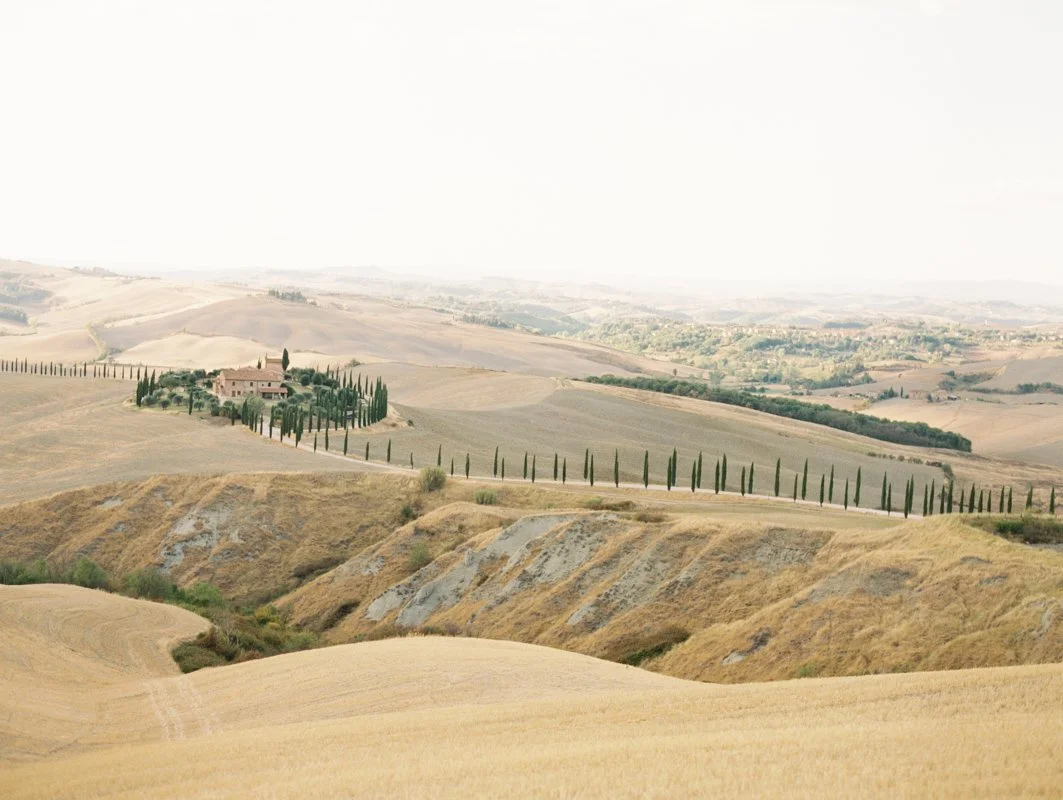
The two regions also produce differently. Tuscany's countryside villas and vineyard properties tend to offer more open, flexible land: room for a large tent, multiple ceremony and reception locations on one property, and more forgiving load-in access for a production team bringing in furniture, lighting, and floral installations. That flexibility is part of why Tuscany can comfortably host a larger, more elaborate production without the same physical constraints a coastal property might impose.
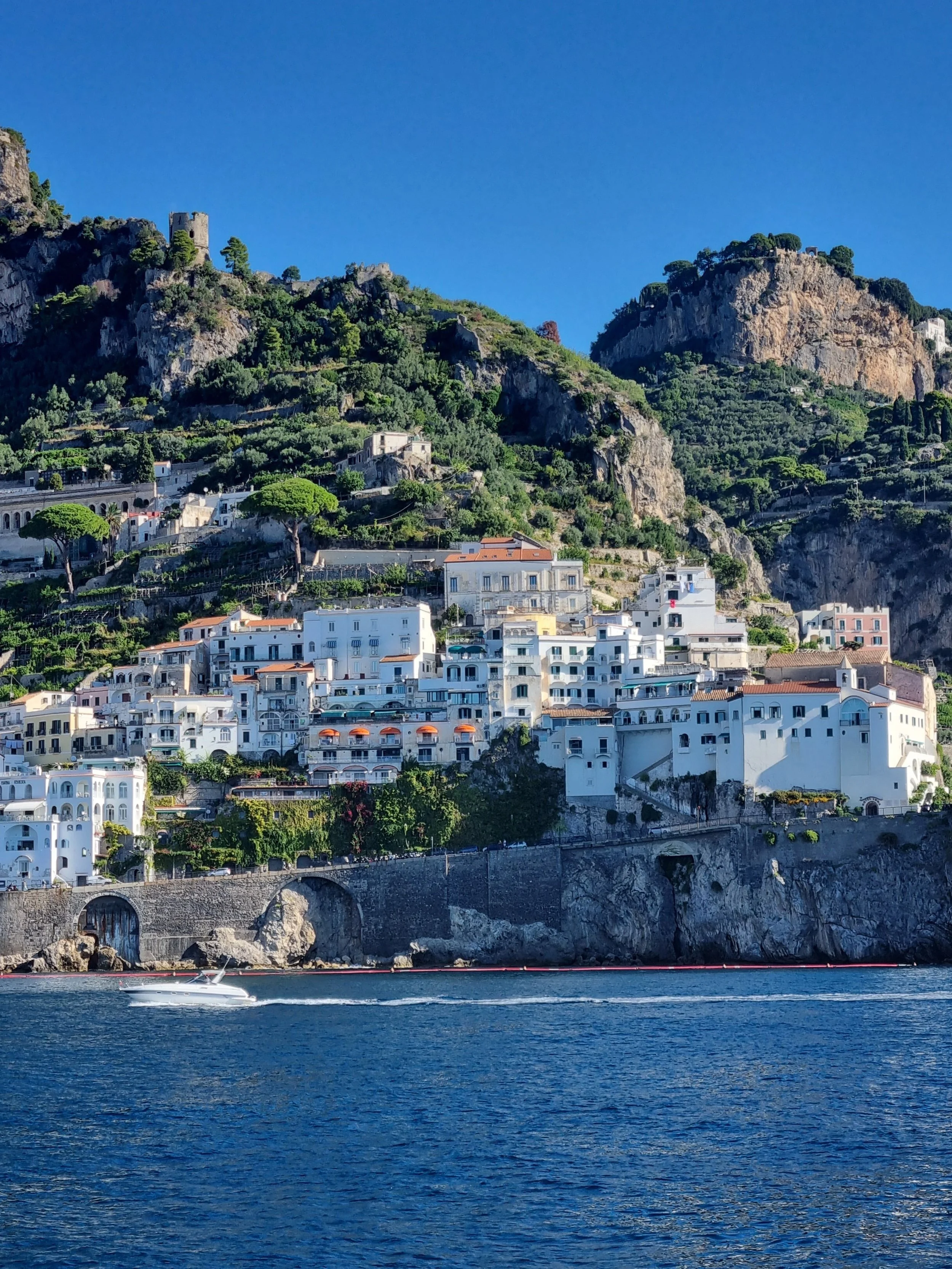
The Amalfi Coast's cliffside terraces and coastal properties work within a more fixed footprint. Space is often more limited, access for vendors can mean navigating the same narrow roads guests use, and a design plan has to work with the property's existing terraces and views rather than reshaping the space significantly. That's not a disadvantage so much as a different kind of design problem: the Amalfi Coast's dramatic setting often does more of the visual work on its own, which can mean a simpler production achieves a striking result in a way that would require more building from scratch in an open Tuscan field.
How Does Weather and Season Compare?
Both regions share a similar wedding season, generally running from late spring through early fall, when the weather is most reliable for outdoor events. Tuscany's summers run hot and dry, particularly in July and August, which affects everything from guest comfort during a midday ceremony to how floral arrangements hold up outdoors. The Amalfi Coast, being coastal, tends to run slightly cooler with sea breezes tempering the peak heat, though summer humidity and the popularity of the coast during Italian and European vacation season can mean more crowded towns and roads during the same window Tuscany sees its heaviest heat. Shoulder-season dates in late spring or early fall are worth considering in both regions for couples who want comfortable temperatures without the peak-summer trade-offs each region carries in its own way.
Peak summer also affects logistics beyond weather in both regions. Tuscany's popularity as a summer travel destination for Italians and international visitors alike means restaurants, drivers, and other local services are in higher demand during July and August, which can affect everything from restaurant reservations for a rehearsal dinner to the availability of local transportation. The Amalfi Coast sees the same seasonal pressure, arguably more intensely, since its towns are smaller and its road network more limited than Tuscany's, which makes advance planning and local vendor relationships matter more during peak months in either region.
What Does a Typical Wedding Weekend Look Like in Each Region?
A Tuscany weekend tends to unfold slowly across a single property or a small cluster of nearby locations. A welcome dinner might happen in a vineyard courtyard the evening guests arrive, followed by a day with room to breathe, perhaps an optional excursion into a nearby hill town, before the ceremony and reception take place on the same estate where guests are staying. That structure keeps travel within the weekend itself to a minimum once everyone has made the initial trip out from the airport, which reinforces the relaxed, settled feeling couples are usually drawn to Tuscany for in the first place.
An Amalfi Coast weekend is generally more mobile. Events often move between locations: a welcome gathering on a terrace overlooking the water, a boat excursion along the coastline, and a ceremony or reception at a different property than where guests are staying, connected by short but often winding drives or, in some cases, a boat transfer. That built-in movement is part of the energy couples are drawn to on the Amalfi Coast, but it also means more coordination for the couple and their planning team: more transportation legs to schedule, and more moving pieces for guests to keep track of across the weekend.
What Should Influence Your Final Decision?
If a couple is genuinely torn, the first real question to ask is simple: what's the vibe you're going for, relaxed or energetic? That single answer tends to do most of the work in choosing between the two. From there, guest list composition, comfort with either the drive-time reality of Tuscany or the terrain reality of the Amalfi Coast, and how much production flexibility the design vision requires all help narrow a decision that ultimately comes down to matching the region's real character to the wedding a couple actually wants. Touring both in person, when that's realistic, often settles a close decision faster than any amount of comparing photos online, since the pace and feel of each region tend to be obvious the moment a couple is actually standing in one.
Frequently Asked Questions
Which region is easier for guests to reach?
Neither is simply "easier." Tuscany typically means a longer drive from the airport through back roads, while the Amalfi Coast means a shorter but winding, cliffside route from Naples. Both are worth explaining to guests ahead of time.
Which region is better for elderly or mobility-limited guests?
It depends on which challenge matters more for your guest list: Tuscany's countryside venues tend to be flatter but farther from the airport, while the Amalfi Coast is closer to its main gateway but built into hillside terrain with more stairs and uneven ground.
Can you combine a Tuscany and Amalfi Coast celebration in one trip?
Geographically, yes. Some couples build a multi-stop Italy trip around both regions, though that adds its own travel planning on top of the wedding itself.
What's the first question to ask if you're stuck deciding?
Whether you want the weekend to feel relaxed or energetic. That answer usually narrows the decision more than any other single factor.
Is one region more formal than the other?
Tuscany tends to lean toward a more settled, nostalgic tone, while the Amalfi Coast leans more vibrant and social. Formality within either region still depends heavily on the specific venue and how the weekend is designed.
Which region offers more flexibility for a large or elaborate production?
Tuscany generally does, given its more open land and flexible load-in access. The Amalfi Coast's fixed, dramatic terraces often achieve a striking result with a simpler design, but within a more constrained footprint.
Choosing the Right Region
Whichever region fits, planning your Italy destination wedding starts with the same question this comparison is built around: what kind of weekend do you want your guests to have. If Tuscany and the Amalfi Coast aren't the full picture yet, how Lake Como compares to Tuscany is worth a look, alongside what U.S. couples should know before planning in Italy. Meet the team behind Reagan Events' Italy weddings, then start planning your Italy wedding when you're ready.