
How to Choose a Wedding Photographer for a Destination Wedding Weekend
Hiring a photographer for a single local wedding day and hiring one for a multi-day destination weekend are not the same decision. A portfolio full of beautiful photos from the same handful of venues doesn't tell you whether that photographer can travel, adapt to an unfamiliar property, and document several events instead of one, and that gap only becomes obvious once the weekend is already underway.
The stakes are also different. A local wedding photographer who has an off day, or misreads a venue's lighting, can sometimes be supplemented by other photos guests took, or by a strong relationship with the venue for a future shoot. A destination wedding offers none of that flexibility. The photographer is often one of a small handful of vendors traveling specifically for the event, working in a location they may not know well, documenting a celebration that, for most of the guest list, will never happen in quite the same combination of people and place again. That combination of unfamiliarity and irreplaceability is exactly why vetting a destination photographer deserves more scrutiny than checking a strong local portfolio and assuming it will translate.
Does the Photographer Have Real Destination Experience?
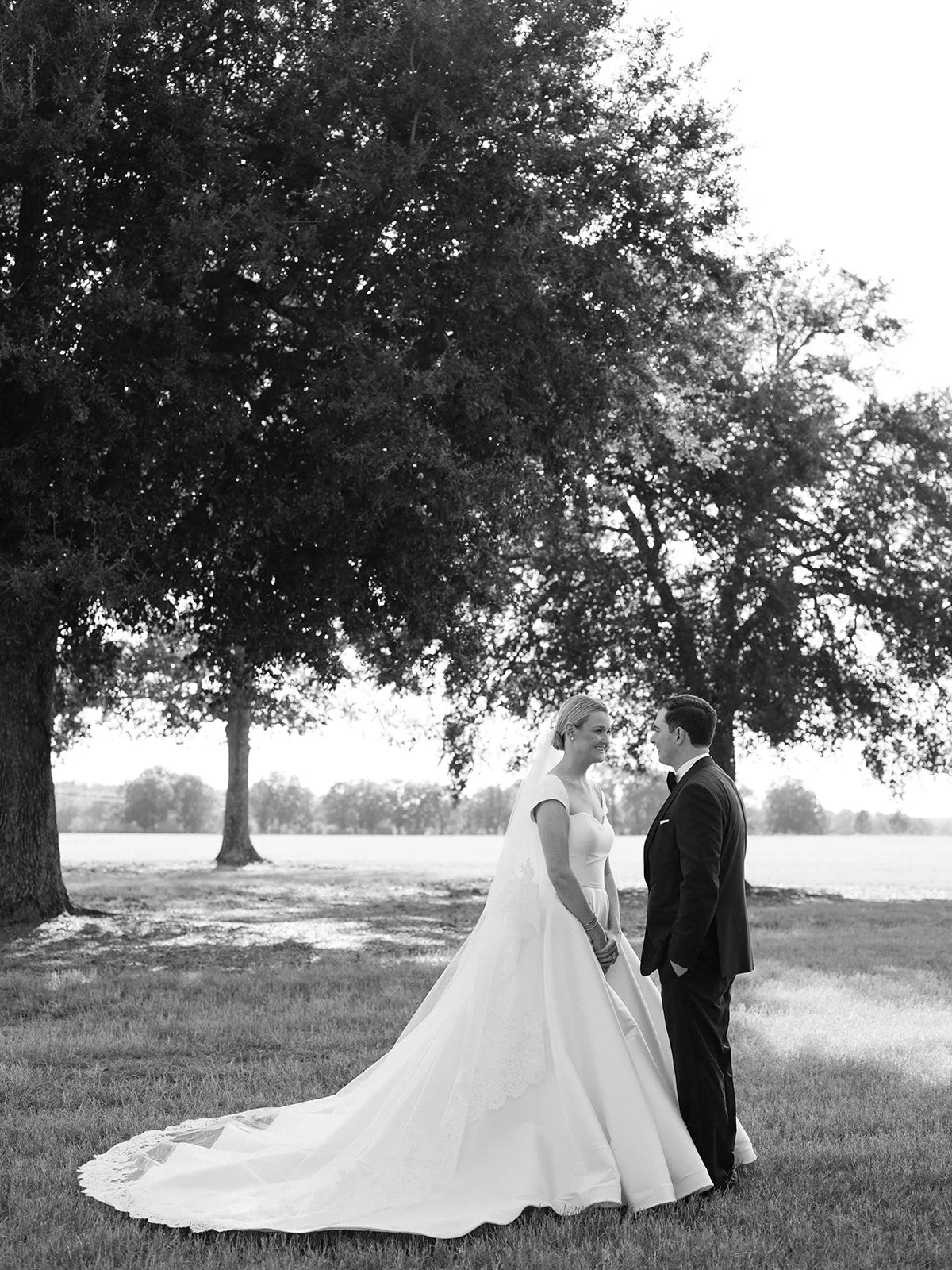
It's easy to master photographing the same familiar venues over and over. A photographer who's actually built for destination work is different: they're dynamic enough that they don't need to stick to one region to succeed. They can walk into an unfamiliar property, a different kind of light, a layout they've never shot before, and still deliver. That's a meaningfully different skill than being excellent at the five venues they know best, and it's worth asking directly about past weddings shot outside their home market, not just their strongest local work.
A useful way to test this in a portfolio review is to look specifically for variety: different climates, different times of year, different architectural styles. A photographer whose destination portfolio all looks remarkably similar, regardless of where the wedding took place, may be relying on a signature editing style to paper over less adaptable on-site work. A photographer whose images clearly respond to the light and setting of each individual location, rather than forcing every wedding into the same visual formula, is generally the stronger sign of real destination experience.
How Should Photography Coordinate with the Rest of Your Vendor Team?
Coordination between the photographer and the rest of the production team matters more than couples usually expect. Clear communication about exactly when the final room, the finished details, and the completed design can be photographed is essential: it has to happen after the other vendors have finished their work, but early enough that the couple actually gets those photos and the full effort of the vendor team is represented. Planning for at least 30 minutes to document the finished space is a reasonable baseline, and it only works if the schedule holds: the vendor team needs to stay on time, and the photographer needs to be able to break away at exactly the right moment, or have a second shooter positioned to step in.
This kind of coordination is easy to underestimate until it goes wrong. A florist running behind on a centerpiece, a rental company finishing table setup later than planned, or a lighting designer still adjusting fixtures can all quietly eat into the window a photographer needs to document the room before guests arrive. A strong production timeline builds in a buffer specifically for this handoff, rather than assuming it will simply happen between other scheduled items, and treats the photographer's need for a clean, finished room as a real deadline the rest of the vendor team is working toward.

What Should Be Covered Across the Full Weekend?
A single-day photographer mindset treats the ceremony and reception as the whole assignment. A destination weekend usually includes a welcome event, sometimes a rehearsal dinner, and often a next-day brunch, and each of those is a coverage decision, not an afterthought. Deciding upfront which events are photographed, and at what level of coverage, changes both the scope of the booking and its cost, so it's worth settling before a contract is signed rather than assumed.
Some couples choose full coverage across every event of the weekend; others choose to document only the more formal moments, like the welcome dinner and the wedding day itself, and leave more casual gatherings uncaptured on purpose. Neither approach is wrong, but it needs to be a deliberate choice made with the photographer in advance, since assuming coverage that wasn't actually booked is one of the more common sources of disappointment after a destination wedding weekend has already passed.
Working Around Venue Restrictions
Some venues limit where a photographer can shoot, restrict drone use, or set specific timing windows for certain spaces. These restrictions should be confirmed with the venue directly and shared with the photographer before the shot list is finalized, not discovered on the wedding day. It's worth asking a venue directly, early in the planning process, whether any locations on the property are off-limits for photography, whether aerial or drone shots require a separate permit or approval, and whether there are quiet hours or restricted-access windows that could affect a planned shot list.
How Should You Evaluate a Photographer's Style for a Destination Wedding?
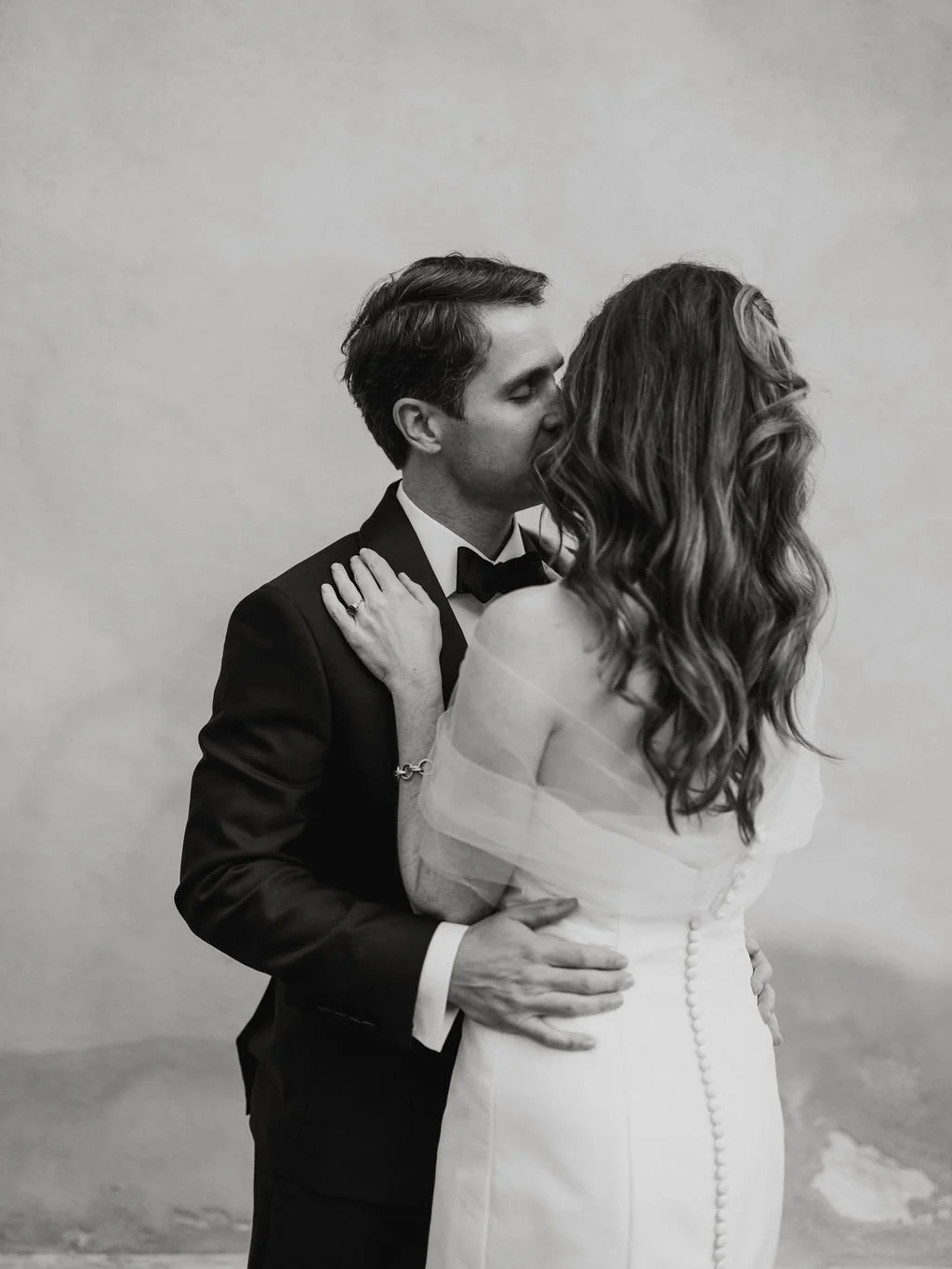
Photography style matters everywhere, but a destination setting adds a layer worth considering directly: how a photographer's editing and shooting style holds up in the specific kind of light and setting the venue offers. A style built around soft, overcast light may translate differently to a bright coastal or Mediterranean setting than it does to a shaded garden venue, and it's reasonable to ask a photographer how they'd approach the specific property being considered, not just review their general portfolio. It's also worth clarifying early whether video is part of the plan, since many photographers either offer it directly or work regularly with a specific videographer, and coordinating that relationship well in advance avoids adding a second, unfamiliar vendor into the mix close to the wedding date.
What Does a Realistic Photography Timeline Look Like Across a Weekend?
A full weekend of coverage benefits from a timeline built around when the light and the moments actually happen, not a generic hour-by-hour template. Outdoor portraits generally work best in the hour or two before sunset, which means the ceremony and reception schedule should be built with that window in mind rather than treating golden hour as a nice-to-have that gets squeezed out if the day runs late. Family portraits and formal group photos are worth scheduling with real time allotted rather than rushed between the ceremony and cocktail hour, since large groups take longer to organize than most timelines initially assume. Detail shots, of the finished room, the rings, the dress, and other elements that only exist in their complete form for a short window, need their own dedicated time on the schedule as discussed above, rather than being treated as something the photographer will simply find time for.
What Happens After the Wedding? Editing and Delivery Timelines
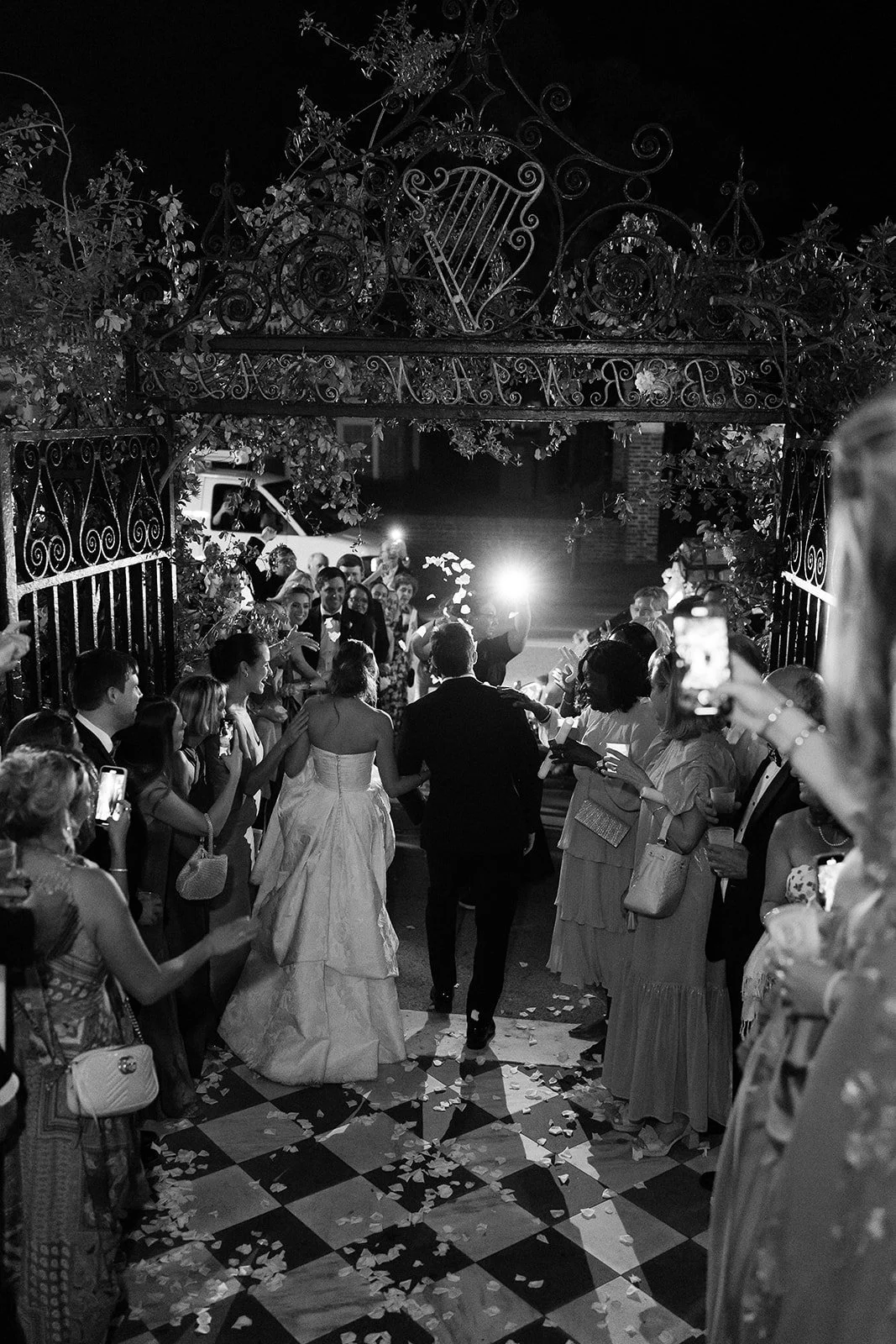
The relationship with a photographer doesn't end when the weekend does. A realistic turnaround timeline for a full edited gallery from a multi-day destination wedding generally runs longer than it would for a single-day local event, simply because there's more material to work through: several events, potentially thousands of images, and often a second shooter's files to incorporate as well. It's reasonable to ask directly what the typical delivery timeline looks like, whether a smaller preview gallery is provided sooner for sharing before the full set is ready, and how the photographer handles usage rights if the couple wants to share images before the official gallery is delivered.
It's also worth asking how backups are handled during the shoot itself. A destination wedding doesn't offer the easy do-overs a local wedding might; if a memory card fails or equipment is lost in transit, there's rarely a simple way to recreate the moment. A photographer who can speak clearly and specifically about their backup process, both during the event and immediately afterward, is signaling that they've thought seriously about what's actually at stake in documenting a once-only, multi-day event far from home.
What Should You Ask a Photographer Before You Book?
Ask to see a full gallery from a real wedding, not just the highlight images on Instagram. A hand-picked set of "money shots" can't tell you how a photographer actually documented an entire day, or an entire weekend: how they handled the parts that aren't as photogenic, how consistent the work is from first event to last, and whether the coverage feels complete rather than just impressive in short bursts.
Frequently Asked Questions
How far in advance should you book a destination wedding photographer?
Earlier than a local wedding typically requires, since a destination photographer is usually managing travel and a smaller number of weekend bookings around your date. Confirming interest and availability as soon as the date and venue are set is the safer approach.
Should your photographer cover the whole weekend or just the wedding day?
That's a coverage decision to make deliberately rather than assume. If a welcome event, rehearsal dinner, or next-day brunch matters to you, it needs to be built into the booking from the start.
Do destination photographers charge extra for travel?
Often, though the specifics vary by photographer and destination, so it's worth asking directly and getting it in writing rather than assuming it's included.
Should you hire a second shooter for a multi-day wedding?
It's worth considering, especially if your primary photographer needs to step away at a precise moment to capture a room or detail shot, since a second shooter can cover the rest of the event without a gap in coverage.
What should be in a destination wedding photography contract?
At minimum, which events are covered, travel and lodging arrangements, and whether a second shooter is included. These are easy to assume and expensive to get wrong.
How much time should be scheduled for detail and room photos?
At least 30 minutes is a reasonable baseline once the space is fully finished, and that window needs to be protected on the schedule rather than assumed to happen naturally between other events.
How long does it take to receive photos from a destination wedding?
Generally longer than a single-day local wedding, given the volume of material across multiple events and, often, a second shooter's files to incorporate. Ask directly about the expected timeline and whether a smaller preview gallery is available sooner.
Coordinating Your Full Vendor Team
A photographer is one part of how Reagan Events manages vendor coordination across a destination weekend, alongside how we vet and curate vendors and managing vendors across a wedding weekend more broadly. That coordination is part of our full planning process. Start planning your vendor team when you're ready.