
The month you choose for an Italy wedding decides more than the weather. It affects how guests feel during the ceremony, whether your venue is fully staffed, how quickly vendors answer email, and how much room your plan has if something shifts. Couples often pick a region first and a date second. It is usually better to hold both questions open together, because each one limits the other.
This guide walks through what each season asks of an Italy wedding weekend, and where the answer changes by region.
Quick Answer: When Is the Best Time for a Wedding in Italy?
Late spring and early fall are generally the most balanced windows for an Italy wedding, with comfortable daytime temperatures and venues operating at full capacity. Midsummer brings long evenings but also heat, crowds, and a national holiday period in August when many businesses close. Winter, roughly from Christmas through March, is the hardest season to plan, because many properties scale back or close. The best month for you depends on your guest list and on the region, since coastal destinations and Tuscany run on different calendars.
What Should You Weigh Before Choosing a Season for an Italy Wedding?
Five questions do most of the work, and they are worth answering before you fall in love with a date.
Guest comfort. Who is traveling, and what will they be asked to do? A ceremony in full sun with older relatives standing or seated for forty minutes is a different plan in July than in late September.
The venue's operating calendar. Some Italian properties close or run on reduced staffing for part of the year. A beautiful venue that is technically available is not the same as one that is fully operating.
Availability and pricing. Popular months book first and offer the least flexibility. Less crowded months can offer more room to negotiate, though you should confirm with actual quotes rather than assuming.
Daylight and weather risk. The sun sets noticeably earlier in October than in June, which changes your ceremony time, your lighting plan, and when guests need a wrap or a heater.
Guest travel cost. Airfare and hotel rates move with the season. If your guests are paying their own way, a date that is easier on their budget may be worth more than a date that is marginally better for the photographs.
Notice that none of these are about how the place looks. They are about what the weekend will ask of people.
What Is a May or June Wedding in Italy Like?
Late spring is popular for good reason. Days are long, temperatures are generally warm without being punishing, and the countryside and gardens are in full leaf. It also means demand is high. Couples who want a specific venue on a Saturday in May or June should expect to book well ahead, and should expect that the most sought-after dates are the first to go.
June and July are especially busy along the coast, which affects availability, guest hotel rates, and how crowded the roads and ferries can be on arrival day.
Planning notes for outdoor ceremonies
Spring weather can be tempermental, just like it is in the U. If the ceremony is outdoors, the weather plan should be decided early and discussed openly: where the backup space is, whether it requires a tent, and who makes the call and by what time. A plan that exists on paper but has never been walked through with the venue is not yet a plan.
What Should You Expect From a July or August Wedding in Italy?
Summer gives you the longest evenings of the year, but it asks the most of your guests. Daytime highs in Florence regularly exceed 30°C, and the city sees roughly 70 such days a year, according to published climate data. In practical terms, that means thinking carefully about where guests wait, how long they stand, whether their rooms are air conditioned, and how the day is paced so that no one is outdoors in the hottest hours.
August needs particular care
August is a month to approach carefully anywhere in Italy. It is the traditional vacation month, and mid-August in particular is a national holiday period built around Ferragosto on August 15. It remains a busy tourist month, but businesses may be closed, and vendors and other contacts can be harder to reach. Smaller local shops and restaurants often close for a couple of weeks around the holiday, and regional transport can run on reduced holiday schedules.
That does not make August impossible. It means the plan needs more lead time, earlier confirmations, and fewer assumptions that someone will be available to solve a problem on short notice.
Why Do September and October Weddings Book So Quickly?
Early fall has a reputation as the sweet spot, and for many couples it is. Heat eases, harvest season begins in wine country, and the light softens. That demand is real, and popular dates fill early.
The part couples tend to underestimate is how much it can feel like fall. This is especially true in Tuscany. Florence sits at roughly 44 degrees north, farther north than Washington, D.C., so the seasonal shift can feel familiar to anyone who has spent an autumn in the northeastern or Mid-Atlantic United States: changing leaves, cooler evenings, and chillier nights. It can be beautiful, but you should not assume that early fall in Italy will still feel like summer. The plan has to account for the seasonal shift, especially once the sun goes down. That means wraps or blankets for the ceremony, a warm option for guests at a cocktail hour outdoors, heaters in the tent, and a hard look at whether an after-dark outdoor reception is comfortable for everyone.
Rainfall also rises. Florence's wetter months include October and November, so a September date generally carries less rain risk than a late-October one.
Does the Best Season Change by Region?
It does, and this is where many couples are surprised.
Tuscany and northern Italy. These regions experience distinct seasons, including a real winter. From around Christmas through March, many properties essentially shut down for the season. Staff may be working part-time or remotely, communication slows, and some resorts close completely. That complicates planning, and it especially complicates winter site visits, which matter for a wedding you are designing from abroad.
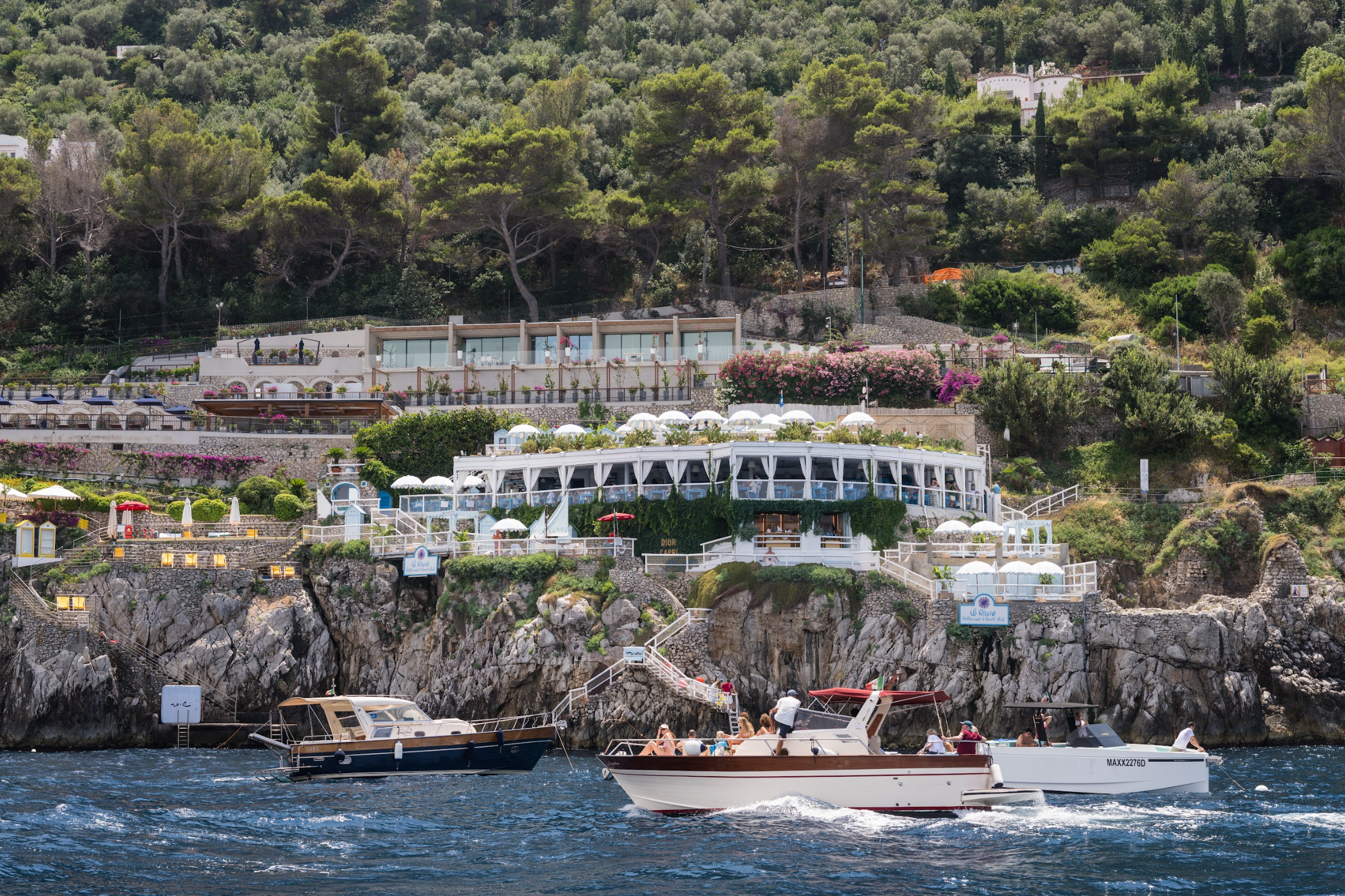
The coast. Destinations such as the Amalfi Coast and Capri are at their busiest in late spring and summer, and June and July are especially crowded. Confirm the operating dates of any specific hotel or restaurant you plan to use, because seasonal properties keep their own calendars.
Lakes. Lake destinations such as Lake Como follow a seasonal pattern too, so confirm the dates for each property before you commit to a month.
If you are still deciding between regions, our guides comparing Lake Como and Tuscany and Tuscany and the Amalfi Coast look at how each region fits a guest experience, which pairs well with the seasonal questions here.
What Does the Season Change About Guest Travel and Lodging?
Season affects what your guests pay and how easily they can get there. Peak months bring higher airfare and hotel rates, and hotels near a popular venue can sell out. Guests traveling from the United States often arrive tired and need a day to settle, so build that into the schedule regardless of month.
Ground transportation deserves its own line in the plan. Roads around popular destinations are busier in peak season, and transfer times that look short on a map can double. Our guest travel guide for U.S. couples covers how to think about arrivals and transfers in more detail.
Entry rules for U.S. travelers to Europe have also been changing, with new border systems being phased in. Before you send guests travel guidance, confirm current requirements with the U.S. Department of State and the Italian authorities, and recommend that guests check their passport validity well before they book flights.

Can You Marry in Italy in the Off-Season?
Yes, but it is a different kind of planning. Winter does not guarantee better availability just because it’s the off-season, however some couples find it appealing for an intimate celebration. The trade-offs are weather, short days, and the shutdowns described above. Communication can be slower, some venues are closed entirely, and winter site visits can be difficult to arrange.
When a city setting changes the answer
Cities and larger hotels tend to operate year-round, which can make a city-based weekend more workable in the off-season than a countryside estate. If winter appeals to you, start with the question of which properties are actually open and staffed, and work outward from there.
How Should the Season Shape the Design and Weather Plan?
The season should drive design decisions, not just decoration. In summer, shade, airflow, and the timing of the ceremony matter most. In early fall, lighting, warmth, and the move indoors after dark matter most. Flowers in season are usually easier to source and often look more natural in the setting, so ask your florist what is at its best in your month rather than designing around a specific bloom that may not be available.
A tent decision belongs in this conversation too. A tent can protect a reception from rain, but in summer it can trap heat, and in fall it can need heating. Neither is a reason to avoid one. Both are reasons to decide early and to budget for the right version.
How Do the Seasons Compare at a Glance?
It helps to think of the year in four windows, then test each one against your guest list and your region.
May and June bring long days, changeable weather, and high demand, so the things to confirm are your booking window and your weather backup. July and August ask for heat management and patience with crowds and the mid-August holiday period, so confirm vendor availability and plan for guest comfort. September and October bring cooler evenings, rising rain risk, and earlier sunsets, so confirm a warmth plan and make a decision about rain. Late December through March brings property closures, slower communication, and short days, so confirm which venues are actually open and staffed.
The thing to confirm is the part couples skip. A date works when that item has been confirmed, in writing, by the venue.
Why Does a Site Visit Matter More Than the Month?
If you can visit in or near your wedding month, do. Seeing the venue at the hour your ceremony would begin, in the season you are considering, answers questions that no guide can. You will see where the shade falls, how cold the terrace feels after dark, and how far guests would walk. Winter site visits are the hardest to arrange because staff may be away and some properties are closed, which is one more reason to ask early whether a visit is possible before you settle on a date.
How Do You Choose Between Seasons?
Start with your guest list rather than the calendar. If many guests are older or traveling with children, favor months with milder temperatures and avoid the peak of August. If your priority is a venue that is fully operating with a responsive team, avoid the winter shutdown and approach August carefully. If you want the longest evenings and are comfortable planning around heat, midsummer can work with the right pacing.
Then choose the region and venue that are fully available in that window, and work out the weather plan before you finalize the date. The date is the first of several connected decisions, and each of them changes the others.
When you are ready to plan an Italy weekend, you can learn more about planning an Italy destination wedding with our team, meet the team behind our Italy weddings, or begin a conversation about your date.
Frequently Asked Questions
What is the cheapest month to get married in Italy?
It depends on the region and the venue, so a clear answer needs real quotes. Couples often find more flexibility outside the busiest summer months, but winter brings its own planning trade-offs, including closed properties and slower communication.
Is August a bad month for an Italy wedding?
It is a month to approach carefully. August is the traditional vacation month, mid-August is a national holiday period, and some businesses and vendors can be harder to reach. It can work with extra lead time and early confirmations.
Is it too hot for guests in July?
It can be, particularly for older guests. Plan for shade, cooling, and a schedule that avoids the hottest hours.
Will early fall in Italy still feel like summer?
Not necessarily. In Tuscany especially, fall can bring cooler evenings and chillier nights, so plan for warmth once the sun goes down.
Can you get married in Italy in winter?
Yes, but many properties in Tuscany and northern Italy close or scale back from around Christmas through March, so confirm that your venue and vendors are open and staffed.
How far ahead should we book a popular date in May, June, September or October?
Popular months fill first, so begin the venue conversation as early as you can. Your planner can tell you what is realistic for your region and guest count.