
How Much Does a Kiawah Island Wedding Planner Cost?
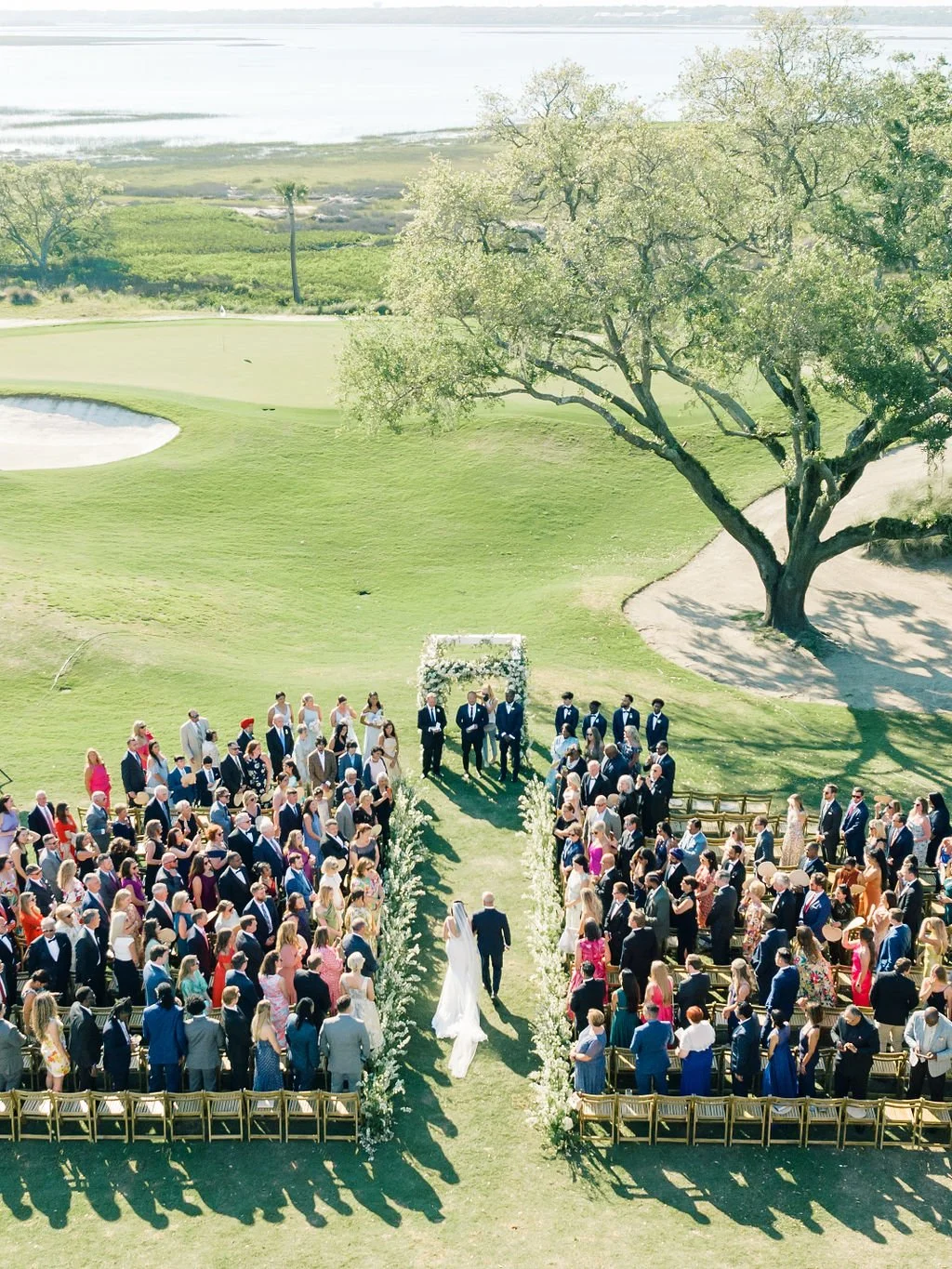
The cost of planning a Kiawah Island wedding becomes easier to understand when you look at everything the weekend asks a planning team to manage. Guests may be staying throughout the island. Vendors move through controlled access points. Transportation must be timed property by property. Outdoor plans need real alternatives for coastal weather. A celebration that feels calm and effortless to guests is supported by months of detailed work behind the scenes.
There is no single flat number that responsibly applies to every Kiawah wedding. A planner’s fee depends on the depth of service, the total event investment, the guest count, the number of events, the venue, the design and production requirements, and the team required onsite.
The most useful question is whether the planner’s scope can fully support the wedding weekend you are creating.
Quick Answer: How Much Does a Kiawah Island Wedding Planner Cost?
A Kiawah Island wedding planner may charge a percentage of the overall event spend, a flat fee based on scope, or a combination of the two. For a full-service, multi-day wedding, the fee should account for strategy, budget oversight, vendor curation, design, guest logistics, transportation, production management, and an experienced onsite team.
At Reagan Events, percentage-based pricing keeps the fee connected to the size and complexity of the celebration. A ceremony and reception at one property require different oversight from a welcome party, rehearsal dinner, wedding day, after-party, and farewell brunch hosted across several locations.
Why Does a Kiawah Island Wedding Require Specialized Planning?
Kiawah feels peaceful because the island is private, protected, and removed from the pace of Charleston. Gates, security procedures, private clubs, resort properties, vacation homes, long internal drives, and venue requirements all shape how a wedding weekend must be planned.
Guests may be staying at The Sanctuary, in resort villas, in private homes, or near Freshfields Village. Each group can have different access and transportation needs. Vendors require confirmed arrival windows, credentials, load-in instructions, and realistic travel time after entering the island.
Transportation is one of the most important planning considerations. Rideshare service is not available, the on-demand resort shuttle cannot be treated as a dependable ride when you need it, and one missed shuttle can affect the entire timeline. The planning team needs accurate lodging information, realistic drive times, appropriate vehicle capacity, and a contingency for every major movement.
This is why full-service Kiawah Island wedding planning reaches far beyond vendor recommendations and a wedding-day timeline. The planner is building one connected operating plan for the couple, their guests, the venues, and every creative and production partner.
For a closer look at island access, vendor movement, coastal weather, and guest communication, read Planning a Kiawah Island Wedding: Why a Specialized Planner Matters.
What Affects the Cost of a Kiawah Island Wedding Planner?
The Level of Planning Service
One of the clearest differences in planner pricing is the difference between coordination and full-service planning.
Coordination generally begins closer to the wedding date. A coordinator gathers the plans already made, confirms vendors, develops the final timeline, and directs the wedding day. This may suit a contained celebration when the couple has already managed the venue, vendor team, design, transportation, and guest logistics.
Full-service planning begins much earlier. The planner establishes the budget, evaluates venues, curates and manages the vendor team, develops the design, oversees logistics, and guides production through the final event. On Kiawah, that work may also include accommodations, gate access, transportation, private-property requirements, tenting, weather strategy, and several days of onsite coverage.
The two services carry different levels of responsibility, and the fees should reflect that distinction.
Guest Count and Accommodation Patterns
Guest count affects catering, rentals, staffing, floorplans, transportation, and the onsite team. On Kiawah, where guests stay matters just as much as how many attend.
Moving 150 guests from one hotel differs significantly from moving the same number from private homes and villas spread across the island. The planning team may need to organize guests by property, calculate capacity, stagger pickups, confirm gate access, and communicate exact departure instructions.
Those details carry real consequences. A transportation plan that is ten minutes off can delay the ceremony and compress photography, cocktail service, dinner, and entertainment. Careful planning protects the pace of the entire evening.
The Number of Events
Many Kiawah weddings are planned as complete weekends rather than single-day celebrations. Each gathering brings its own venue, catering, rentals, entertainment, staffing, transportation, lighting, weather plan, and guest communication.
A poolside welcome party may look relaxed, but it still needs a thoughtful layout, service plan, sound, lighting, vendor access, transportation, and a rain alternative. An after-party requires another transition, late-night food, and a reliable way to return guests to their accommodations. A farewell brunch needs an accurate count and timing that respects airport departures.
Every added event expands the decisions, contracts, schedules, and onsite responsibilities the planning team must carry.
Venue Access and Production Requirements
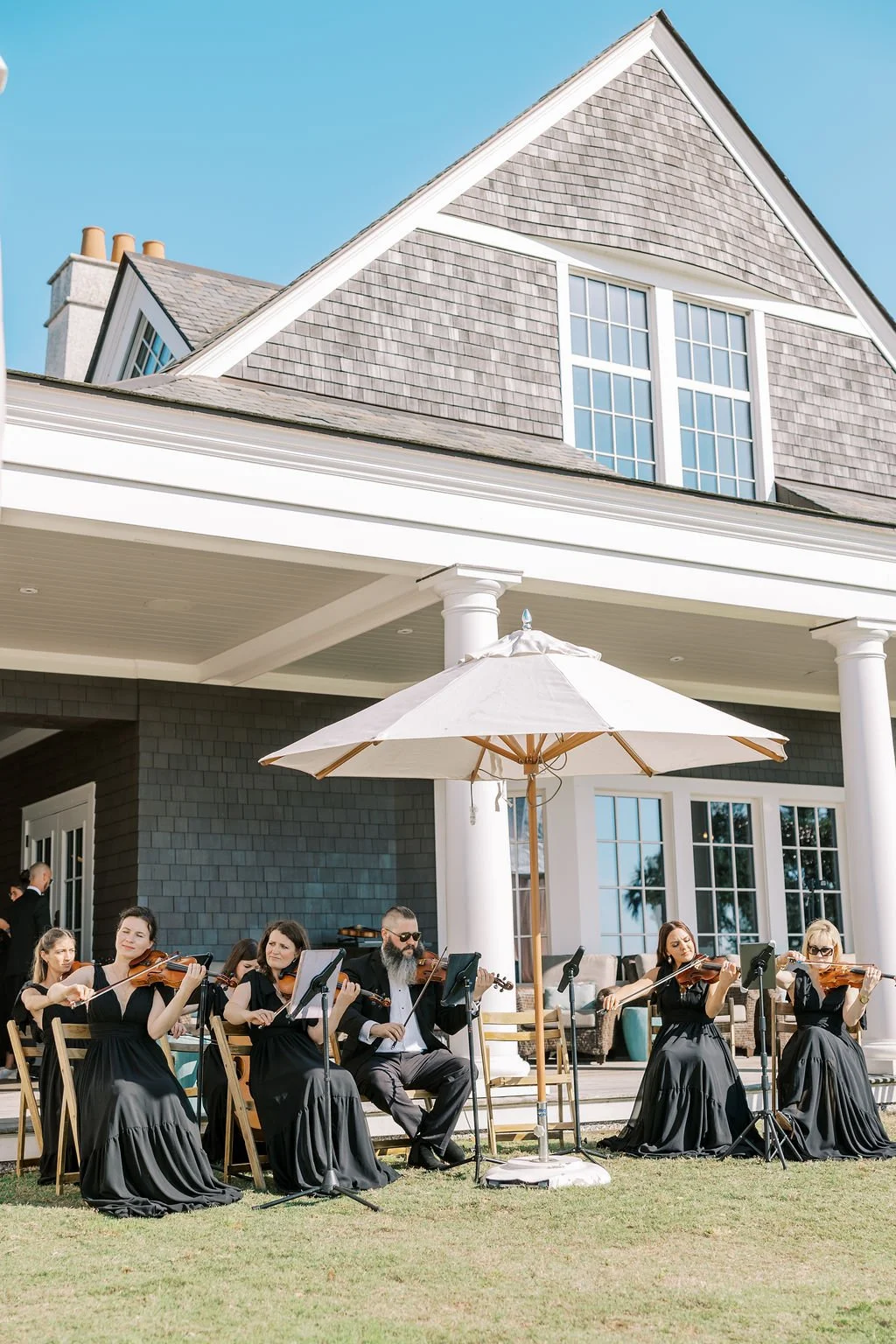
Kiawah offers resort ballrooms, oceanfront lawns, private clubs, private homes, and tented sites. Each setting creates a different production workload.
A resort may provide catering, staffing, restrooms, power, and an indoor weather option. The planning team still coordinates vendor rules, load-in, room transitions, guest movement, design installation, and weather decisions.
The Sanctuary’s wedding venues, for example, include ballrooms, courtyards, and oceanfront lawns with distinct production considerations. Our guide to weddings at The Sanctuary explains how those spaces can work together throughout the wedding day.
A tented reception or private estate can require flooring, power, climate control, lighting, catering kitchens, restrooms, parking, security, ground protection, and waste removal. The finished setting may feel residential and personal. Behind it is the temporary construction of a complete event venue.
Design and Creative Production
Custom design increases both the creative and logistical scope. Florals, lighting, linens, tabletop pieces, paper goods, bars, stages, dance floors, lounge furniture, and installations must read as one environment while allowing service to move efficiently.
Coastal conditions influence those decisions from the beginning. Wind affects floral mechanics, candles, paper goods, draping, and sound. Heat and humidity affect flowers, food service, guest comfort, and timing. A thoughtful design plan considers how the setting will look, how it will function, and how every element will hold up until the final dance.
Design also creates dependencies. Moving a bar can change flooring, lighting, power, staffing, catering paths, and guest flow. Adjusting the ceremony time can affect transportation, photography, kitchen timing, and sunset portraits.
A planner needs to understand those connections before decisions are finalized.
The Vendor Team and Onsite Staffing
Vendor curation helps protect the larger event investment. A compelling proposal matters, but each partner also needs to communicate clearly, understand island access, work within the venue’s requirements, and maintain their standard when conditions change.
The planner must understand how every partner’s work connects. A floral installation can affect the tent schedule. A lighting decision can influence power requirements. A transportation adjustment can alter venue staffing and guest arrival times.
Onsite staffing is equally important. A multi-venue weekend may require separate leads for transportation, ceremony, reception, family, entertainment, and production. Clear ownership keeps the couple and their families from becoming the point of contact.

Why Does Full-Service Planning Cost More Than Coordination?
Full-service planning carries responsibility for the decisions, their sequence, and the way each one affects the entire weekend.
The process is layered and dependency-driven. Core vendors and production partners may be secured around a year out. Design, stationery, accommodations, transportation, menus, rentals, entertainment, and guest experience then develop in overlapping phases.
In the final months, the planning team moves through approvals and detailed coordination. Ceremony flow, floorplans, printed materials, final counts, dietary needs, staffing, vendor confirmations, production schedules, and complete runs of show all need to align.
For a Kiawah wedding, full-service planning and event management may include budget strategy, venue and contract guidance, vendor curation, creative direction, accommodations, transportation, guest communication, floorplans, rentals, production schedules, and weather contingencies.
It also includes the steady communication that keeps the couple, venues, and vendor team working from current information. As one decision changes, the planning team identifies every other person, schedule, and detail affected by it.
How Do Multi-Day Events Change the Planning Investment?
The strongest Kiawah wedding weekends have room to breathe. Guests may play one of the island’s top golf courses, spend the morning at the beach, book a spa appointment, or linger over lunch. That time allows them to enjoy the destination and arrive at the next event ready to be present.
Protecting that rhythm takes careful planning. The team needs to understand arrival and departure patterns, determine which gatherings require transportation, coordinate welcome materials, communicate timing clearly, and move vendors between events without creating strain.
Each gathering should also have its own character. The welcome party may feel open-air and energetic. The wedding day may be more formal and highly produced. The farewell brunch should offer a warm closing moment without feeling like another obligation.
As events are added, the team takes on more venues, contracts, schedules, risks, and onsite needs. The planning investment grows because the assignment has expanded from producing a wedding day to creating one connected guest experience over several days.
What May Be Included in a Full-Service Kiawah Planner’s Fee?
Every firm’s scope is different. A full-service planning proposal may include:
Planning strategy and budget oversight
Venue evaluation and ongoing communication
Vendor curation and contract organization
Creative direction and design development
Accommodation and room-block guidance
Guest data and transportation coordination
Floorplans, rentals, and production schedules
Menu, beverage, and service planning
Weather and contingency planning
Wedding website and itinerary guidance
Final vendor confirmations and complete runs of show
Onsite team management across multiple events
The proposal should also explain travel costs, onsite staffing, included coverage hours, design fees, and how changes in guest count, event count, or production scope may affect the fee.
The Reagan Events Perspective: Planning Cost Reflects Responsibility
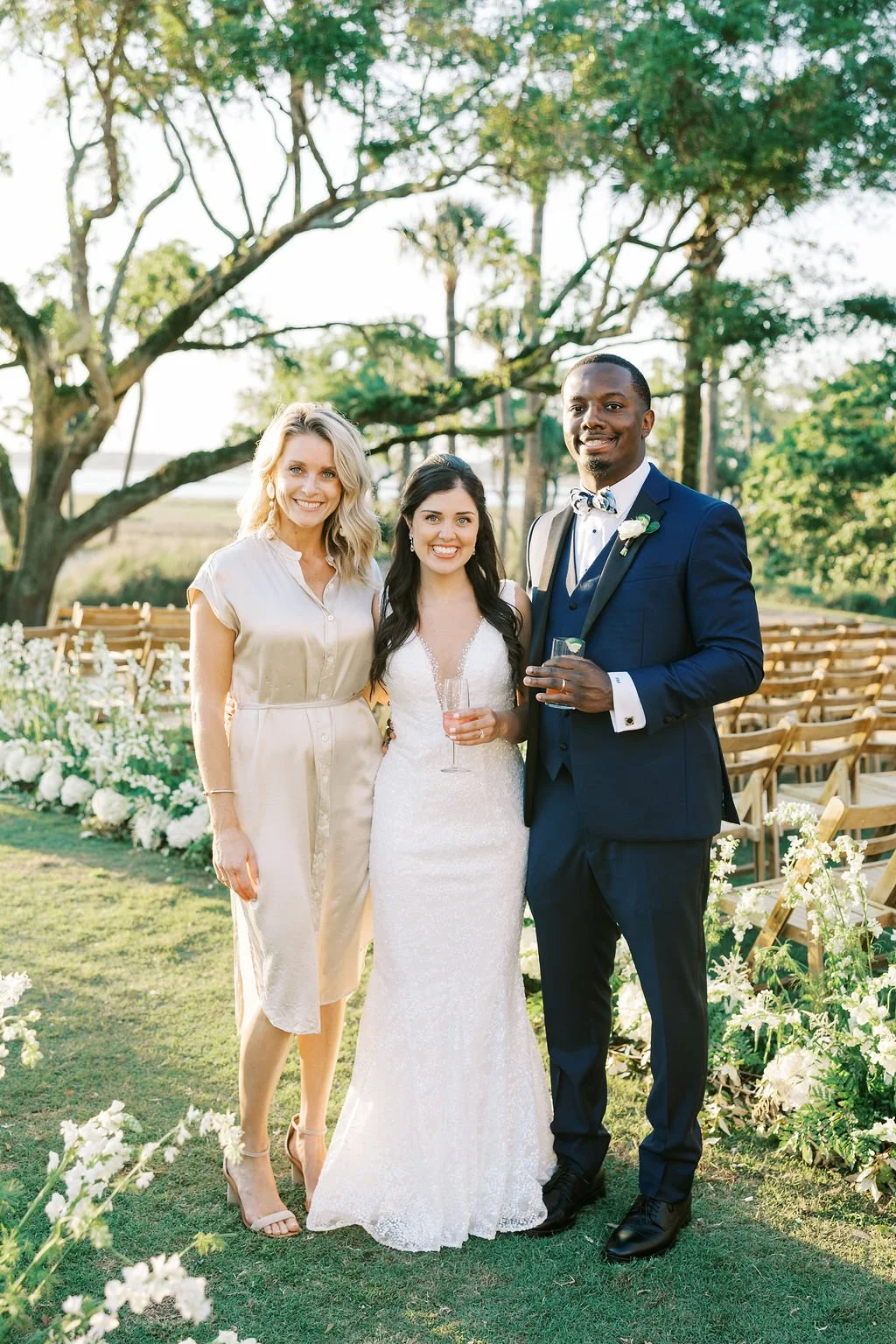
Couples often reach the accommodations and transportation stage feeling overwhelmed. They know their guests will be staying throughout the island, but they may not yet understand the differences among resort, rental, and private-club access. They may also be unsure how everyone will move between events without spending the weekend watching the clock.
Our role is to turn that uncertainty into a clear, workable plan. Percentage-based pricing keeps the planning fee connected to the responsibility we are carrying and allows us to assign the right planning resources and onsite team as the celebration develops.
Guests should remember that their transportation arrived when promised, their itinerary answered their questions, and every transition felt natural. They do not need to see the access lists, floorplans, confirmations, schedules, and contingency decisions supporting that experience.
That quiet structure is one of the most valuable things an experienced planner provides. You can learn more about the Reagan Events planning team and our approach to destination productions.
How Should Couples Compare Kiawah Island Wedding Planner Fees?
Begin with the scope, then evaluate the fee.
Ask each planner:
When does full planning support begin?
Which events are included?
Does the planner manage design as well as logistics?
Who oversees vendor communication and contracts?
Does the team handle accommodations, guest data, and transportation?
How many onsite team members are included?
How are additional events or expanded production handled?
Has the planner worked within Kiawah’s resort, club, and private-property systems?
Which services and expenses are excluded?
A lower fee may reflect a narrower scope, fewer onsite resources, or more responsibility remaining with the couple. A higher fee should be supported by clear service, experienced leadership, and an appropriate team.
The comparison should account for what the couple will still need to manage and whether any gap could affect the larger event investment.
Frequently Asked Questions
How much does a Kiawah Island wedding planner cost?
The cost depends on the planner’s pricing structure, service level, guest count, number of events, venue, design complexity, transportation needs, and production scope. Full-service destination planners may charge a percentage of the overall event spend, a flat fee based on scope, or a combination of the two.
Why do Kiawah weddings require more planning support?
Kiawah weddings often involve gated access, several accommodation types, limited transportation alternatives, venue-specific vendor rules, outdoor weather plans, and multiple hosted events. These elements need to be addressed early and managed as one connected weekend.
Is full-service planning worthwhile for a Kiawah wedding?
For a multi-day celebration or a wedding with significant guest, design, and production logistics, full-service planning gives one experienced team responsibility for the decisions, communication, vendors, and execution. That continuity protects both the guest experience and the financial investment.
Does the planner’s fee include the wedding budget?
Planner fees are usually separate from venue, catering, florals, rentals, entertainment, photography, transportation, tenting, lighting, and other vendor costs. Couples should ask how the planning fee is calculated and how it may change if the scope expands.
Should we hire a planner before booking a Kiawah venue?
When possible, yes. A planner can evaluate how the venue supports the guest count, weekend itinerary, transportation plan, weather requirements, vendor access, rental needs, and overall budget before a contract is signed.
Can Reagan Events plan an entire Kiawah wedding weekend?
Yes. Reagan Events provides full-service planning, design, and production for Kiawah Island wedding weekends, including vendor curation, accommodations, transportation, itinerary development, production management, and onsite execution.
Planning a Kiawah Island Wedding with Reagan Events
Kiawah offers privacy, natural beauty, and the space to host people well. Preserving that feeling across an entire wedding weekend requires a team that understands how the island operates and how every decision connects.
If you are considering a multi-day Kiawah celebration, the next step is a thoughtful conversation about the people you are hosting, the atmosphere you want to create, and the level of production required to bring it together. Inquire with Reagan Events to begin that conversation.