
Should You Buy Out a Wedding Venue? A Guide to Privacy, Flexibility, and Guest Experience
You find the property. It has the right architecture, the right setting, enough room for the people you love, and the potential to carry an entire wedding weekend beautifully.
Then the proposal arrives.
Instead of simply renting the spaces you plan to use, the property requires a full buyout, a substantial room commitment, or a minimum spend that changes the financial picture considerably.
At that point, the question becomes less about whether you love the venue and more about what exclusive use will actually give you.
Will it keep your guests together? Protect your privacy? Give the production team the access needed to transform the property? Make transportation easier? Allow the weekend to unfold with fewer logistical interruptions?
A wedding venue buyout can be incredibly valuable, particularly for a multi-day destination wedding. But exclusivity should have a purpose. Before committing to it, I want to understand exactly what we are buying and how much it will improve the experience.
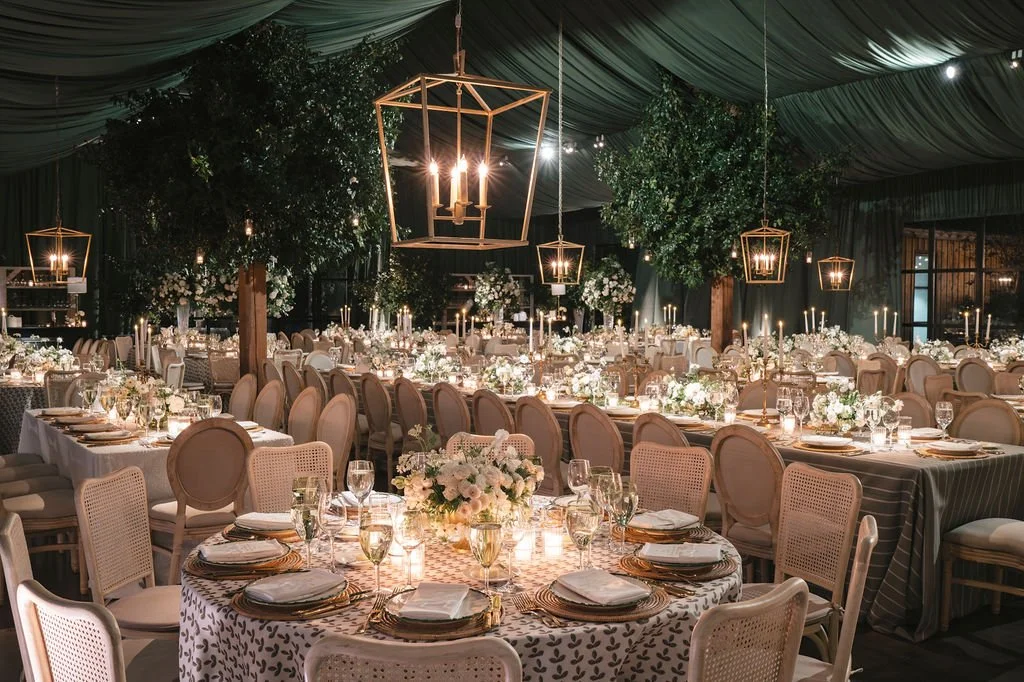
Quick Answer: Is a Wedding Venue Buyout Worth It?
A wedding venue buyout can absolutely be worth the investment when it provides meaningful privacy, greater control over the schedule, better production access, and a more cohesive guest experience. The important part is understanding exactly which spaces, accommodations, services, and time periods are included.
The value of a buyout comes down to how fully you plan to use the property and whether exclusivity solves a real planning need.
What Is a Wedding Venue Buyout?
“Buyout” sounds straightforward, but the term can mean very different things from one property to another.
A hotel or resort buyout may include every guest room and event space. A private estate may be rented in its entirety for several days. A restaurant buyout may give your wedding party private use for a single evening. Other properties offer partial buyouts, exclusive access to designated event areas, or a guest-room commitment combined with private use of specific spaces.
The word itself is not enough.
Before signing, we want to know exactly when exclusivity begins, when it ends, which spaces are included, whether restaurants and common areas remain open, what is happening with guest accommodations, and what restrictions still apply.
This is one reason I strongly believe in evaluating the full venue proposal before committing. Our Event Planning & Management work looks at the venue alongside accommodations, transportation, budget, production, vendor access, timing, and the complete wedding-weekend itinerary.
A property can be beautiful on paper and still create unnecessary complications once the entire plan is considered.
What Does Exclusive Use Actually Include?
This is where couples need to slow down and read beyond the headline number.
One of the most common misunderstandings I see is the assumption that a hotel buyout means the couple is personally paying for every guest room.
That is not always how it works.
In some agreements, the couple is financially guaranteeing the rooms upfront in order to secure exclusive use of the property. As guests reserve and pay for their rooms, those charges can then be credited back to the master account. The structure varies by property, which is why the details matter so much.
Before agreeing to a wedding venue buyout, I would want answers to questions such as:
Does the agreement cover the entire property or only certain event spaces?
Can other hotel guests or members of the public access the property?
Are all guest rooms part of the commitment?
Are restaurants, bars, pools, clubs, beaches, spas, or other common areas private?
When can the production and vendor teams begin installation?
When must rentals, florals, lighting, and other installations be removed?
Which staffing, housekeeping, security, or transportation services are included?
Can multiple wedding-weekend events be hosted onsite?
What décor, entertainment, music, or outside-vendor restrictions remain?
What happens financially if the room or food-and-beverage minimums are not met?
This is also why booking a wedding planner before the venue can be so useful. By the time a venue agreement reaches your inbox, we are already thinking several decisions ahead.
How Can a Venue Buyout Improve Privacy?
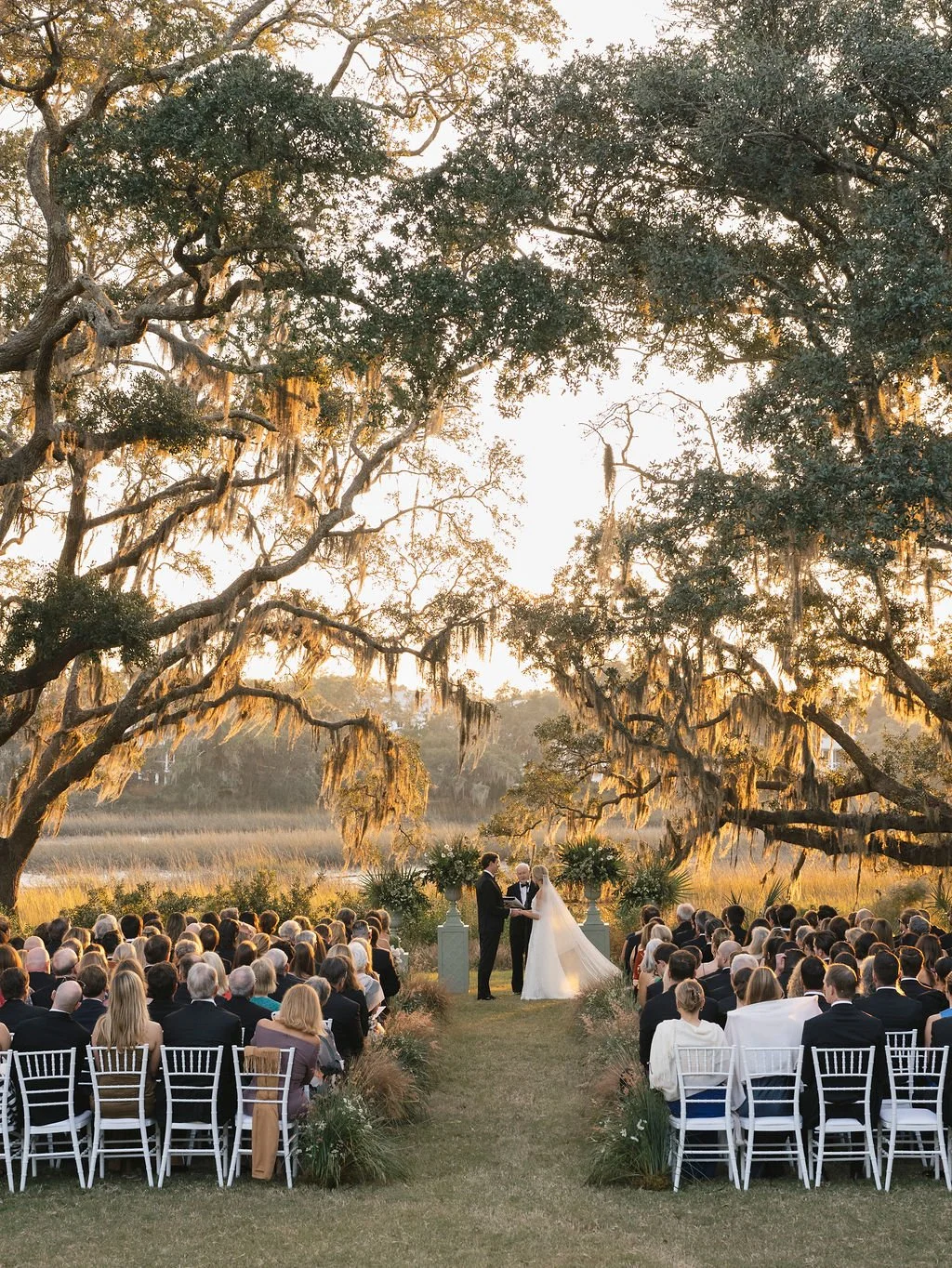
Privacy is one of the clearest reasons to consider exclusive use.
At a standard hotel or resort wedding, there may still be vacationing families at the pool, restaurant guests moving through a lobby, another celebration taking place nearby, or members of the public walking through areas you assumed would feel private.
For many weddings, this causes no issue at all. For others, it fundamentally changes the atmosphere.
A buyout can allow us to control arrivals, photography, transportation, signage, vendor access, security, and guest movement much more carefully. It can also be particularly important for families who place a high value on discretion.
There is something very different about guests arriving at a property and understanding immediately that this entire environment has been prepared for the people gathered there.
That said, “exclusive event space” does not necessarily mean the entire property is private. The agreement needs to define where that privacy actually begins and ends.
Can a Buyout Create a Better Multi-Day Guest Experience?
This is where I think a buyout can become especially compelling.
For a destination wedding, the property often becomes much more than the location of the ceremony and reception. It can become home base for the weekend.
Guests wake up in the same place. They see one another over coffee. They linger at the pool. They gather naturally before a welcome dinner. Transportation becomes simpler. There is room for downtime without everyone feeling scattered across a destination.
A welcome party, wedding day, after-party, and farewell gathering can all feel connected while still having completely different personalities.
For some celebrations, a restaurant or resort buyout for the opening night alone is enough to establish that feeling. We talk more about those possibilities in our guide to welcome party ideas for a destination wedding weekend.
But a contained weekend is not automatically the right answer for every guest list. Some guests may prefer choosing their own hotel, exploring the city independently, or having a little distance between hosted events.
Good hospitality means understanding your people. Sometimes bringing everyone together serves them beautifully. Sometimes giving them more freedom does.
How Can a Buyout Affect the Wedding Schedule?
Time is one of the less obvious benefits of exclusive use.
A standard venue rental may provide a very specific installation window. Vendors arrive at a certain hour, the transformation happens quickly, the event takes place, and strike begins immediately afterward.
That can work perfectly for a straightforward production.
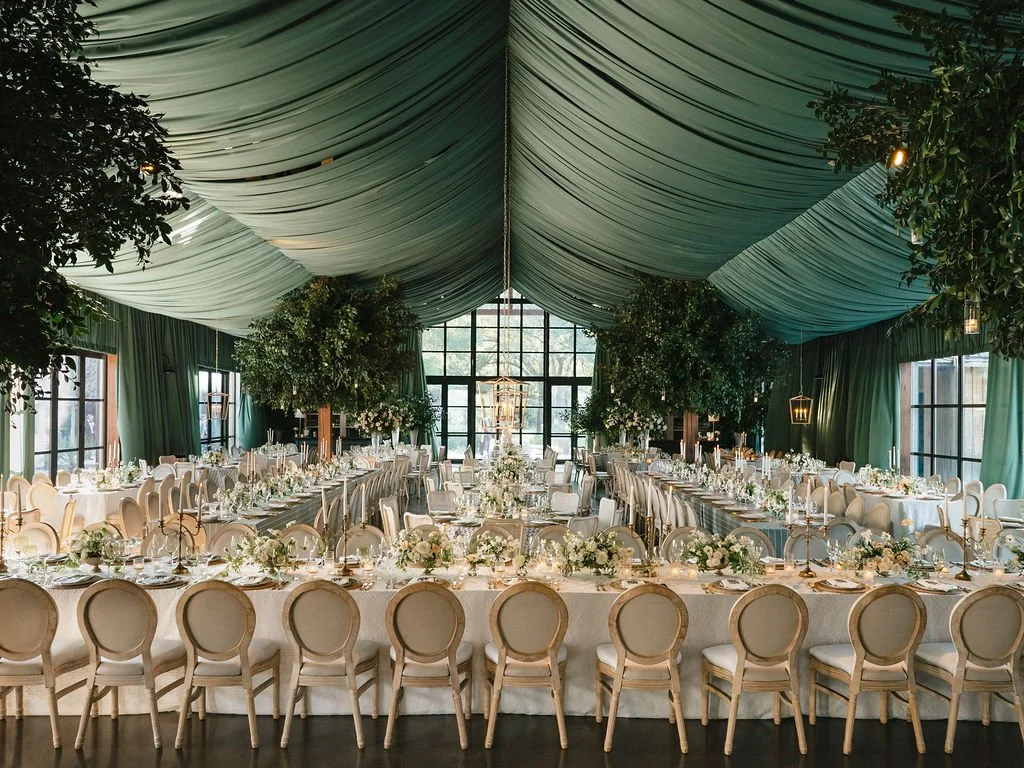
It becomes much more difficult when the design involves tenting, custom structures, complicated lighting, substantial draping, scenic elements, large floral installations, or several spaces being transformed across multiple days.
A full property buyout can provide far more lenient installation schedules because the venue does not need to return spaces to standard hotel operations between every event. Depending on the agreement, our teams may be able to work earlier, stage equipment in advance, build over several days, and transition spaces with much greater care.
It may also give us more flexibility with rehearsals, weather decisions, after-parties, farewell events, and production strike.
There is one important distinction here: buying out a property does not eliminate laws, municipal noise ordinances, labor regulations, or other outside requirements. What it may do is remove some of the internal operating restrictions a property uses when other hotel guests or simultaneous events must also be considered.
What Design and Production Possibilities Can Exclusive Use Create?
A buyout becomes particularly interesting when the property itself is part of the creative vision.
Rather than treating the ballroom, lawn, restaurant, and lobby as unrelated rental spaces, we can begin thinking about the property as one connected environment.
Arrival signage can feel considered. Lighting can shift as guests move from one event to another. Welcome materials can appear naturally throughout the property. Florals, tenting, lounges, bars, furnishings, and custom installations can build upon one another across the weekend rather than competing with standard hotel operations.
Our approach to Event Design & Luxury Production is deeply connected to logistics for this reason. The creative idea is only as successful as our ability to install it properly, service it well, and move guests comfortably through it.
A buyout can allow for a level of personalization that would be difficult when a property is still operating normally around you.
That does not mean filling every corner with décor. Often the greatest advantage is having enough control to edit the space well.
What Financial Commitments Should Couples Understand?
The visible buyout fee is often only one part of the equation.
Depending on the venue, the total financial commitment may include room nights, food and beverage minimums, staffing, security, resort fees, service charges, taxes, cleaning, transportation, production days, power, technical requirements, vendor meals, and cancellation or attrition terms.
This is where I want couples to look at the complete weekend rather than one number in isolation.
A higher venue commitment might replace expenses you would otherwise incur elsewhere. Keeping guests onsite could reduce transportation. Hosting several events at one property may eliminate additional venue rentals. Greater production access could reduce overtime or complicated overnight installation schedules.
In other cases, the buyout may simply add a significant obligation without meaningfully improving the celebration.
Our guide to destination wedding budgeting goes deeper into this idea. A destination wedding budget should account for the entire hosted experience, including food, service, accommodations, transportation, production, entertainment, design, and planning.
The question is always what the investment is accomplishing.
When Is a Wedding Venue Buyout Most Valuable?
I tend to see the greatest value when several factors align.
The couple is hosting multiple events at the property. Most guests are staying onsite. Privacy is a significant priority. The venue itself is central to the experience. The production scope requires substantial access. Several areas of the property will be used across the weekend. Transportation becomes easier because everyone is together.
That combination can make a buyout feel incredibly natural.
It can also change how guests experience the destination. Instead of moving between disconnected locations, there is a sense that they have stepped into a temporary world created specifically for this celebration.
That feeling can be wonderful when it matches the hosting style of the couple.
When Might a Venue Buyout Be Unnecessary?
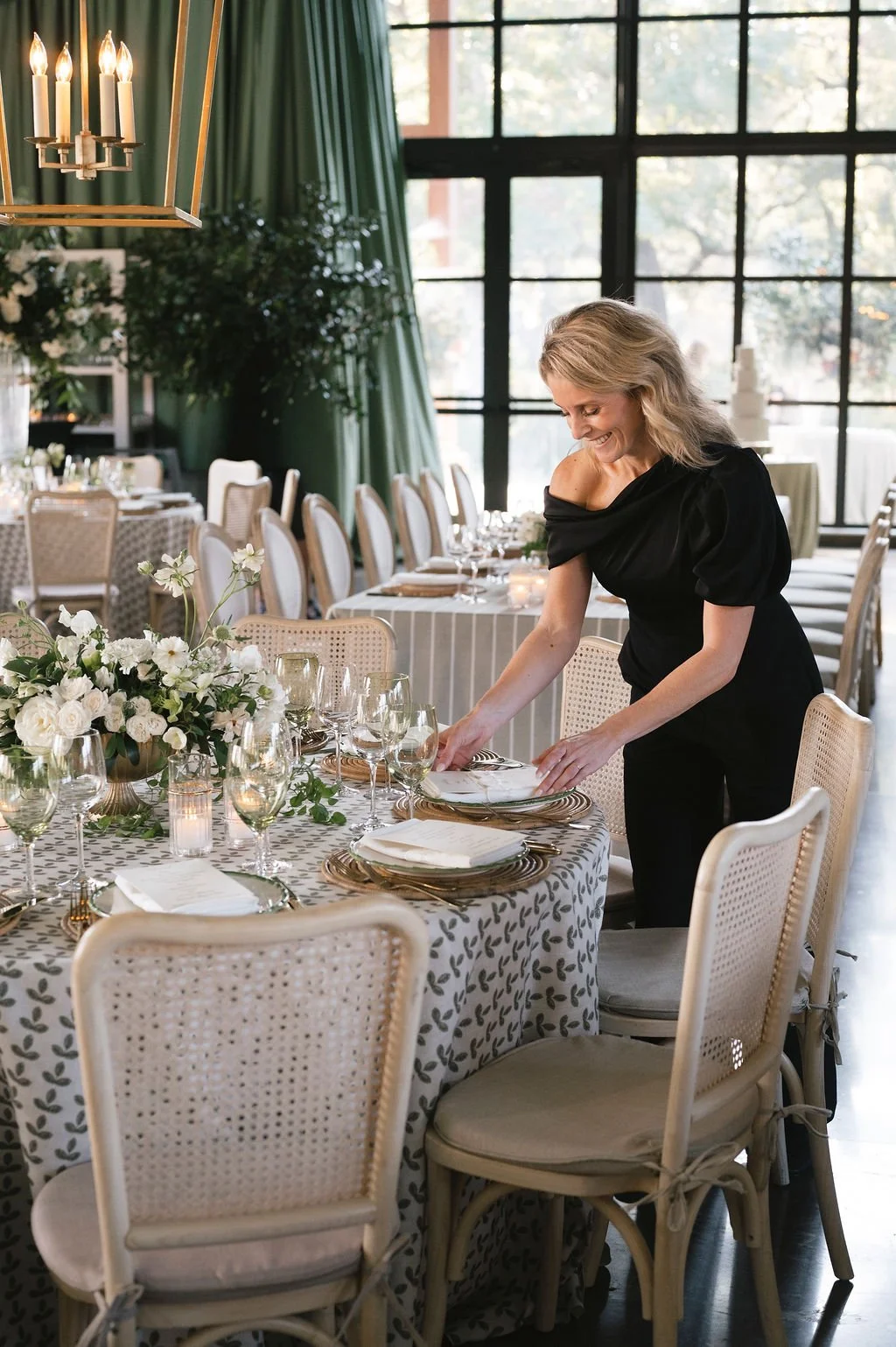
There are absolutely situations where I would advise against one.
If a hotel has significantly more rooms than your guest list could reasonably fill, guaranteeing the entire property may make very little sense.
The same is true when a venue already offers exceptionally private areas where we can concentrate your guests and events. If we can create the feeling of exclusivity without taking on the full financial commitment, I would rather preserve those resources for something that meaningfully improves the experience.
A full buyout may also be unnecessary when only one event is taking place onsite, most guests plan to stay elsewhere, the standard rental provides adequate production access, or you simply will not use enough of the property to justify controlling all of it.
The most expensive option is not inherently the strongest planning decision.
What Should Couples Ask Before Signing a Venue Buyout Agreement?
Before signing, I would make sure the planning team understands:
Exactly which spaces are exclusive
Whether accommodations are included or separately contracted
Whether non-wedding guests can access the property
Required room nights
Food and beverage minimums
Installation and removal windows
Outside-vendor policies
Music, décor, lighting, and production restrictions
Staffing and security requirements
Transportation responsibilities
Financial obligations if minimums are not met
Weather backup spaces
Which weekend events can take place onsite
Which areas can be personalized
Fees not reflected in the initial proposal
Restoration or cleaning responsibilities after the event
A planner can evaluate the practical and financial implications of these terms as they relate to the event. If a contract raises questions requiring legal interpretation, those should be reviewed by qualified counsel.
Once the venue is secured, these decisions become part of a much larger planning framework. Our article on what happens after you hire a wedding planner explains how venue, vendor, design, budget, and logistical decisions begin to build upon one another.
The Reagan Events Perspective: Exclusivity Should Have a Purpose
For me, a buyout should provide something the celebration genuinely needs.
When we evaluate one, we are looking at the complete event itinerary, guest count, accommodations, transportation, venue access, privacy, production scope, budget, weather contingencies, and how much of the property will actually be used.
Sometimes the answer becomes obvious.
A private estate full of your closest friends and family for several days can be remarkable. A resort transformed entirely around a wedding weekend can give us creative and logistical freedom that would otherwise be impossible. A property where every guest feels accounted for from arrival through departure can create the kind of ease that defines excellent hospitality.
Other times, we can accomplish that same feeling within a smaller footprint.
That is the value of looking at the decision as part of a complete planning process, rather than treating the word “exclusive” as a reason on its own.
The goal is to create a wedding weekend that feels considered, private where it needs to be, generous to guests, and completely aligned with the way you want to host.
Frequently Asked Questions About Wedding Venue Buyouts
What does it mean to buy out a wedding venue?
A wedding venue buyout generally means securing exclusive use of all or part of a property for an agreed period. The exact spaces, accommodations, services, and amenities included vary by venue and contract.
Is a venue buyout the same as an exclusive-use venue?
Not necessarily. Some properties operate exclusively for one event at a time by default, while others offer buyouts as an upgrade to their normal operation. Confirm exactly what “exclusive use” means in the agreement.
Does a hotel buyout include every guest room?
It depends on the property. A hotel buyout may require the couple to financially guarantee all rooms, but guests may still reserve and pay for their own accommodations, with those bookings credited toward the master commitment.
Can couples arrange a partial venue buyout?
Yes. Some properties offer partial buyouts, private wings, designated guest-room blocks, or exclusive access to certain event spaces. For many weddings, this can create sufficient privacy without requiring a full-property commitment.
Does buying out a venue allow the wedding to continue later?
Possibly, but not automatically. A buyout may provide flexibility around a venue's internal operating policies, but local noise ordinances, curfews, labor rules, and other regulations may still apply.
Should a wedding planner review a venue buyout proposal?
Yes, particularly when the agreement includes significant room, food and beverage, staffing, production, or minimum-spend commitments. A planner can evaluate how those obligations fit within the complete wedding-weekend plan and budget.
A venue buyout can provide extraordinary privacy, flexibility, and connection across a wedding weekend when the commitment supports the experience you actually want to create. At Reagan Events, we evaluate the venue, accommodations, production requirements, guest logistics, budget, and full itinerary as one connected plan.
If exclusive use is part of the celebration you are considering, inquire with Reagan Events to begin exploring what the right setting could look like.