
How to Plan a Destination Wedding in Italy From the U.S.
A destination wedding in Italy often begins with one image.
Guests arriving by boat as the afternoon light moves across Lake Como. A long dinner under olive trees in Tuscany. Music carrying across a terrace above the Mediterranean while the last glasses of wine are poured.
That image matters. It gives the celebration its emotional direction. Planning the weekend from the United States, however, requires a much wider view.
The region, venue, ceremony, accommodations, transportation, vendor team, guest communication, design, and production schedule all affect one another. Each decision needs to be made in the right order, with enough time for the work that follows.
When that framework is handled thoughtfully, guests experience the pleasures of Italy without carrying the weight of its logistics.
Quick Answer: How Do You Plan a Destination Wedding in Italy From the U.S.?
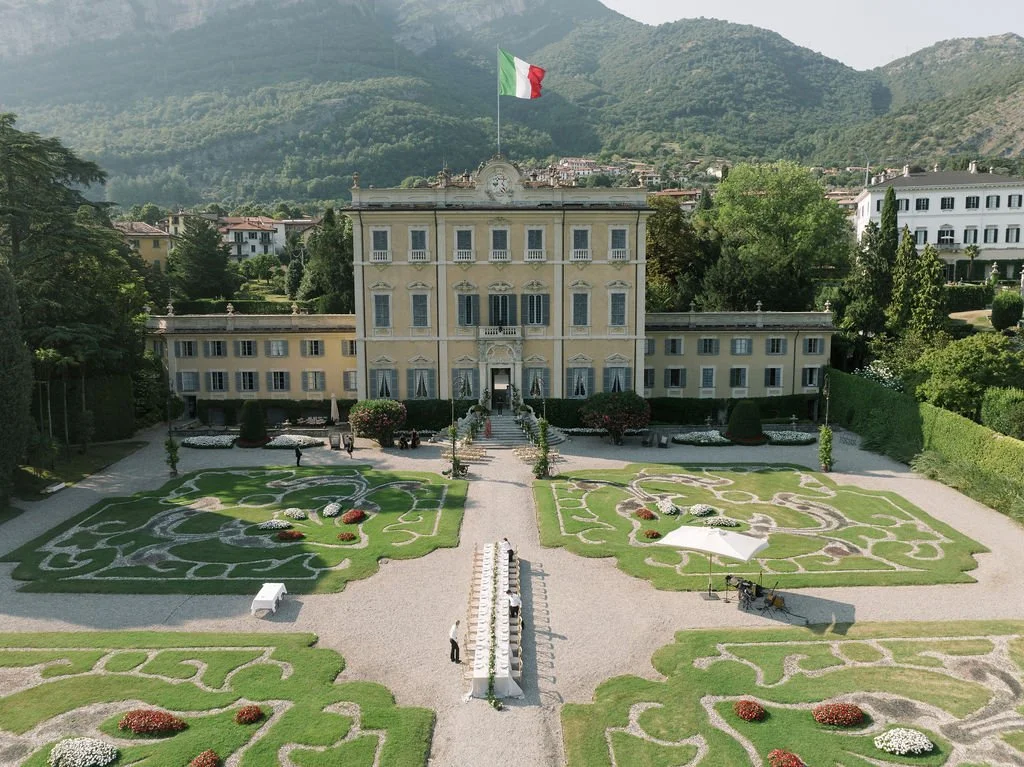
Begin by defining the experience you want to create for your guests, then select the Italian region and venue that can support it. Establish the guest count, overall investment, wedding-weekend scope, ceremony type, accommodations, transportation needs, and foundational vendor team early.
From there, planning moves through overlapping phases of design, guest communication, logistics, production, and final approvals. A full-service Italy destination wedding planner can manage the cultural, creative, and logistical details while keeping the entire weekend connected.
Why Couples Choose Italy for a Destination Wedding
Italy offers far more than a beautiful ceremony setting.
Every region has its own pace, architecture, food, landscape, and way of gathering. Lake Como feels polished and cinematic. Tuscany invites long dinners and a slower countryside rhythm. Capri and the Amalfi Coast bring the energy of the water into nearly every part of the weekend. Rome and Florence give guests access to art, restaurants, history, and city life. Sicily feels layered, warm, and distinctly regional.
This range gives couples the opportunity to create an experience that extends well beyond the wedding day.
A welcome dinner introduces guests to the destination. The next day may include time by the pool, a boat outing, a wine tasting, or a quiet afternoon left completely open. The ceremony and reception become the central gathering, followed by a farewell brunch that allows everyone to linger before leaving.
At Reagan Events, our approach to Italy destination weddings considers the entire stay, from the first arrival through the final departure. The setting is important, but the way guests move through it determines how the weekend actually feels. Reagan Events currently plans multi-day celebrations across destinations including Sorrento, Capri, Tuscany, Sicily, and Lake Como.
What Should You Decide First When Planning an Italy Wedding?
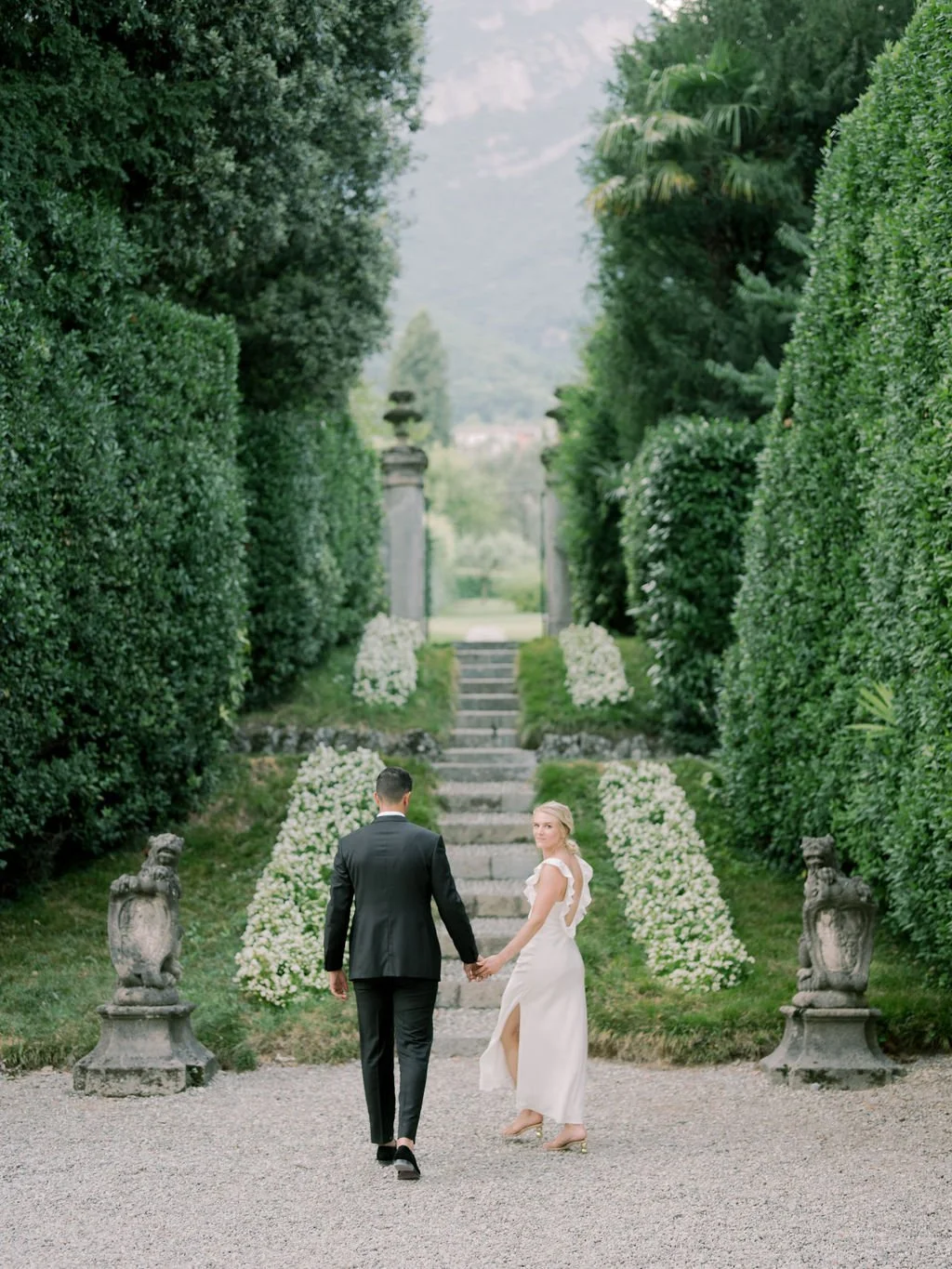
The strongest starting point is the guest experience.
Consider what you want people to feel when they arrive. Do you want everyone gathered within one private property? Would you prefer a city setting where guests can explore independently? Are you imagining formal evenings, relaxed afternoons, boat transfers, vineyard dinners, or several days centered around a private villa?
That direction helps answer the practical questions that follow.
Establish the Guest Count
An intimate celebration and a 200-person wedding require very different venues, accommodations, transportation plans, and production teams.
Even an estimated guest count is helpful in the beginning. It allows the planner to identify properties that can comfortably support the celebration, rather than forcing the wedding into a venue that is too small, too spread out, or difficult for guests to navigate.
Define the Wedding-Weekend Scope
Determine which events you expect to host.
Many Italy destination weddings include a welcome event, wedding day, and farewell gathering. Some add a rehearsal dinner, boat outing, beach afternoon, vineyard visit, or another cultural experience.
More events require additional transportation, staffing, design, vendor time, food and beverage, and guest communication. The scope should be discussed early so the budget and production plan reflect the entire weekend.
Discuss Investment Comfort
International weddings include expenses that may be less familiar to couples planning from the United States. Transportation, lodging commitments, local taxes, shipping, power, lighting, technical production, extended vendor coverage, weather contingencies, and venue access can all affect the total investment.
Discussing financial comfort early allows the planning team to recommend the appropriate region, venue, guest count, and weekend structure.
Decide Between a Legal, Religious, or Symbolic Ceremony
The ceremony type can affect paperwork, timing, location, and officiant requirements. Couples who want a legally recognized marriage in Italy should begin that conversation early. Couples who prefer greater flexibility may legally marry in the United States and hold a symbolic ceremony in Italy.
This decision should be made before the ceremony venue and schedule are fully developed.
Which Region of Italy Is Best for Your Destination Wedding?
The right region supports both the atmosphere you want and the practical needs of your guests.
Lake Como
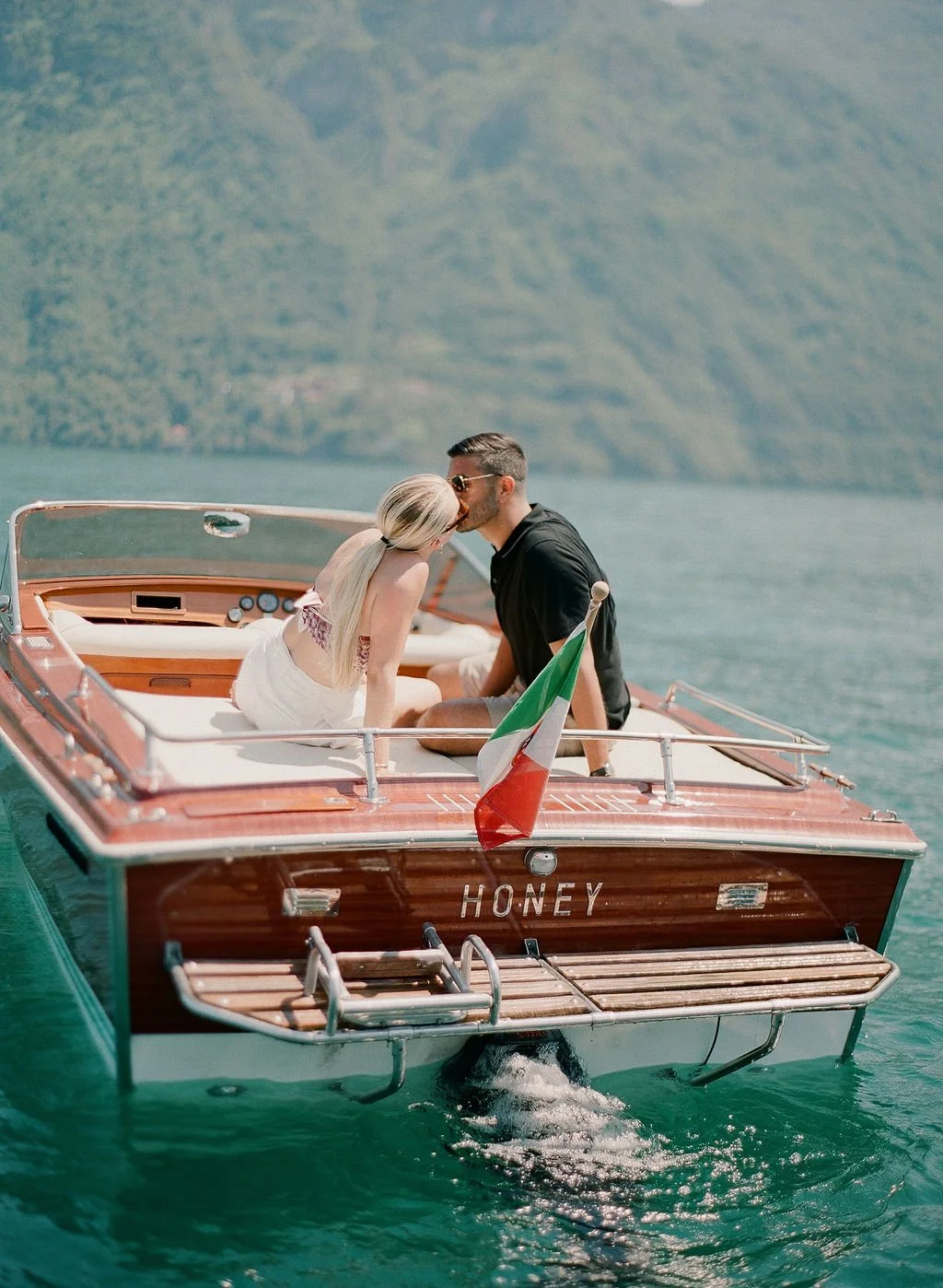
Lake Como is suited to couples drawn to historic villas, formal gardens, waterfront hotels, classic boats, and a refined guest experience.
The lake creates beautiful movement throughout the weekend, but it also introduces another layer of coordination. Boat schedules, hotel locations, luggage, ground transportation, weather, and guest mobility need to be considered together.
Lake Como works especially well when the weekend has a clear structure and guests understand how they will travel between each location.
Tuscany
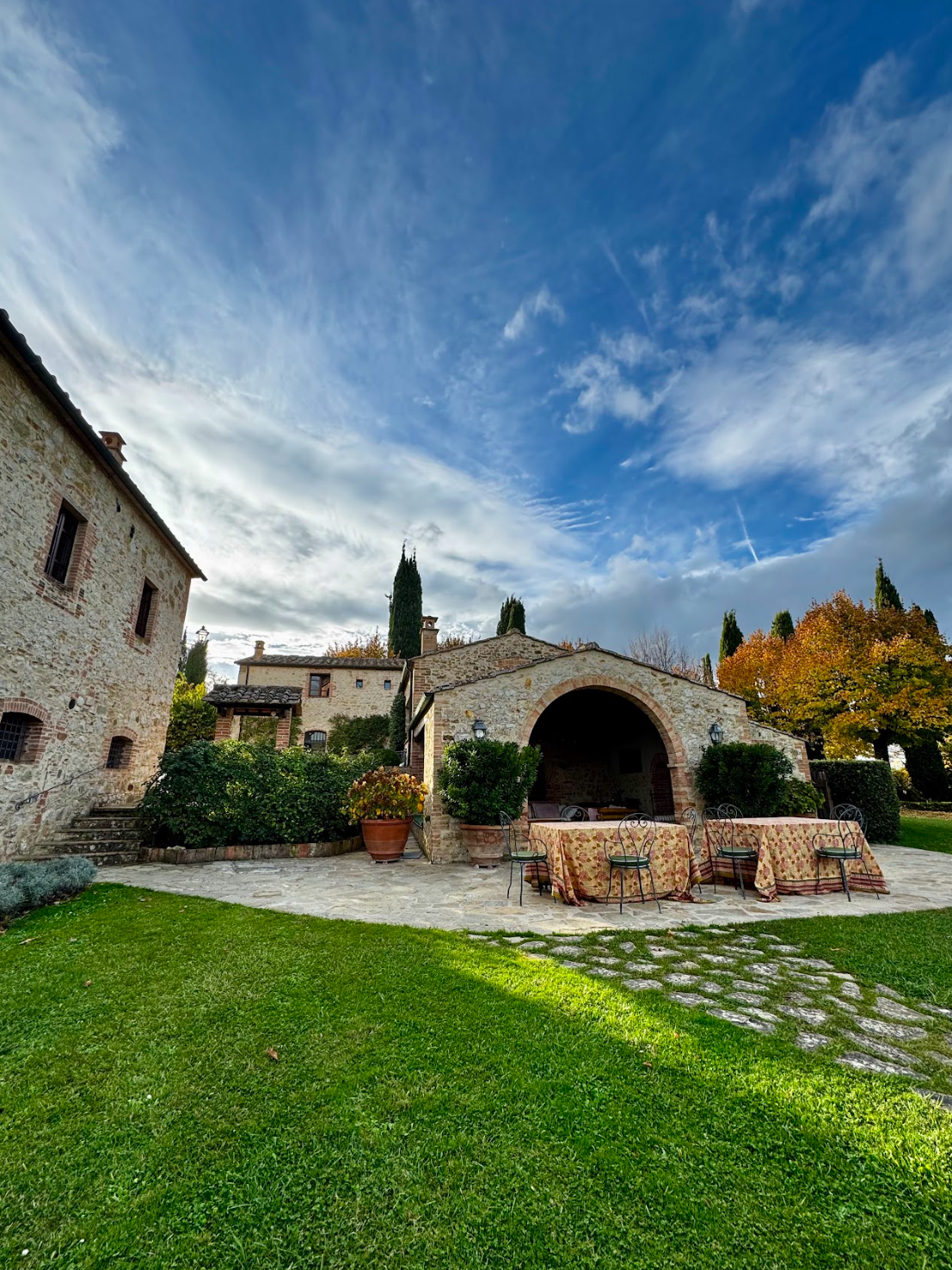
Tuscany offers vineyards, olive groves, warm stone, countryside estates, historic villas, and meals centered around the region’s food and wine.
The pace can feel spacious and relaxed, particularly when guests stay on or near the wedding property. Because the countryside is spread out, transportation and accommodation planning are essential. A property may appear close to a town on a map while still requiring a longer drive along narrow roads.
Tuscany is a strong fit for couples who want guests to settle into the destination and experience the region slowly.
Amalfi Coast, Sorrento, and Capri
The Italian coast brings brilliant water, steep cliffs, terraces, boats, and an immediate sense of celebration.
Travel requires care. Guests may arrive through Naples or Rome before continuing by car, train, ferry, or private boat. Seasonal traffic, ferry schedules, luggage movement, road access, weather, and hotel placement all affect the itinerary.
When handled well, the movement becomes part of the experience. Guests arrive by water, gather for dinner above the sea, and experience the destination from several perspectives throughout the weekend.
Rome and Florence
Rome and Florence offer historic palazzos, churches, museums, private gardens, architecture, and easy access to restaurants and cultural sites.
A city wedding can give guests more independence during open portions of the weekend. They can walk, dine, shop, visit galleries, or return to their hotel without needing a formal activity planned for every hour.
Production in a historic city may involve permits, restricted access, loading schedules, traffic, and venue limitations. These details should be reviewed before signing a contract.
Sicily
Sicily offers coastal estates, Baroque towns, citrus groves, historic properties, and a food culture that feels deeply connected to the island.
Travel routes and venue infrastructure vary by location. Regional knowledge matters when coordinating airports, accommodations, transportation, vendor access, and the pacing of several events.
Sicily suits couples who want an experience with a strong sense of place and are willing to guide guests through a slightly more involved journey.
How Far in Advance Should You Start Planning a Destination Wedding in Italy?
For many sophisticated destination weddings in Italy, beginning 12 to 18 months in advance gives the planning team enough room to secure the right venue, establish the guest experience, and build the vendor and production team with care.
At Reagan Events, we address the decisions that influence the rest of the process as early as possible. The venue, foundational creative partners, entertainment, transportation, production providers, ceremony support, stationery direction, and guest accommodations begin taking shape well before the final months.
This early structure gives the team something real to plan from.
The work that follows does not move through perfectly isolated stages. Design, rentals, food and beverage, transportation, stationery, accommodations, guest communication, entertainment, welcome details, and ceremony planning often develop simultaneously.
Some tasks may already be complete while related decisions remain open. That is normal.
A transportation plan may depend on final hotel information. Rental quantities may depend on the guest count and floorplan. Printed materials cannot be approved until the ceremony, menu, or itinerary language is confirmed. Welcome gifts cannot be delivered until room assignments are received. Final catering numbers depend on responses and dietary needs.
A well-managed timeline accounts for those dependencies. It keeps early decisions moving while protecting space for information that will become available later.
Shorter planning periods are sometimes possible, depending on the location, season, availability, guest count, production scope, and speed of decision-making.
Do U.S. Couples Need to Handle Legal Requirements for an Italy Wedding?
Couples should decide early whether they want a legal civil ceremony, religious ceremony, or symbolic ceremony.
A symbolic ceremony often gives destination couples greater flexibility. The legal marriage can take place in the United States, while the ceremony in Italy remains personal, meaningful, and fully integrated into the wedding day.
A legal marriage in Italy requires additional documentation and coordination. Official guidance states that U.S. citizens planning a civil marriage in Italy should contact the Comune where the wedding will take place, as local procedures and required documentation may vary. Religious ceremonies have their own requirements and should be discussed directly with the officiant and appropriate religious authority.
Requirements may depend on citizenship, residency, previous marriages, ceremony type, and location. Couples should verify current instructions with the local Comune, the appropriate Italian consulate, official U.S. resources, and their planning team. This information is general planning guidance and should not be treated as legal advice.

What Guest Logistics Should You Plan for an Italy Wedding?
Guest care begins months before anyone arrives.
Flights and Arrival Routes
Identify the most practical airports and provide a clear recommended route to the destination.
A guest may need to fly into Milan, Rome, Naples, Florence, or another airport before continuing by train, private car, ferry, or boat. Explain which reservations should be made in advance and whether guests should arrive within a certain window.
Do not leave guests to discover upon arrival that taxis are limited, ferries have stopped running, or private transportation must be arranged beforehand.
Accommodations
Evaluate hotels and villas based on more than appearance.
Consider proximity to each event, road access, elevators, stairs, air conditioning, accessibility, restaurants, late-night transportation, and the number of rooms available within a reasonable area.
A beautiful hotel loses some of its appeal when guests spend hours moving back and forth throughout the weekend.
Transportation
Provide coordinated transportation for hosted events whenever the destination requires it.
Depending on the location, this may include motor coaches, smaller vehicles, boats, or a combination. Routes should account for narrow roads, loading access, guest mobility, weather, and the time required to move a full guest list.
Transportation information should be included on the wedding website and repeated in the welcome itinerary. Guests should never have to guess where to meet or how they are getting home.
Guest Communication
The wedding website should become a dependable resource.
Include travel guidance, hotel information, transportation, attire, weather expectations, event timing, local recommendations, and a contact for questions. Update the site as plans develop rather than waiting until every detail is complete.
Guests traveling internationally are investing time, money, and effort to attend. Clear information is one of the most meaningful ways to care for them.
Our Italy destination wedding guest travel guide offers additional guidance for planning flights, accommodations, transportation, and guest communication from the United States.
Downtime
Leave room in the itinerary.
Offer thoughtful recommendations for restaurants, spas, shopping, golf, beaches, boat trips, wine tastings, and cultural sites, then allow guests to decide how they would like to spend part of their stay.
Overscheduling can make a celebration feel like a series of obligations. A well-paced weekend gives guests enough structure to feel included and enough freedom to enjoy Italy for themselves.
Why Work With an Italy Destination Wedding Planner?
Planning from the United States requires someone to hold the entire picture.
Venue communication, time zones, cultural differences, contracts, local vendor practices, guest movement, design, production, weather plans, and onsite execution all need to be coordinated through one central strategy.
An experienced planner can evaluate the practical realities of a venue before the contract is signed. Beautiful photographs may not reveal restrictions on music, power limitations, delivery access, curfews, rental requirements, weather plans, or the time needed for installation.
The planner also translates the couple’s vision into a design that belongs in the setting. Italy rarely needs to be overwhelmed with decoration. Strong design may come through linen, light, texture, flowers, tabletop, paper, food, music, and the way guests are introduced to each space.
Reagan Events provides full-service planning, creative direction, guest logistics, vendor curation, and onsite production for multi-day celebrations in Italy, supported by established local partnerships.
Couples can explore our broader destination wedding planning services, view the destination wedding portfolio, and learn more about the Reagan Events planning team.
Reagan Events Perspective: Begin With the Feeling
When I begin planning an Italy wedding, I want to understand what the couple wants the weekend to feel like.
Perhaps it is a private villa where everyone settles in together. It may be a candlelit dinner under olive trees, with linen moving softly in the evening air. It could be a coastal weekend where boats carry guests between events and every gathering opens toward the water.
That feeling gives us direction.
From there, we build the region, venue, accommodations, event sequence, transportation, design, vendor team, guest communication, and production plan around it.
Each decision should support the next. Guests know where to go. They are welcomed warmly when they arrive. The weekend moves at a pace that feels natural. The couple remains present because the necessary decisions have already been anticipated.
A Sample Planning Timeline for a Destination Wedding in Italy
Every wedding follows a different planning rhythm, but this framework reflects how a full-service destination celebration may develop.
12 to 18 Months Before the Wedding
Define the guest experience, overall investment, approximate guest count, preferred region, ceremony type, and wedding-weekend scope.
Select the planner, secure the venue and date, begin accommodation planning, and build the foundational creative and production team. The vendors who influence availability, design, logistics, and event flow should be addressed early.
9 to 12 Months Before the Wedding
Continue developing the vendor team and establish the overall design direction.
Begin stationery and wedding website work, outline guest accommodations, review transportation needs, and shape the flow of the welcome event, wedding day, and farewell gathering.
6 to 9 Months Before the Wedding
Move deeper into design, rentals, menus, entertainment, ceremony planning, guest accommodations, transportation, staffing, and the welcome experience.
The guest communication plan should also become more detailed during this period, particularly for international travel.
3 to 6 Months Before the Wedding
Refine the floorplans, floral design, rental quantities, lighting, food and beverage, music, stationery, guest gifts, transportation, and production details.
This phase often includes tastings, design approvals, invitation assembly, beauty scheduling, and continued coordination across the full vendor team.
6 to 10 Weeks Before the Wedding
Mail invitations according to the appropriate schedule, confirm ceremony music and the order of service, prepare photography requests, and develop programs, menus, itineraries, tags, signage, and other wedding-weekend materials.
Transportation routes, getting-ready plans, guest information, and vendor schedules also move toward completion.
2 to 4 Weeks Before the Wedding
Confirm the final guest count, dietary needs, seating, floorplan, rental order, transportation manifests, staffing, printed materials, ceremony details, and delivery plans.
The planning team also communicates final schedules to vendors, family members, and the wedding party.
The Final Week
Receive and organize physical materials, assemble and deliver welcome gifts, complete the production pack-out, confirm vendor arrivals, review weather plans, and move into onsite execution.
By this stage, hundreds of individual decisions have already been made. The final week is about carrying those plans forward calmly and making informed adjustments as needed.
The purpose of a detailed timeline is to give every decision the appropriate amount of space. That structure allows the wedding week to feel effortless to the people experiencing it, even while a substantial production is moving behind the scenes.
Frequently Asked Questions
Can U.S. citizens legally get married in Italy?
Yes, but requirements depend on the ceremony type, location, citizenship, and personal circumstances. Couples should confirm current procedures with the local Comune and appropriate official offices before making final plans.
Is a symbolic ceremony easier to plan in Italy?
A symbolic ceremony can simplify the documentation process and provide greater flexibility in the venue, ceremony language, and officiant selection. Many couples complete the legal marriage in the United States and hold their personal ceremony in Italy.
What is the best region for a sophisticated destination wedding in Italy?
The best region depends on the desired guest experience. Lake Como offers lakeside villas and a more structured atmosphere. Tuscany provides countryside estates and a slower pace. Capri and the Amalfi Coast bring coastal energy. Rome and Florence offer city culture, while Sicily provides a strong regional identity.
How many days should an Italy destination wedding include?
Many celebrations work beautifully across three days, with a welcome event, wedding day, and farewell gathering. Additional activities can be included when they suit the destination and guest list, but downtime should remain part of the schedule.
Do you need a planner for a destination wedding in Italy?
A full-service planner is highly recommended for couples planning from the United States. Venue review, vendor sourcing, design, guest communication, transportation, cultural differences, production, and onsite execution all benefit from one experienced team overseeing the entire process.
When should we inquire with Reagan Events?
Couples should inquire as early as possible, particularly when considering a sought-after property, peak travel season, large guest count, or multi-day production. Reagan Events accepts a limited number of celebrations each year to protect the level of service, attention, and creative leadership given to each one.
Planning an Italy Wedding With Clarity
Italy gives a wedding an extraordinary sense of place. Thoughtful planning allows guests to enjoy it fully.
Choose the region according to the experience you want to create. Secure the foundational team early. Give international logistics the attention they deserve. Allow design, guest communication, and production to develop together. Leave enough room in the itinerary for everyone to breathe.
When the framework is sound, guests notice what they were meant to notice: the evening light, the first glass of wine, music moving through the garden, and the pleasure of being together somewhere unforgettable.
For couples considering a personal, beautifully paced celebration in Italy, inquire about planning your destination wedding with Reagan Events.