
Charleston Wedding Venues: What to Consider Before Choosing the Right Setting
Charleston makes an immediate impression. Iron gates open into quiet gardens. Historic rooms look out over shaded piazzas. Along the rivers, the air changes as the sun lowers and the water catches the evening light.
There is no shortage of beautiful Charleston wedding venues. The more important question is what each setting allows you to create.
A venue affects how guests arrive, how comfortably they move, what happens when the weather shifts, and whether the full weekend feels connected. The right setting should support the atmosphere you want while making the experience feel clear and easy for your guests.
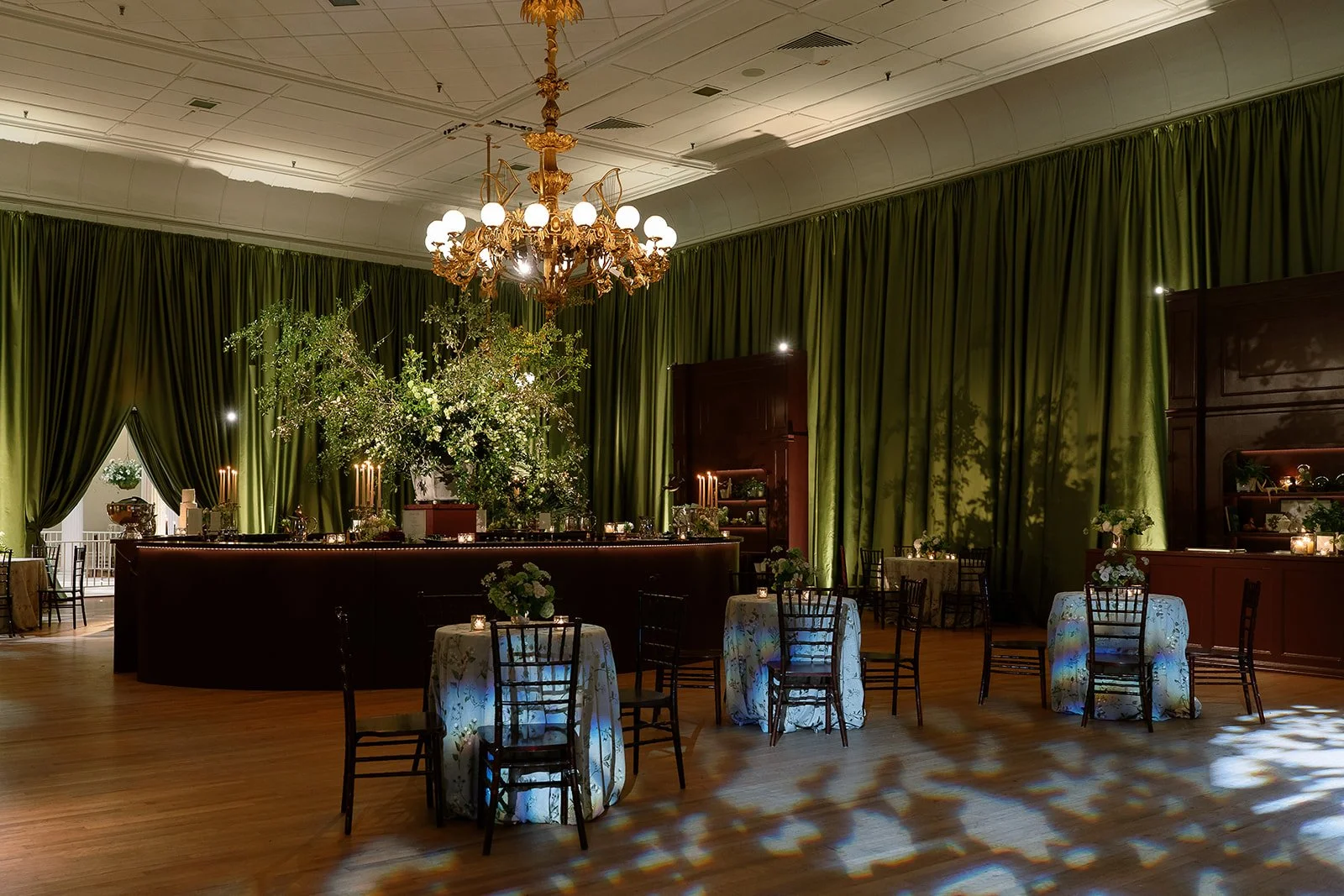
Quick Answer: How Do You Choose the Right Charleston Wedding Venue?
Choose a Charleston wedding venue by considering your true guest count, design direction, ceremony and reception flow, rain plan, transportation needs, vendor access, and the structure of the full wedding weekend. Historic homes, waterfront estates, gardens, downtown spaces, hotels, resorts, and private properties each create a different experience. The best choice is the venue that supports your priorities without asking your guests or production team to work against the space.
Why Charleston Is Such a Distinctive Wedding Destination
Charleston has a sense of place that cannot be manufactured. Its architecture, gardens, waterways, food, and established culture of hospitality give couples several distinct ways to host.
A celebration can feel formal at a historic home, open and coastal beside the river, or connected to the energy of downtown. It can also extend beyond the peninsula into a private Lowcountry estate or contained resort.
The official Charleston Wedding Guide reflects that range across venues, accommodations, vendors, and pre- and post-wedding celebrations. This matters because guests remember far more than the ceremony and reception. They remember the arrival, transportation, time to explore, and how thoughtfully each part connected to the next.
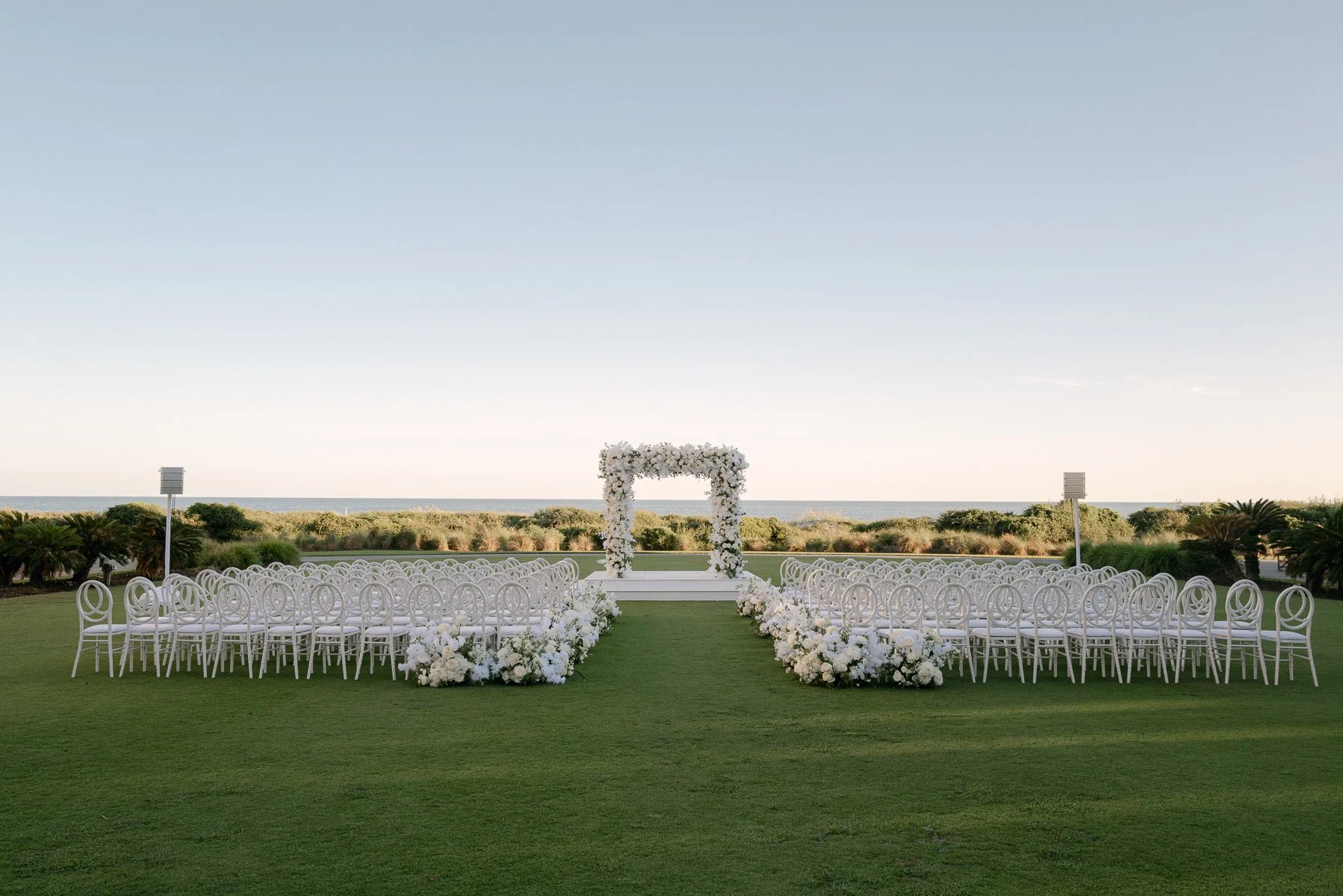
What Type of Charleston Wedding Venue Fits Your Celebration?
Historic Homes and Estates
Historic Charleston wedding venues offer architecture, intimacy, and a strong connection to the city. Deep porches, formal rooms, enclosed gardens, and aged brick create atmosphere before a floral stem or linen enters the property.
These venues often create a layered experience as guests move from a garden ceremony to cocktails on a piazza, then into a tent or interior rooms for dinner and dancing. Historic properties may also have protected surfaces, fixed entrances, narrow service paths, and specific rules for sound, candles, installation, and breakdown.
The William Aiken House is a clear example of this category. The historic 1807 mansion includes ballrooms, private grounds, courtyards, and open-air piazzas near Upper King Street. Its character is immediate, but the planning still requires attention to parking, transportation, guest movement, and the use of multiple spaces.
Waterfront Venues
Waterfront wedding venues in Charleston bring the landscape into the celebration. The changing light, river views, breeze, and sense of openness can shape the ceremony and cocktail hour without requiring excessive design.
The same setting introduces production questions. Wind affects paper goods, candles, sound, florals, fabric, and guest comfort. Waterfront lawns may also require tenting, flooring, power, additional lighting, and a more structured transportation plan.
Lowndes Grove is one of Charleston’s recognizable waterfront estates, set along the Ashley River with a grand lawn, piazza, terraces, and several spaces for gathering. Its published venue policies also show why a detailed review matters before booking. Tenting is required, onsite parking is limited, guest transportation is recommended, and amplified music is subject to placement and timing restrictions.
Those conditions affect the floor plan, rentals, transportation, entertainment, staffing, and total production investment.
Garden Venues
A garden venue can feel soft, private, and particularly connected to Charleston. Mature trees, layered greenery, stone paths, and enclosed courtyards create a natural progression from ceremony to cocktails and dinner.
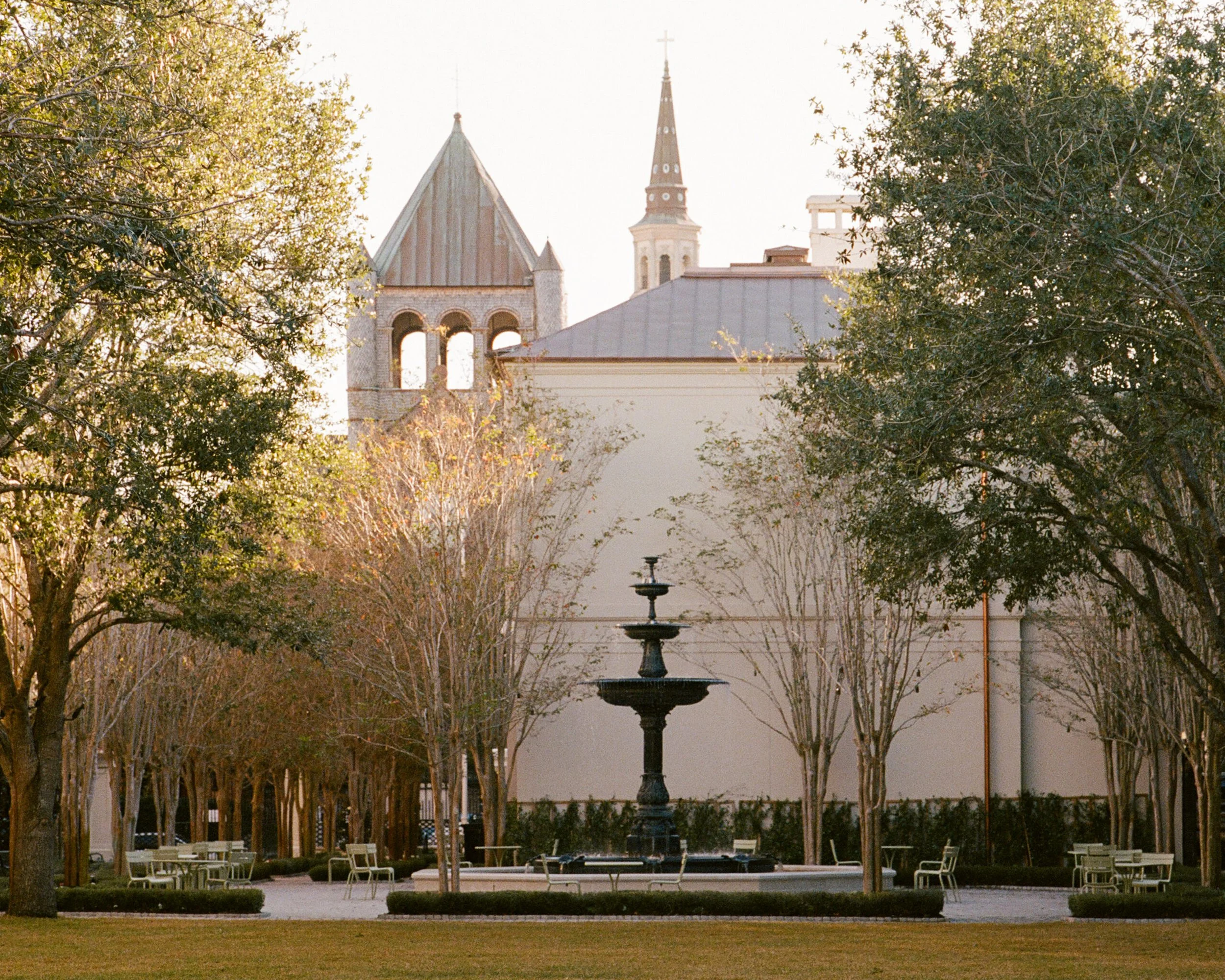
One of the city’s newest options is American Gardens, a nearly one-acre public greenspace on King Street framed by live oaks, native plantings, fountains, and a central allée of crepe myrtles. The garden hosts select private events throughout the year, giving couples a new way to gather within the heart of the city. Because the property also functions as a public park, availability, privacy, access, and production requirements should be discussed early in the venue review process.
The season also needs to be considered honestly. Heat, humidity, rain, insects, soft ground, and limited shade can change how a garden feels in use. A strong rain plan should protect guest comfort while preserving the intended flow and atmosphere as closely as possible.
Downtown and Cultural Venues
Downtown Charleston venues allow guests to remain close to hotels, restaurants, shopping, and the energy of the city. They can work especially well for couples who want guests to have independence between scheduled events.
Walkability should still be evaluated from the guest’s perspective. Cobblestones, heat, formal shoes, older family members, traffic, parking, and seasonal crowds all matter.
Cultural venues offer another option. The Gibbes Museum of Art hosts weddings and private events within its galleries, rotunda, and classical garden. Museum settings create a distinct atmosphere while requiring careful attention to operating hours, artwork, installation methods, and guest movement.
Hotels and Resorts
Hotels and resorts can simplify a destination wedding by bringing accommodations, dining, event spaces, and guest services together. They can also reduce transportation, keep guests connected throughout the weekend, and create natural gathering places between scheduled events.
The Cooper is a strong example of a downtown waterfront hotel that can support guest accommodations, dining, and several wedding-weekend events within one central Charleston property. The Dunlin, set along the Kiawah River on Johns Island, offers a more contained resort experience where guests can settle into the property and move through the weekend at a slower pace.
These settings solve different planning needs. One keeps guests directly connected to the city, while the other creates a quieter and more immersive Lowcountry experience.
Couples should still ask which areas remain private, whether outside vendors are permitted, how food and beverage minimums are structured, what transportation may still be required, and how much flexibility exists for custom design.
Private Properties
Private properties can offer discretion and significant creative freedom, but they may require the most infrastructure. Power, restrooms, catering access, security, parking, transportation, tenting, lighting, permitting, and site restoration must all be understood early.
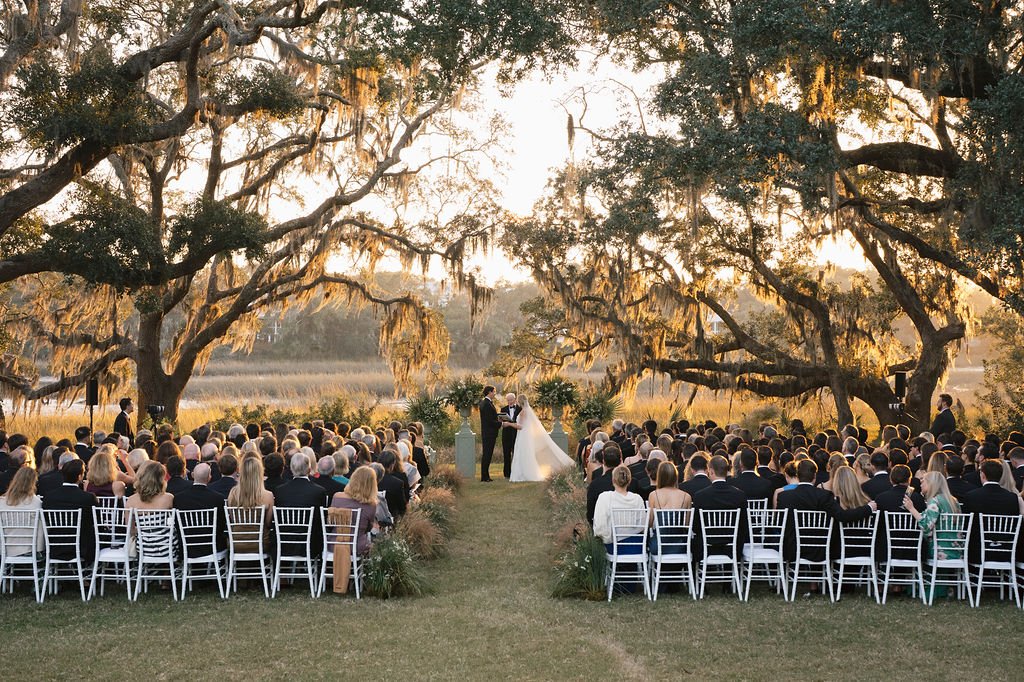
Should You Choose a Historic, Waterfront, Garden, or Downtown Venue?
Begin with the way you want people to experience the celebration.
A historic venue may suit a formal dinner, an intimate guest count, and a weekend rooted in Charleston’s architecture. A waterfront estate may be right when coastal views and outdoor progression are central. A garden may support a softer, more residential feeling. A downtown venue may give guests greater freedom to move between hotels, restaurants, and events.
Then look beyond mood. Where do guests arrive? How far do they walk? Can older guests move comfortably? Can dinner service operate without crossing the guest path? Is there enough room for the band, dance floor, bars, lounges, and seated dinner?
The venue becomes the framework for every one of those decisions. It shapes how guests gather, dine, dance, and remember the evening.
What Logistics Should Couples Review Before Booking a Charleston Venue?
Start with the true capacity. A published maximum may refer to a standing reception rather than a seated dinner with a stage, dance floor, bars, lounges, and comfortable service aisles. Ask to see floor plans for events with a similar guest count and format. A listed capacity doesn’t necessarily mean the flow is comfortable.
Next, review the weather plan. Where will the ceremony move? Can cocktail hour continue while another space is turned? Will all guests remain dry between locations? Can the backup plan support the same level of service, sound, and design?
Before signing, review:
Setup and breakdown windows
Load-in access for every vendor
Tenting requirements and approved providers
Power, lighting, kitchen, and sound access
Vendor restrictions and required partners
Music placement and cut-off times
Restrooms and accessibility
Parking, valet, shuttle staging, and rideshare pickup
Rental inclusions and required inventory
Security, insurance, and permitting
Getting-ready rooms and private family spaces
The exact areas included in the rental
Each answer can affect another contract. A limited installation window may require more labor, a required tent changes the rental plan, and a fixed music ending may require an offsite after-party.
This is why we often recommend choosing a Charleston wedding planner before the venue contract is final. An experienced planner can assess the full operational picture while there is still room to make a thoughtful decision.
How Does the Venue Shape the Full Wedding Weekend?
The venue should be considered alongside the hotel block, welcome party, rehearsal dinner, after-party, and farewell gathering.
A downtown wedding may allow guests to walk to Friday evening plans, then require group transportation to a waterfront estate on Saturday. A resort may keep everyone together while limiting access to certain outside vendors. A private property may provide complete discretion on the wedding day but require a more structured arrival and departure plan.
The location also affects downtime. Guests should have enough information to feel cared for and enough freedom to enjoy Charleston. A strong venue decision makes the surrounding plans easier.
Our guide toplanning the full Charleston wedding weekend looks more closely at arrival, guest downtime, transportation, wedding-day pacing, and the farewell. The venue is the anchor, but the weekend should still feel like one connected experience.
What Should Destination Couples Ask Before Touring Charleston Venues?
A venue tour should answer more than whether you like the property. Use the time to understand how the celebration will function.
Ask:
What is the comfortable capacity for a seated dinner and dancing?
Where will each part of the event take place in good weather and in rain?
Is tenting required, optional, or restricted?
What are the music rules and event end times?
Which vendors are required, exclusive, or prohibited?
What rentals and furnishings are included?
How early can the production team access the property?
Where will guest shuttles arrive and depart?
Are all event spaces private during the rental period?
How will guests with mobility needs move through the venue?
Where are catering, storage, and vendor staging areas located?
Walk the guest route from arrival through ceremony, cocktails, dinner, dancing, restrooms, and departure. A floor plan tells you what fits. A careful walk-through tells you how the venue will feel in use.
Reagan Events Perspective: Choose the Venue That Supports the Experience
For Reagan Events, the best Charleston venue is not automatically the most recognizable one. It is the setting that supports the feeling, rhythm, privacy, and hospitality of the complete celebration.
The design should feel connected to the property rather than placed on top of it. Guests should understand where to go without being overdirected. Service should move quietly. Family members should remain present because logistical questions have already been answered. Weather plans should feel intentional rather than improvised.
Our planning process considers the venue alongside design origination, vendor curation, guest communication, transportation, production, and onsite execution. The Reagan Events team manages those elements as one connected plan.
When the venue is right, guests may never know how much coordination sits beneath the experience. They simply feel welcomed and considered.
When Should You Book Your Charleston Wedding Venue?
Charleston’s most requested venues and dates often book well in advance, especially during spring and fall. Multi-day destination weddings require additional lead time because the venue must align with hotel rooms, transportation, key creative partners, and surrounding events.
Begin early, but do not allow urgency to replace due diligence. The goal is to understand the setting well enough to know that it can support the celebration you intend to host.
Frequently Asked Questions About Charleston Wedding Venues
What Is the Best Type of Wedding Venue in Charleston?
The best venue depends on your guest count, priorities, privacy needs, design direction, and weekend plans. Historic homes, waterfront estates, gardens, downtown venues, hotels, resorts, and private properties each create a different atmosphere and require a different operational plan.
Are Charleston Wedding Venues Good for Destination Weddings?
Yes. Charleston offers historic architecture, coastal settings, strong hospitality, notable restaurants, varied accommodations, and many options for welcome gatherings and farewell events. The city works particularly well when lodging, transportation, and the full guest experience are planned together.
Should We Choose the Venue Before Hiring a Planner?
You can, but hiring a planner first can prevent expensive surprises. A planner can evaluate true capacity, guest flow, rain plans, vendor restrictions, access, rental needs, transportation, and whether the venue supports the full weekend before you sign.
What Should We Ask a Charleston Wedding Venue Before Booking?
Ask about comfortable seated capacity, the rain plan, tenting, vendor restrictions, music rules, rental inclusions, setup time, parking, shuttle access, restrooms, accessibility, power, security, and which spaces are included privately.
Are Historic Charleston Wedding Venues More Complicated to Plan?
They can require more detailed planning because of preservation guidelines, fixed layouts, sound restrictions, rental needs, and limited service access. In return, they offer architecture and a sense of place that are distinctly Charleston.
Can Reagan Events Help Us Choose a Charleston Wedding Venue?
Yes. Reagan Events helps couples assess how a venue supports the design, logistics, guest experience, and complete wedding weekend. We look beyond appearance to understand how the setting will function once every guest, vendor, and production element is in place.
Choosing the Right Charleston Setting
Choosing a Charleston wedding venue is one of the first decisions that gives the celebration its shape. It influences the atmosphere, guest journey, design possibilities, production plan, and the way the full weekend moves.
The right setting should feel personal to the couple and generous to the people they have invited. It should allow Charleston to be experienced without asking guests to navigate unnecessary friction. Most importantly, it should provide a strong foundation for a celebration that feels calm, thoughtful, and beautifully led.
For couples considering Charleston destination weddings, venue selection is where the larger experience begins. To discuss how Reagan Events approaches the setting, guest journey, design, and production as one complete plan, inquire about your Charleston wedding.