
The New Luxury Guest Experience: Designing a Wedding Weekend for Every Generation
A wedding guest list has a way of bringing an entire lifetime into one room.
Grandparents are seated beside college friends. Young children are running between cousins they have just met. Guests may be arriving from different countries, navigating an unfamiliar destination, managing mobility concerns, traveling with babies, or simply experiencing a very different pace of celebration than they are used to.
That mix is part of what makes a wedding so meaningful. It is also why guest experience has become such an important part of planning a sophisticated, multi-day celebration.
At Reagan Events, we think about hospitality beyond what a guest sees. A beautiful table matters. So does whether someone can comfortably walk to it. The view from the ceremony matters. So does whether guests are sitting in direct sun for forty-five minutes. The party should feel incredible at midnight, but the grandmother of the bride should also be able to enjoy dinner without being seated beside a speaker.
These decisions rarely call attention to themselves. That is precisely the point.
A thoughtful multigenerational wedding guest experience allows people with very different needs, ages, cultures, and travel preferences to participate in the same celebration comfortably. It does not require creating separate experiences for every group. It requires anticipating where friction may occur, building in options where they matter, and making the entire weekend feel intuitive.
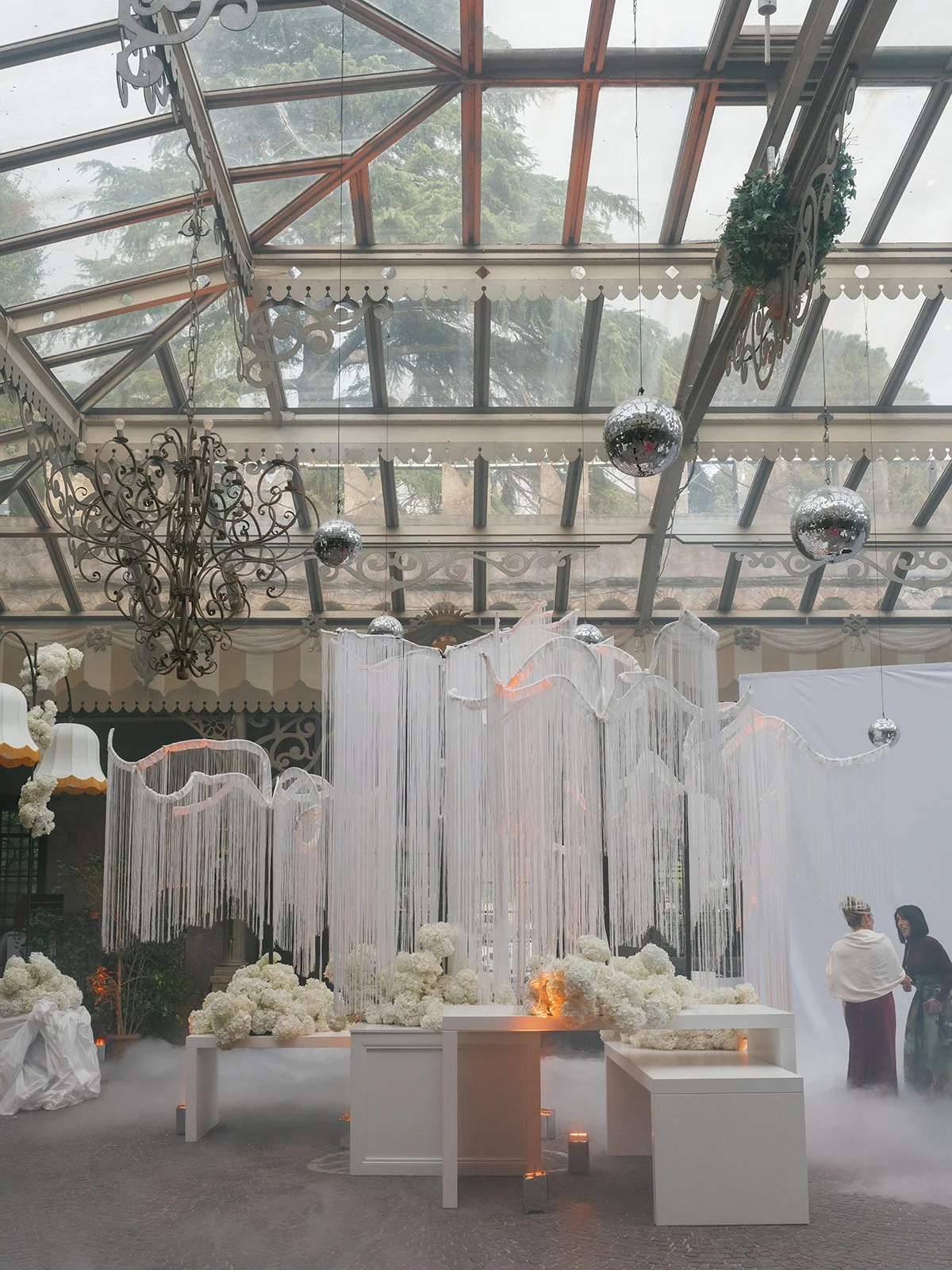
Why Has Guest Experience Become a New Measure of Luxury?
For a long time, conversations around high-end weddings centered heavily on what guests could see: the flowers, the venue, the tabletop, the entertainment, the scale of the production.
Those things still matter. We are event designers, after all, and I will always appreciate an exquisitely set table.
But what guests remember is more layered.
They remember whether transportation was waiting when they walked outside. They remember having a cold drink when the afternoon was hot. They remember knowing exactly where they needed to be without searching through old emails. They remember being able to sit comfortably, eat well, have a conversation, and move through the weekend without constantly figuring out what came next.
We have written before about designing the guest experience over an entire wedding weekend, because hospitality is cumulative. One thoughtful decision is lovely. A hundred thoughtful decisions working quietly together create ease.
That ease has become one of the clearest markers of a well-produced celebration.
What Makes a Wedding Guest List Multigenerational?
Age is certainly part of it, but multigenerational wedding planning extends beyond age alone.
A destination wedding may include guests who travel internationally several times a year alongside relatives taking their first overseas trip. Some people will happily navigate a digital itinerary and QR code. Others would much rather have a printed card waiting in their hotel room.
One guest wants to dance until 2 a.m. Another wants to enjoy dinner, watch the first dances, and comfortably return to the hotel by 10.
Children may need an earlier meal. Older relatives may need shorter walking routes. Someone recovering from an injury may need assistance that is not immediately visible. International guests may have different expectations around timing, transportation, meals, or wedding customs.
The goal is not to make every guest behave the same way. It is to create a shared experience with enough flexibility that people can participate well.
Knowing the guest list becomes incredibly important here.
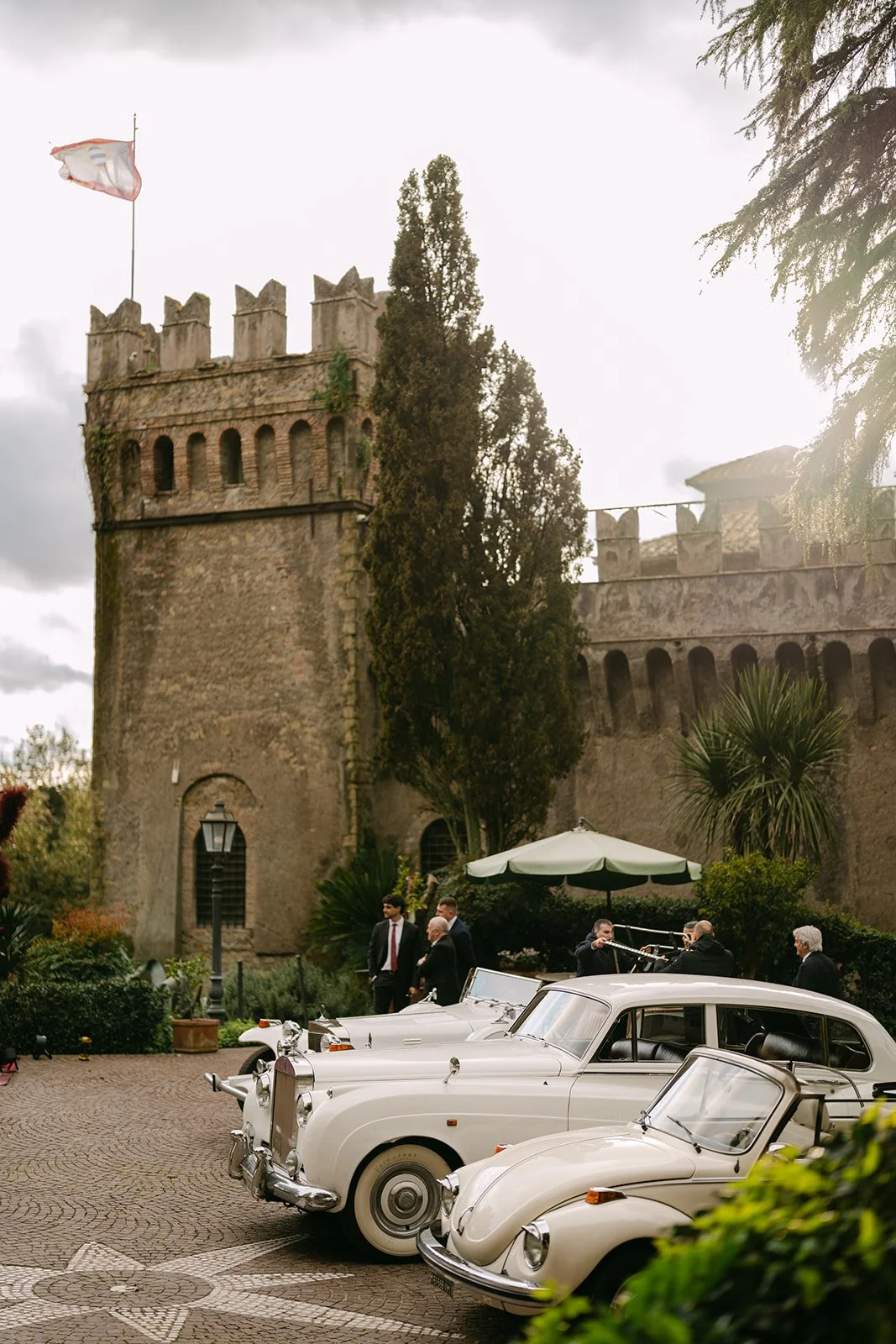
How Can the Wedding Timeline Work for Guests of Different Ages?
One of the easiest ways to exhaust guests is to overschedule them.
When people have traveled to celebrate with you, every open hour does not need to become another obligation. Downtime is part of good hosting.
This is especially important during a multi-day destination wedding. A welcome party, rehearsal dinner, wedding, after-party, brunch, excursion, pool gathering, and group lunch can quickly turn what should feel like a getaway into a very attractive endurance test.
We prefer to establish the moments that genuinely matter and give the weekend room to breathe around them.
Our wedding weekend guest comfort guide goes deeper into this idea, but the basic principle is simple: consider how the schedule feels to experience, not simply how neatly it fits onto paper.
Transportation can also provide choice. If a reception continues late into the evening, offering an earlier return shuttle allows older guests, families, or anyone ready to leave to do so gracefully. They should never feel as though leaving before the after-party means they have somehow missed the wedding.
Good pacing allows everyone to enjoy the celebration at their own rhythm.
How Should Transportation and Accessibility Be Planned?
Guest comfort is probably one of the most overlooked needs we see during planning.
And when I say comfort, I mean very practical things.
Is there solid footing for guests to walk on? How far is the ceremony from where transportation can drop them? Are there stairs? Gravel? Grass? A long path in formal shoes? Will guests be standing in direct heat? Are bugs going to become an issue after sunset? Where are the restrooms?
None of these questions are particularly glamorous, but each one can completely change how a guest experiences an event.
Accessibility needs should be handled discreetly and early whenever possible. There is rarely one formal method for gathering every requirement. Much of it comes from knowing your guest list and anticipating circumstances you are already aware of. Guests with specific mobility or accommodation needs will often reach out before the wedding as well, giving the planning team time to prepare appropriately.
For destination celebrations, these details become part of the larger guest journey from arrival through departure. Transportation, venue access, communication, timing, and physical comfort cannot be planned independently of one another.
How Can Couples Offer Choice Without Making the Weekend Feel Disconnected?
Choice works best when there is a clear distinction between the core wedding experience and everything surrounding it.
Guests should know which moments matter most. Around those moments, flexibility can be generous.
A destination weekend might include an optional boat day, golf outing, spa appointments, pool time, shopping suggestions, or a casual gathering where guests can drop in rather than arrive at a precise minute.
Even the first evening can be approached with different levels of formality. A thoughtfully planned destination wedding welcome party can give everyone a shared starting point without demanding too much from guests who have just traveled.
Children are another place where thoughtful choices matter. They do not necessarily need to be included in every event simply because they have been invited for the weekend. Some celebrations may be family-friendly, while another dinner or late-night event remains adults-only. Providing trusted childcare options can give parents the ability to participate fully without leaving them to solve the logistics themselves.
The weekend still feels connected because everyone shares its most important moments.
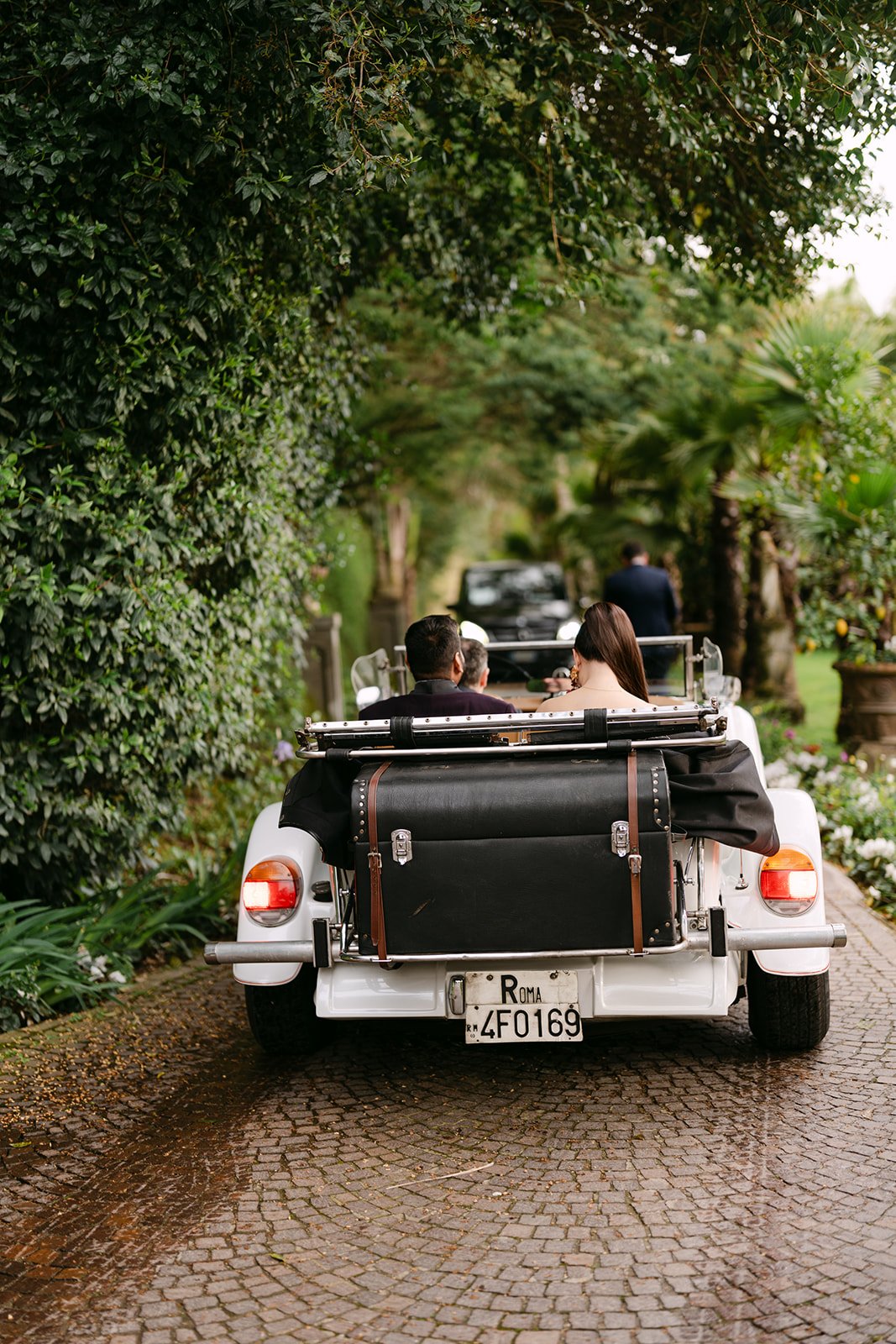
What Role Do Food and Service Play in Inclusive Hospitality?
Food is one of the most personal ways we care for guests.
We typically collect dietary restrictions during the RSVP process so allergies and other food-related needs can be addressed with the catering team well before the wedding. A guest should not have to explain a serious allergy repeatedly once they arrive at an event.
Meal timing matters too.
If guests have been traveling, drinking cocktails in the sun, or moving between locations, food and hydration cannot become an afterthought. Water needs to be easy to find. Passed food should arrive when people need it. Dinner should happen at a reasonable point in the evening.
The strongest service teams notice without hovering.
They see the older guest who may need a chair. They know which person at the table requires a specific meal. They notice a water glass that has been empty too long. They solve small problems before those problems ever become part of the guest's memory.
That discretion is one of the most valuable forms of service.
Thoughtful Seating Can Completely Change Someone's Evening
Sometimes an extraordinarily small planning decision makes the difference.
I always think carefully about where older guests are seated during the reception. Placing their table directly beside loudspeakers or heavy music may make it impossible for them to comfortably enjoy dinner or conversation.
But moving them too far away creates another problem. They may feel disconnected from everything happening.
The right placement keeps them within eyesight of the dance floor, speeches, and major moments while protecting them from excessive volume. Older guests may spend much of the evening at their table, so that table becomes their vantage point into the celebration.
A few feet can make an enormous difference.
This is the type of decision nobody photographs, but the guest absolutely feels.
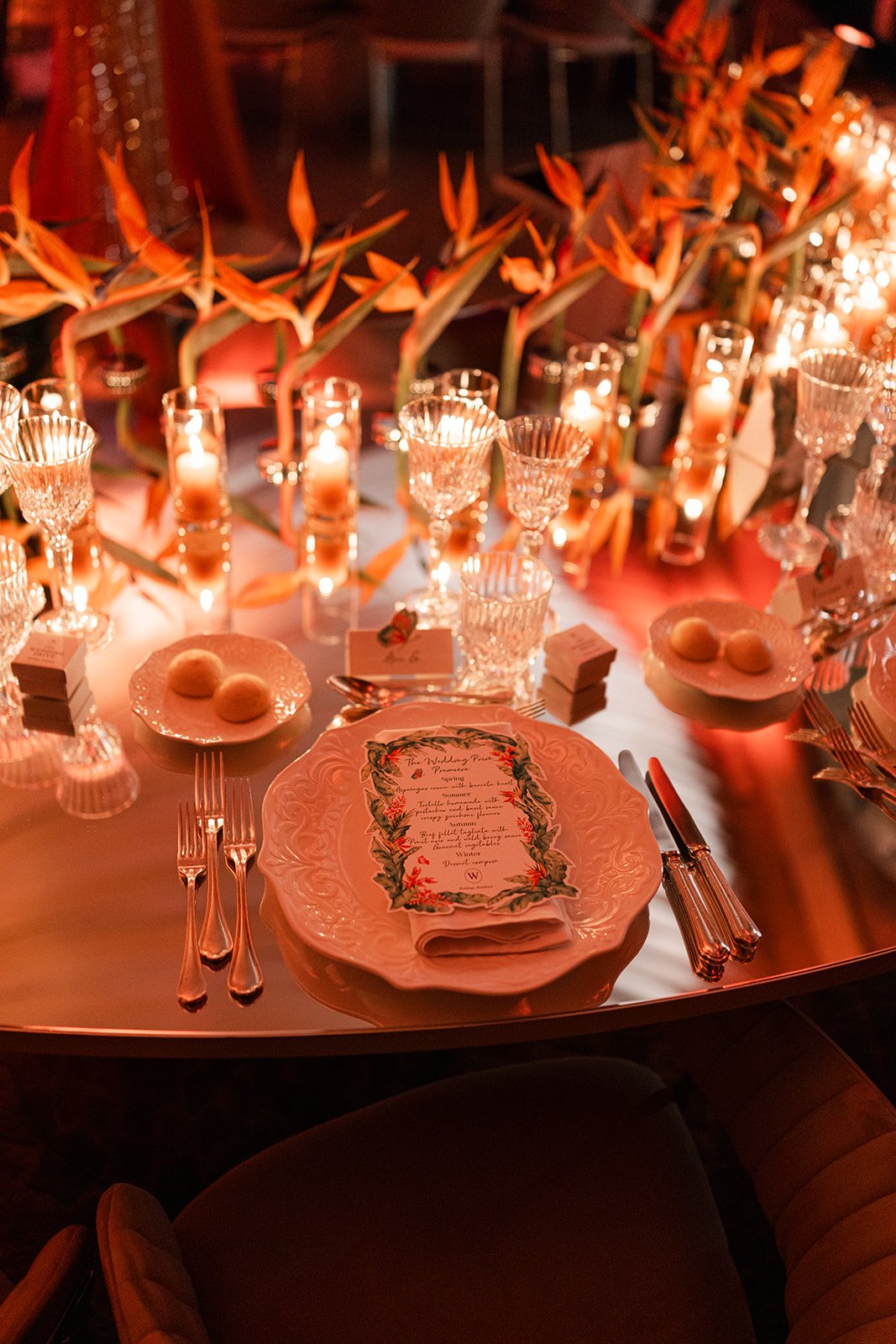
The Reagan Events Perspective: The Best Hospitality Is Often Invisible
Our job is to identify friction before a guest encounters it.
We do not want the couple answering texts about transportation while getting dressed. We do not want a parent discovering at the ceremony that a stroller cannot navigate the path. We do not want a grandmother searching for somewhere to sit or an allergic guest wondering whether dinner is safe to eat.
That is why our planning process treats logistics, design, communication, and hospitality as connected pieces of the same production.
Guest care should never feel clinical. It should feel personal.
A beautifully designed wedding weekend can still have tremendous energy, surprise, scale, and personality. Thoughtfulness does not mean removing the fun. In many cases, it creates more of it because guests are comfortable enough to actually enjoy what has been planned for them.
That, to me, is the standard.
Frequently Asked Questions
How do you plan a wedding for guests of all ages?
Begin by understanding how different guests will move through the weekend. Consider transportation, walking distances, seating, meal timing, weather, noise levels, downtime, accessibility, and communication. Build flexibility around a few clearly defined shared events.
What should couples consider for elderly wedding guests?
Pay particular attention to walking surfaces, stairs, transportation access, heat and weather protection, seating availability, restroom proximity, and reception table placement. Older guests should remain connected to the celebration without being placed in an uncomfortable environment.
How can destination weddings be made more accessible?
Evaluate the entire guest journey, beginning with travel information and transportation. Venue access, mobility routes, terrain, guest-room location, shuttle service, weather plans, and clear communication should all be addressed well before guests arrive.
Should children be included in every wedding-weekend event?
Not necessarily. Couples can decide which events are family-friendly and which are adults-only. When children are invited for the weekend but excluded from a particular event, offering reliable childcare information can make the experience significantly easier for parents.
How much downtime should a multi-day wedding include?
Enough that guests have time to rest and enjoy the destination independently. Avoid turning every available hour into a scheduled event. A thoughtfully paced weekend gives guests space while keeping the important shared moments clear.
What information should be collected from guests before the wedding?
Dietary restrictions are commonly collected through RSVPs. Known mobility requirements, allergies, childcare needs, and other accommodations should also be addressed ahead of time whenever possible. Clear communication gives the planning team the opportunity to prepare discreetly.
A Wedding Weekend Everyone Can Experience Well
The people gathered at a wedding rarely arrive with identical needs, energy levels, or expectations. They should not have to.
The beauty of a multigenerational destination wedding is that it gathers people from different seasons of life around one shared milestone.
Our responsibility as hosts and planners is to make room for all of them.
Not by designing five different weddings, but by producing one considered experience where the transitions make sense, comfort has been protected, choices exist when they are useful, and guests are free to focus on why they came in the first place.
For couples considering a multi-day celebration, you can explore our approach to Luxury Weddings & Destination Celebrations or begin a private conversation with Reagan Events.
The most meaningful hospitality rarely announces itself. Guests simply leave knowing they were thought of.