
Alison Hotchkiss
The tools have changed. The expectations have changed. The speed at which people can find inspiration, vendors, and information has changed completely.
The fundamentals of building a respected creative business have not.
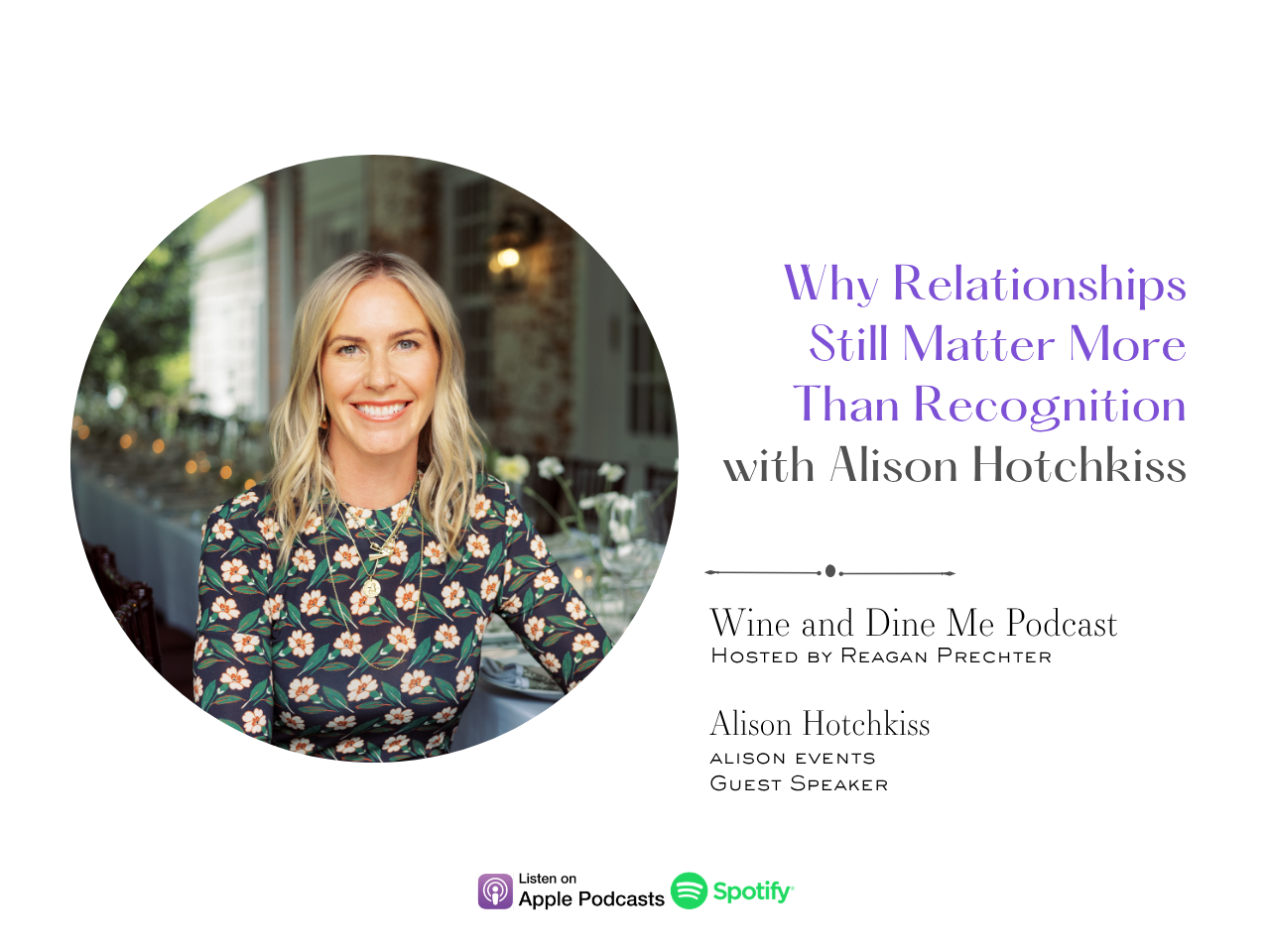
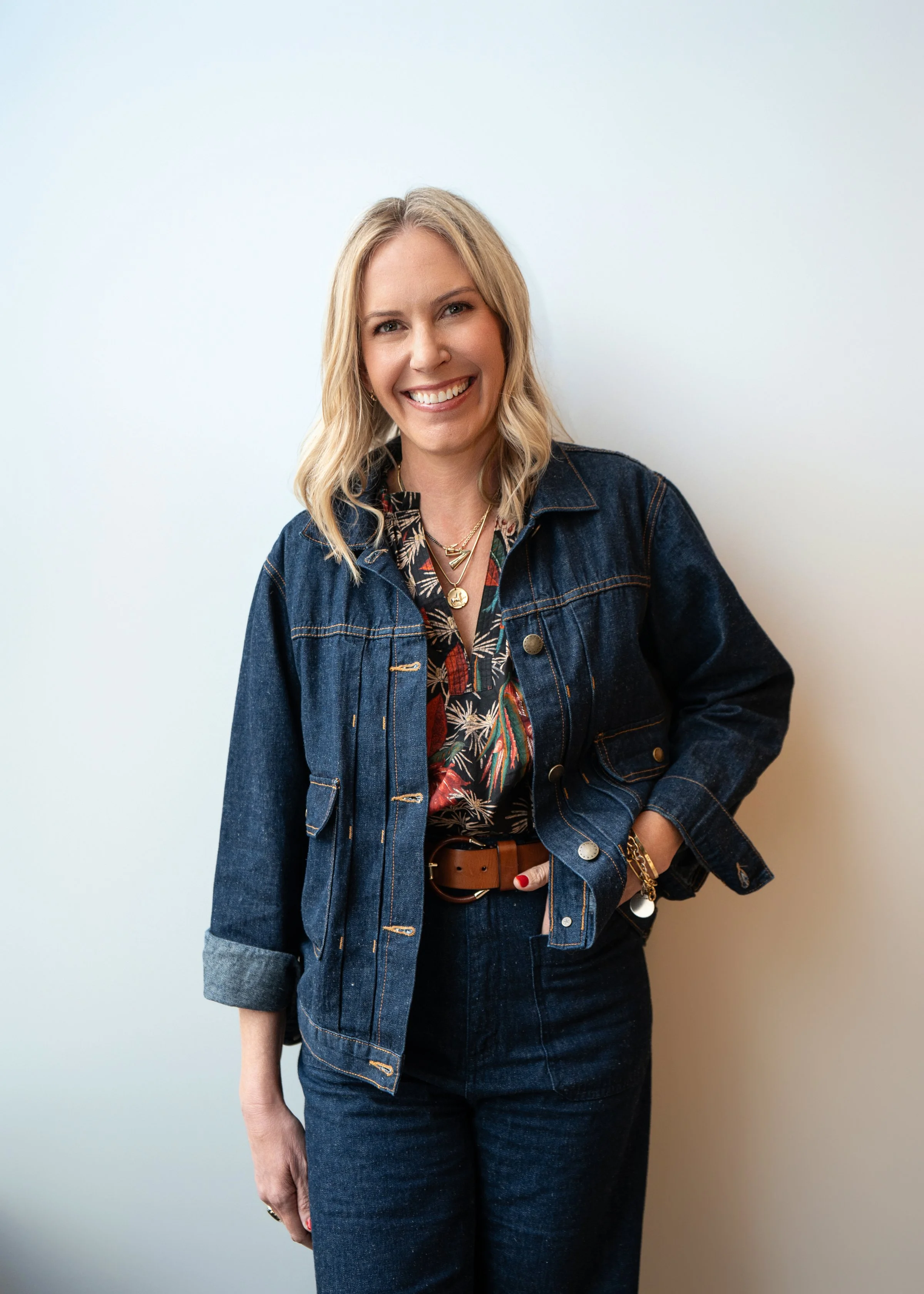
In this episode of The Wine and Dine Me Podcast, I sit down with Alison Hotchkiss, founder of Alison Events, to talk about what it actually takes to build a career that lasts for nearly 25 years.
Alison began her company at 25, long before Instagram vendor tags, Pinterest boards, polished directories, and immediate access to nearly every destination and creative partner. Since then, she and her team have produced layered, multi-day celebrations across 15 countries, written three books, developed lasting client relationships, and evolved from a founder-led operation into a focused team producing a limited number of significant events each year.
Our conversation moves beyond beautiful parties. We talk about work ethic, relationships, employee departures, leadership, collaboration, competition, professional development, and the point at which a founder has to stop being the person wearing the headset.
Above all, Alison makes a strong case for the qualities that cannot be manufactured online: consistency, kindness, judgment, grace, and the ability to make people feel genuinely cared for.
Listen to the full conversation with Alison Hotchkiss on Spotify or Apple Podcasts.
Building Destination Events Before Everything Was Searchable
When Alison began planning destination weddings, sourcing was far more personal and far less immediate.
There were no expansive Instagram portfolios to scroll through. Vendor directories were limited. Inspiration boards were assembled by cutting images from magazines and physically pasting them together. Finding the right creative partner in another country often meant following one recommendation until it led to another.
One of Alison’s earliest weddings took place in Playa Grande, Costa Rica. There was no established rental company nearby and no linen resource with a warehouse full of choices. The team traveled to San José to have linens made, hired local housekeepers to sew napkins, borrowed benches from a rodeo, and spray-painted string lights pink to create a warmer glow.
When they needed a DJ booth inside a palapa, members of the wedding party helped build it the day before.
There was no expectation that every necessary resource would already be available. The work required curiosity, improvisation, and the confidence to solve problems without a polished roadmap.
Alison remembers collecting every issue of Travel + Leisure and saving pages that might contain a useful hotel, destination, or supplier. Years later, one torn page could become the starting point for an event in a location she had never worked before.
That process demanded a kind of creative resourcefulness that can be harder to develop when everyone has immediate access to the same references.
Today, couples and planners can often see the same weddings, save the same design ideas, contact the same vendors, and generate similar visual concepts within minutes. Access has improved, but access alone does not create discernment.
The deeper skill is still knowing what to do with the information.
Hard Work Is Still the Foundation
The industry may appear more accessible now, but Alison is clear about the work required to become genuinely good at it.
“The foundation of being good at what you do is working really hard.”
There is no tool that replaces the hours spent learning production, managing difficult conversations, understanding vendor needs, recovering from mistakes, and building the judgment required to lead a complicated event.
Visibility can create the appearance of momentum. A strong portfolio can make a newer company look established. Editorial lists and social media recognition can offer useful credibility.
None of those things can replace experience.
Experience is what allows a planner to recognize the early signs of a problem, understand where a client may need firmer guidance, know when a vendor is being asked to do too much, and make decisions that protect the production without disturbing the atmosphere.
The strongest planners are constantly balancing competing interests. They are representing the client while respecting the professionals hired to execute the work. They are protecting boundaries without making the client feel dismissed. They are managing details while maintaining enough perspective to understand the entire experience.
That responsibility cannot be reduced to a checklist.
As Alison explains, the planner is acting as the executive producer at the top of a complicated network of people. The work is creative, but it is equally relational.
Relationships Are the Currency of a Lasting Career
Alison has worked just as hard on her relationships throughout her career as she has on the events themselves.
That includes relationships with clients, vendors, employees, colleagues, and the broader community of professionals around her.
“You get called again because someone was like, wow, I really liked working with that team. That team was lovely. That team was kind.”
Beautiful work may earn attention. A good working experience earns trust.
That distinction matters because events are produced under pressure. Long hours, complex logistics, compressed installation windows, weather changes, emotional family dynamics, and significant financial decisions all meet in the same place.
People remember the team that remained calm.
They remember the planner who communicated clearly, treated the catering staff with respect, protected the floral team’s installation time, and handled a difficult client conversation without creating unnecessary drama.
They also remember when the opposite happened.
Alison shared the story of a client who contacted her approximately 12 years after their original event. Alison’s team had planned a wedding at the client’s home for a close friend. More than a decade later, that client returned to ask whether they would produce her husband’s 60th birthday celebration.
That single relationship eventually developed into additional corporate and concierge work.
The opportunity did not come from a new advertisement or a recent social media post. It came from the memory of a well-produced experience and a relationship that had been handled with care.
For years, many wedding planners approached a client relationship as something that ended after the final invoice and photograph delivery. The wedding was complete, so the work was complete.
Alison now encourages planners to think more expansively. The people who trusted you with one of their family’s most significant weekends may later need support with milestone birthdays, anniversary celebrations, company gatherings, children’s events, or another family wedding.
You have already demonstrated your value. You have already learned how the family communicates and what they care about. Beginning again with an entirely new professional may be less appealing than returning to someone they already trust.
The relationship should not feel transactional simply because the original event has ended.
The Founder Cannot Always Be the Person With the Headset
For much of Alison’s career, she wore the event uniform and remained deeply immersed in the physical production.
She was the person moving through the space, managing every fire, answering every question, and directing each transition. That level of involvement is often necessary when a company is small.
Eventually, it can also become limiting.
In recent years, Alison has shifted into a more visible executive producer role during events. Her team manages the detailed production while she spends time with the clients, enters the bridal party room, greets family members, speaks with guests, and remains present during the most meaningful moments.
She is still involved. She is simply involved differently.
This shift allows her to protect the larger relationship and observe the experience from a position that would be impossible if she were simultaneously troubleshooting a kitchen issue.
It also gives her team the space to lead.
For founder-led companies, this can be a difficult transition. Clients may initially believe they are hiring one individual rather than a collective team. The founder may also feel personally responsible for touching every detail.
Alison believes that learning to sell the strength of the company, rather than relying exclusively on the founder’s name, creates a more sustainable business.
“If you can start selling your company as your people and not just you, I think you’re setting yourself up for success.”
The founder’s presence still matters. Alison remains copied on communication, attends major design meetings and tastings, and steps forward when a client needs additional reassurance or a situation requires her authority.
The client is not being passed to a junior planner. They are being supported by a carefully assembled team with different areas of expertise.
For a large-scale event, that may mean separate people concentrating on food and beverage, creative direction, transportation, vendor management, and guest logistics. The result is more attention, not less.
Everyone You Hire Will Eventually Leave
One of the most candid sections of our conversation centers on a difficult reality of leadership: the people you invest in may eventually leave.
Employees start companies. They move. They get married. They have children. They choose freelance work. They decide they want their own name on the door.
The first time a valued employee left Alison Events, Alison worried she would never find another person like her. With each departure, she gradually changed her perspective.
Rather than treating employment as a permanent arrangement, she began seeing it as a period of mutual contribution.
The employee gives their talent, time, and perspective to the company. The founder provides experience, access, development, and the opportunity to grow. Both parties should leave the relationship stronger.
Alison knows employees may take knowledge, industry relationships, vendor connections, and experience with them. She does not allow that possibility to prevent her from investing fully in their development.
“I’m going to put everything I can into this person and know that I’m going to help grow and develop this human.”
Some departures still create frustration. Not every transition is handled perfectly. The greater goal is to move through them with enough grace that the relationship can continue in a new form.
One former employee went on to build a successful glamping company and open a hotel. Alison eventually invested in the property.
Another team member shifted into freelance work to create space for marriage, family, and her husband’s business. She continues to work with Alison Events on selected projects.
This approach requires a founder to separate personal disappointment from professional pride. Someone leaving does not mean the time invested in them was wasted.
Their ability to succeed may be part of the founder’s legacy.
Strong Leadership Requires Accountability
Investing in yourself does not only mean attending conferences or booking destination familiarization trips.
Alison speaks openly about therapy, business coaching, mentorship, and the importance of having people who can challenge the founder’s perspective.
She enjoys when her staff questions an idea, identifies a problem she has not considered, or reminds her of a past experience that should influence the current decision.
“I love when my staff calls me out on my sh*t.”
That openness is essential because experience can easily turn into certainty. A founder who has been successful for decades may begin assuming that the established way is always the correct way.
Accountability keeps the ego from controlling the room.
Alison also recommends developing a small group of trusted peers within the industry. A private group of planners, designers, photographers, or other creative founders can become a place to ask questions, compare experiences, and receive honest perspective.
Occasionally, members of that group may be speaking with the same prospective client. That does not erase the broader value of the relationship.
There is more work available than fear often allows people to believe. Protecting every piece of knowledge rarely produces the same value as participating in a thoughtful exchange with people you respect.
You Do Not Need to Attend Everything
The event industry offers no shortage of conferences, retreats, familiarization trips, networking dinners, and educational programs.
Alison believes these opportunities can be valuable, but they should be approached as business investments rather than social obligations.
Travel often involves expenses beyond the registration fee. Flights, transfers, meals, time away from active client work, and lost time at home all need to be considered honestly.
The pressure to appear everywhere can become its own distraction.
Alison encourages creative professionals to choose the opportunities that fit their business, personality, and financial position. That may mean attending one thoughtful conference and one valuable trip each year. It may mean creating a private research trip with a small group of trusted colleagues instead of participating in every formal invitation.
She has also learned that large conferences are not always the best environment for her. Smaller, lower-ego gatherings allow her to have more meaningful conversations, discover new talent, and connect with professionals whose work may become relevant to a future project.
Professional development should create clarity and connection. It should not leave a business owner depleted, financially strained, or constantly moving from one party to another.
Collaboration Becomes Easier When You Have Nothing Left to Prove
Earlier in Alison’s career, she felt closely tied to the identity of event designer.
If another person created the design, what did that say about her role?
Experience eventually allowed her to release that concern.
Today, Alison Events may develop a design internally, hire a freelance creative lead, work with an outside design firm, collaborate with a production company, or invite a specialist to shape a particular part of the project.
The decision depends on the client, the destination, the production scale, the aesthetic, and the people best equipped to execute it.
Alison described collaborating with Lynden Lane on a wedding held at a location where her company had already produced another family celebration. The new client wanted a distinct aesthetic, and Alison recognized that an outside design perspective would serve the project well.
Lynden Lane designed the event. Alison Events produced it.
The first collaboration required both teams to clarify responsibilities and learn how their processes overlapped. It also created a stronger result for the client.
Alison shared another example involving a large wedding in France. The bride wanted a highly feminine visual direction that sat outside the design language Alison’s company typically produced. Rather than forcing the event through her own aesthetic, Alison partnered with a French design team that understood the client’s vision.
The finished event reflected the bride beautifully, even though it did not resemble the majority of Alison Events’ portfolio.
That was part of the lesson.
A planner does not need to claim every creative decision personally. Executive production includes recognizing the right creative partner, guiding the collaboration, managing the budget and logistics, and ensuring the final work remains aligned with the client.
There are many valid ways to build the team.
The standard is whether the client’s vision is understood and whether the experience is executed well.
Guest Experience Is Where Exceptional Events Still Distinguish Themselves
Visual inspiration has never been more available.
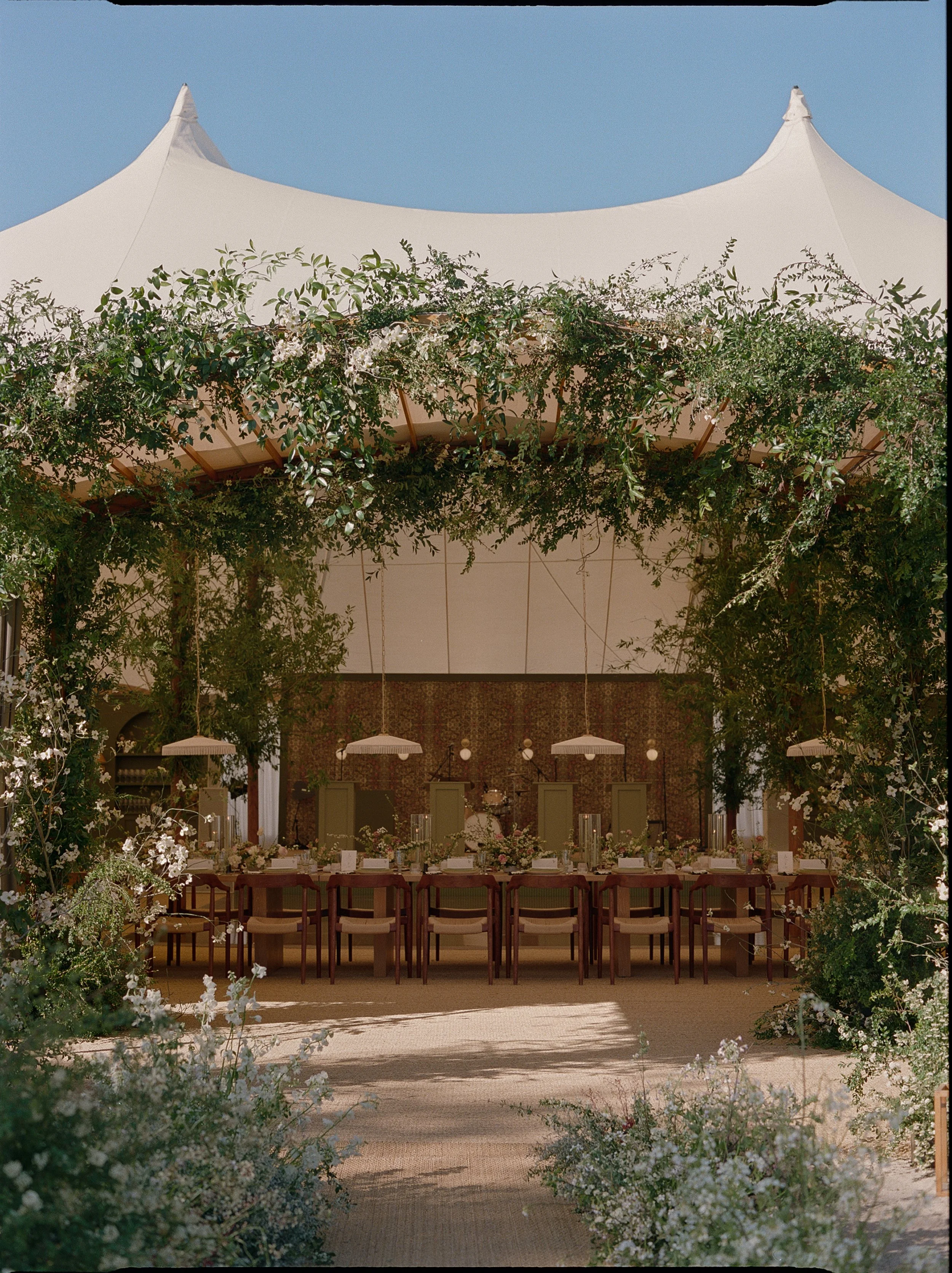
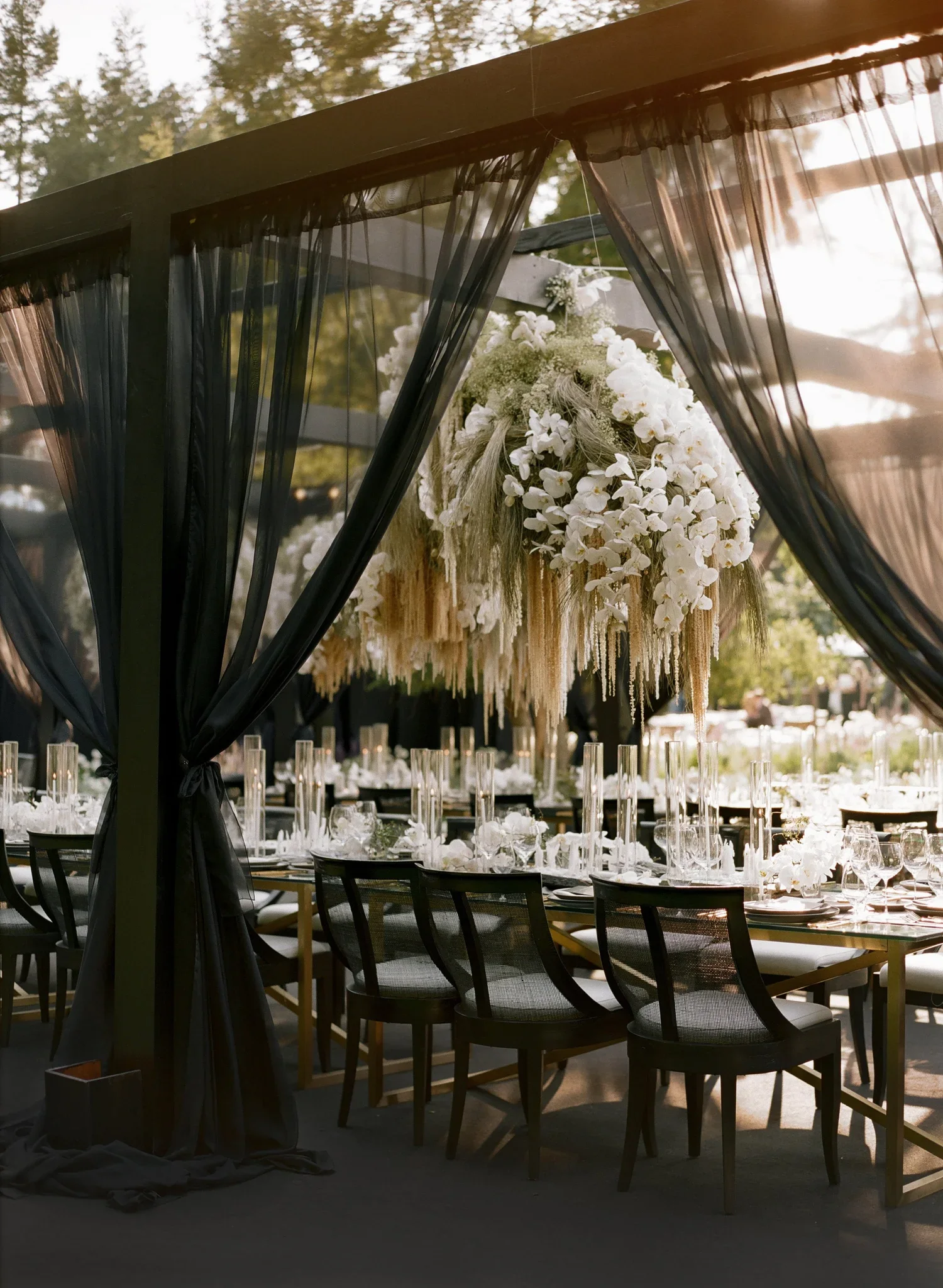
Clients have seen the tent installations, floral ceilings, patterned dance floors, dramatic ceremony structures, and candlelit tables. Unless an event is doing something entirely unexpected, a beautiful image may feel familiar before the guest ever arrives.
Alison believes guest experience is where a sophisticated event team can still make a lasting impression.
“We’ve seen all the pretty, but I think the guest experience is the piece where you can really shine.”
Guest experience is created through hundreds of decisions that may never appear in the final gallery.
It is the ease of arrival. The clarity of communication. The pacing of the weekend. The transportation that appears before anyone needs to ask. The dietary restriction quietly accommodated. The room that feels comfortable. The transition that happens without a line forming or a guest becoming confused.
It is the feeling that someone has anticipated what you need.
Those decisions require planning intelligence, hospitality, and attention to people. They cannot be copied from a photograph.
The most memorable event may not be the one with the most elaborate installation. It may be the one where each guest felt known, guided, and cared for from beginning to end.
Lead With Kindness and Remain Consistent
At the conclusion of our conversation, I asked Alison what every planner, photographer, designer, and creative partner should remember.
Her answer returned to the same place where the conversation began: relationships.
Do not become too busy to maintain them. Do not allow stress to erase your manners. Be consistent in your service, your communication, and the way you treat people when the circumstances become difficult.
Talent will evolve. Teams will change. Platforms will rise and disappear. The industry will continue finding new ways to celebrate, publish, compare, and compete.
People will still remember who was kind.
They will remember who followed through. They will remember the team that made hard work feel calm and the leader who treated every person in the room with respect.
That is how trust is built slowly. It is also how a career lasts.
Learn more about Alison’s work at Alison Events, and follow @Alison_events on Instagram for a closer look at her events, travels, and creative perspective.
Listen to the full conversation with Alison Hotchkiss on Spotify or Apple Podcasts.