
Julie Livingston & Caroline Brown
There are certain moments on an event day that no one wants to think about until they are already happening.
A guest slips on the dance floor. A grandmother feels faint during portraits. Someone has an allergic reaction during dinner service. A bridesmaid is several months pregnant and suddenly needs more attention than anyone anticipated. A guest drinks too much, a vendor overheats under a tent after fifteen hours on site, or someone quietly disappears into the restroom because they are too sick to stay at the party.
For years, planners have handled these moments the way planners handle almost everything. Calmly. Quietly. Resourcefully. With one eye on the guest, one eye on the timeline, and another invisible eye on the family who does not need to know that something is beginning to unravel behind the scenes.
But that does not mean planners should be the medical solution.
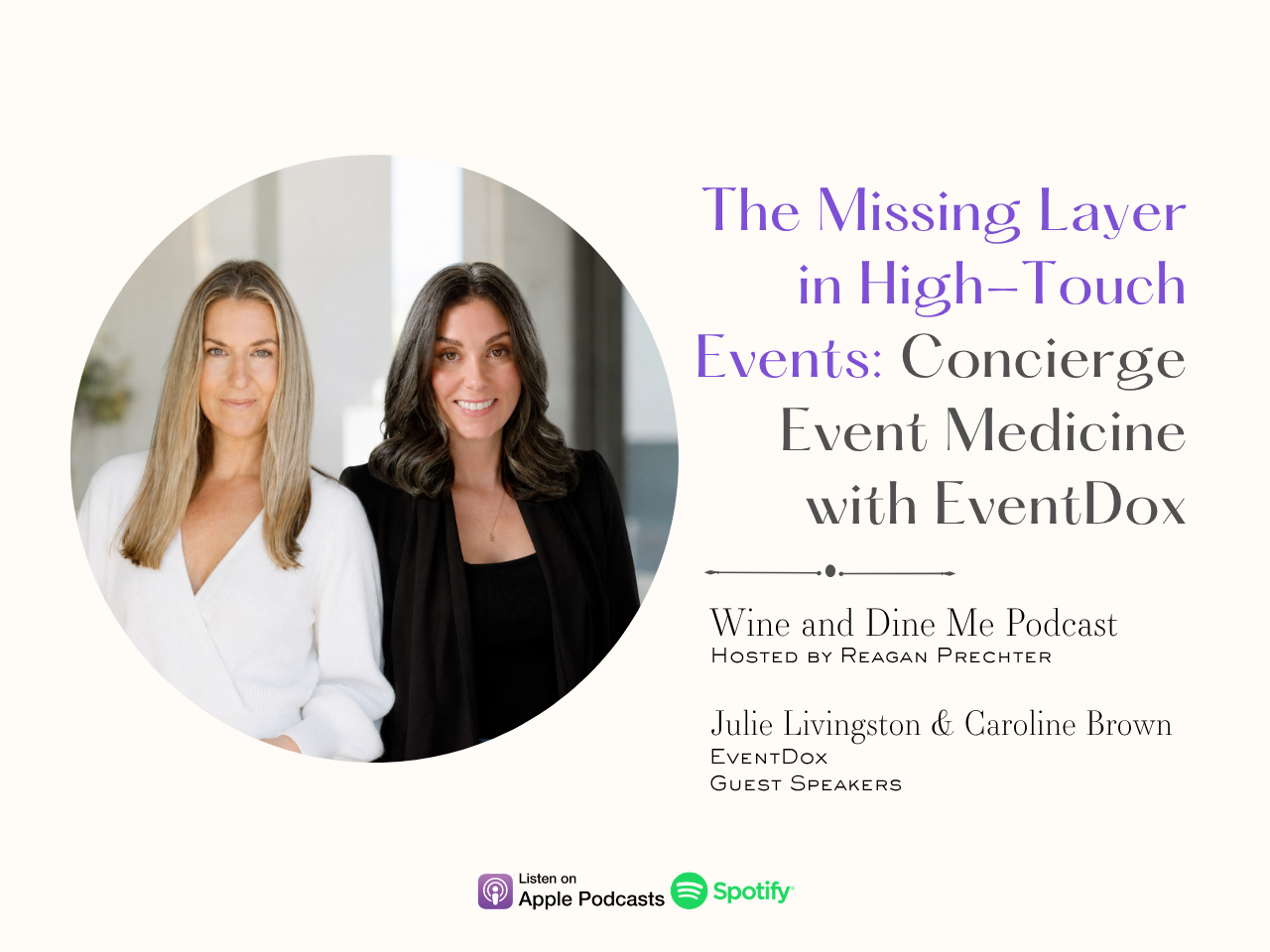
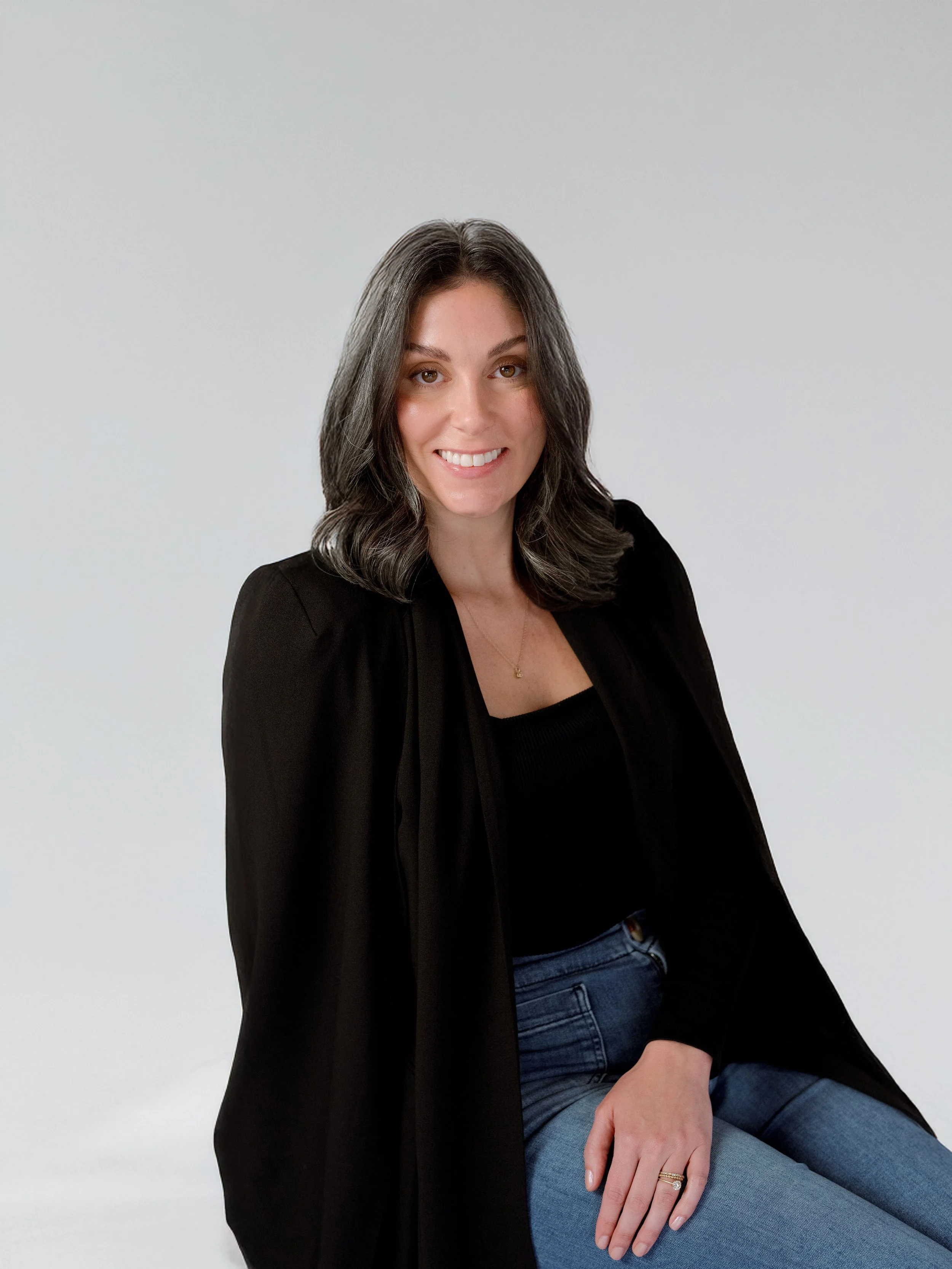
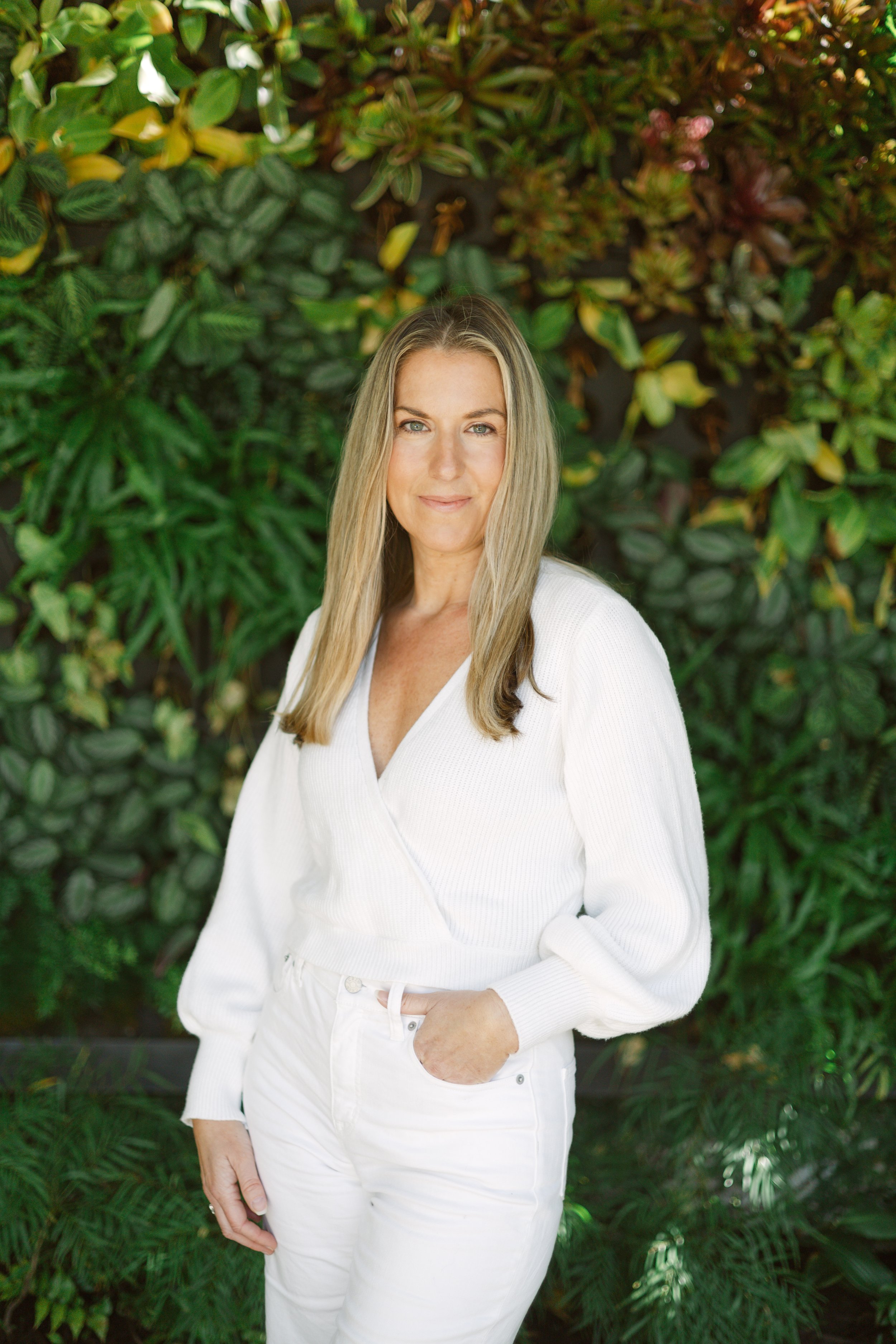
On this episode of The Wine and Dine Me Podcast, I sat down with Caroline Brown and Julie Livingston, co-founders of EventDox, a concierge event medicine service created for elevated weddings, private events, and gatherings where discretion, preparedness, and continuity matter.
Their work fills a gap that has existed for a long time in the event industry. Not emergency transport. Not a first aid tent. Not a well-meaning family member who happens to be a doctor and is trying to enjoy the wedding like everyone else.
EventDox is physician-led medical care, integrated into the event experience with the same thoughtfulness we expect from every other highly considered layer of a wedding weekend.
Listed to the full episode via Spotify or Apple Podcasts.
A hospitality company that does medicine
One of the clearest lines from our conversation came from Caroline, who described EventDox as “a hospitality company that does medicine.”
That distinction matters.
Most people hear on-site medical support and immediately picture a concert medic tent or an EMT team standing by in uniform with a bright orange bag. That has its place, of course. Large public events, concerts, and sporting events need visible emergency support. But a private estate wedding, a multi-day destination celebration, or an intimate weekend with high-profile guests requires a different kind of presence.
EventDox was created for environments where medical support needs to be capable, but not intrusive. Present, but not distracting. Prepared, but not alarming.
Their providers arrive in event attire, not obvious medical uniforms. They are trained to understand the pace, privacy, and production standards of sophisticated events. Depending on the planner’s preference, they may remain tucked away until needed, appear as part of the welcome materials, be available through a discreet contact number, or quietly observe during moments where a medically complex guest may need additional awareness.
That flexibility is important because every event has its own culture. Some hosts want guests to know the support is available. Others want the entire service to remain nearly invisible unless a need arises. In either case, the goal is the same: keep the guest cared for without turning the medical moment into the story of the night.
The space between a Band-Aid and an ambulance
As planners, we are trained to anticipate guest comfort in every visible way. We think about transportation, welcome gifts, dietary restrictions, weather, tenting, seating, temperature, restrooms, heel protectors, pashminas, late-night food, and the pace of the entire weekend.
Medical preparedness has often been treated differently. It has lived in the background as something we hope not to need.
But as Caroline pointed out during our conversation, there is a large space between a small “boo-boo” and a major emergency requiring hospital transport. That space is where many event-day medical moments actually happen.
Someone may need assessment, monitoring, prescription medication, stitches, an IV, help with nausea, support after a fall, or immediate care for an allergic reaction. An EMT can stabilize and transport, which is essential in certain emergencies. But EventDox’s model is different because their providers include nurse practitioners, physician assistants, and physicians with broader scopes of practice. That means they can assess, treat, prescribe, and administer certain medications on site when appropriate.
For private events, this changes the entire rhythm of care.
Instead of calling an ambulance as the default because no one on site is qualified to make a medical judgment, the planner has a professional medical partner already present. Instead of sending a guest away from the event unnecessarily, there may be an opportunity to treat the issue discreetly and allow the guest to return when appropriate. Instead of the band stopping, the family panicking, and the celebration shifting its center of gravity toward a crisis, the moment can be handled with calm authority.
That is not just medical care. That is guest experience.
Preparedness should not feel fear-based
One of the most interesting parts of this conversation was the way Caroline and Julie spoke about preparedness without making it feel dramatic.
No one wants to sell fear to a client. That is not how thoughtful planning works. But responsible planning does require us to look honestly at risk, especially when we are producing events with hundreds of guests, multiple generations, remote properties, tented environments, late nights, alcohol, heat, travel, and layered production schedules.
Some of the most beautiful properties are not close to a hospital. Some wedding weekends take place on private land, barrier islands, countryside estates, or historic venues where access can be complicated. Add in weather, transportation timing, elderly guests, complex medical histories, and vendor teams working long physical days, and the need becomes more obvious.
This is the same logic we already apply to security, insurance, weather contingency, transportation plans, and power backup. We prepare not because we expect something to go wrong, but because the standard of care requires us not to be surprised when real life enters the room.
A wedding may be beautiful, emotional, and highly designed. It is also a gathering of human beings. Human beings get dehydrated. They trip. They faint. They have allergies. They forget medication. They push themselves too hard. They celebrate a little too enthusiastically.
The strongest events are not the ones where nothing unpredictable happens. They are the ones where the right people are already in place when it does.
The liability conversation planners need to have
Julie made a point during our episode that every planner should hear.
Many planners keep Advil, allergy medicine, or other over-the-counter medications in their emergency kits. Many of us have been asked whether an assistant can help an elderly family member through the day. Some hosts assume a guest who is a doctor can simply step in if needed. Others may ask whether a friend who is a nurse can be hired casually to be “on call.”
On the surface, those solutions sound resourceful. In practice, they can create liability questions most planners are not equipped to manage.
Julie explained that EventDox was built as a medical practice with proper clinical oversight, licensed professionals, protocols, and malpractice insurance. Their team carries the medical responsibility rather than placing that burden on the planner, host, venue, or a family friend who may not be insured to practice in that environment.
That distinction is important.
A planner’s job is to lead the event, protect the experience, manage the vendor team, support the client, and hold the full production together. It is not to determine whether a guest needs medication, whether a symptom is dangerous, whether someone should go to the hospital, or whether a medical aide has the right credentials and coverage.
When we talk about high-touch service, we also have to talk about proper boundaries. Overextending into medical decision-making does not make a planner more helpful. It may make the situation more fragile.
True service means knowing what should be handled personally and what should be placed in the hands of a qualified professional.
Why this matters for private homes, venues, and destination events
EventDox is not only relevant for planners. It also matters for venues, private property owners, and families hosting events at home.
Private property weddings can be some of the most personal and meaningful events we produce. They can also carry additional complexity. The home was not built as an event venue. Access may be limited. Medical response times may vary. The property owner may feel a deeper sense of exposure because the event is happening quite literally on their land.
For venues, especially those serving sophisticated weddings, corporate events, and private celebrations, on-site medical support may become part of a broader conversation around risk management and guest care. Julie mentioned that some planners are already bringing EventDox into every event. Over time, it is not difficult to imagine this becoming a best-practice conversation in the same category as security, valet, restroom attendants, weather plans, transportation, and event insurance.
Not every guest will notice the presence of medical support. In many cases, that is the point.
But the family will feel the difference if something happens and there is a trained provider ready. The planner will feel it. The venue will feel it. The vendor team will feel it. The entire event has a different level of steadiness when the right support is already woven into the plan.
The human side of building something new
While this episode centered on event medicine, the conversation also moved into something more personal: what it looks like to build a business through real life.
Julie and Caroline both spoke candidly about difficult chapters. Julie talked about healing after a toxic relationship. Caroline shared her experience with postpartum anxiety and depression, and the importance of asking for help and using the tools available.
That honesty matters because entrepreneurship often gets flattened into polished launches, pretty branding, and impressive announcements. But most businesses are built by people carrying full lives. Women running companies are often also mothers, partners, caregivers, friends, and people navigating private challenges while publicly trying to lead with clarity.
Caroline said that once you have been through something hard and come out the other side, business challenges begin to feel “figure-outable.” That word may not be technical, but every entrepreneur understands it.
Julie echoed the same idea. Real life puts work in perspective. The hard parts of business are still hard, but they are not the whole picture. Family, health, connection, and the ability to be present with people matter more.
That perspective seems deeply connected to the way EventDox was built. This is a company designed around care, but not performative care. Practical care. Prepared care. Care that says: we have thought about this before you had to.
A new standard for guest experience
The event industry has spent years refining what guest experience means.
We talk about welcome moments, seamless transportation, layered design, thoughtful seating, attentive service, and personalized details. We care about how guests feel from the moment they receive the save-the-date to the moment they return home.
Concierge event medicine belongs in that conversation.
Not because every wedding needs to feel clinical. Quite the opposite. The best medical support at an event should protect the atmosphere, not interrupt it. It should allow the celebration to remain joyful, the family to remain present, and the planner to remain focused on leading the event rather than improvising medical care under pressure.
For planners, it is also a reminder that excellence is not only about what guests see. It is often about what has been quietly handled before anyone ever has to ask.
The future of high-end weddings and private events will not be defined only by what is beautiful. It will be defined by what is considered.
The guest with a medical history. The grandmother who needs an aide dressed appropriately and briefed on the timeline. The vendor working a long day in extreme heat. The pregnant bridesmaid. The host who wants peace of mind. The planner who knows that preparation is part of the service.
Those are the layers that separate a pretty event from a truly cared-for experience.
To learn more about EventDox, visit eventdox.com, explore their services, or learn more about how they support planners and venues. You can also follow them on Instagram or email their team at info@eventdox.com.
Listed to the full episode via Spotify or Apple Podcasts.